2239 S. Lamar Blvd. Austin, TX 78704


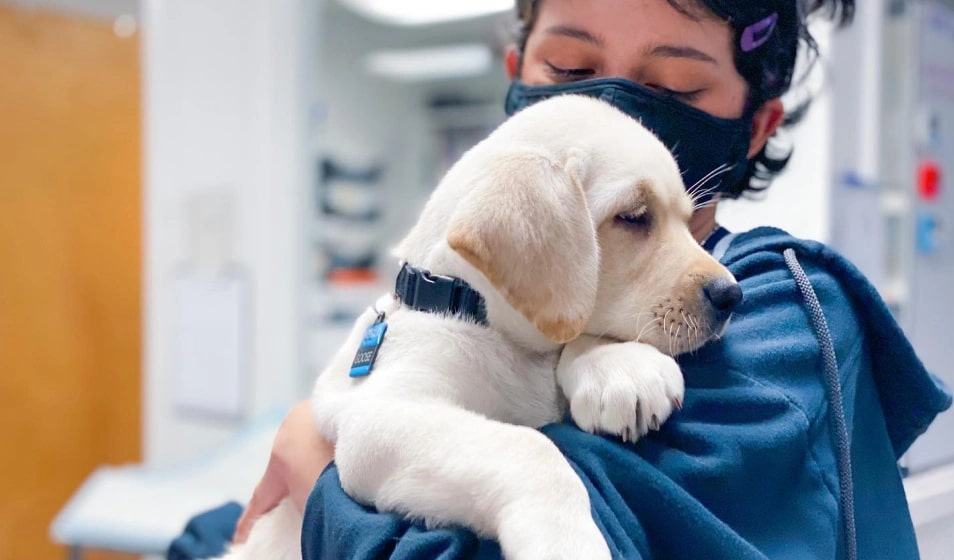
Welcoming a new puppy or kitten into your home is an exciting experience, but it also comes with important responsibilities. The first six months of life are critical for physical growth, behavioral development, and health foundation. Whether you’ve adopted a curious kitten or a playful pup, providing proper care during this stage sets the tone for a lifetime of wellness.
Below are essential tips to guide you through the early stages of puppy and kitten care.
1. Schedule the First Vet Visit Early
Your first step as a pet parent should be to schedule a veterinary appointment within the first few days of bringing your puppy or kitten home. Early check-ups are really important as they help spot any potential health issues. This way, the vet can put together a personalized care plan that suits your pet’s needs perfectly!
Typical veterinary services during early visits:
- General health examination
- Fecal test for parasites
- Vaccination schedule setup
- Microchipping discussion
2. Establish a Vaccination Timeline
Vaccinations are vital to protect young pets from potentially life-threatening diseases. Puppies and kittens usually start their vaccination journey when they’re about 6 to 8 weeks old. After that, they get booster shots every 3 to 4 weeks until they reach 16 weeks.
Common vaccinations include:
- Puppies: DHPP (Distemper, Hepatitis, Parainfluenza, Parvovirus), Rabies
- Kittens: FVRCP (Feline Viral Rhinotracheitis, Calicivirus, Panleukopenia), Rabies, FeLV (Feline Leukemia for at-risk kittens)
Keep a record of all vaccinations and ensure you follow up with scheduled booster shots.
3. Feed a Proper Diet for Growth
Young pets require a diet specifically formulated for growth. Feeding high-quality puppy or kitten food ensures they receive the right balance of nutrients, calories, and protein.
Feeding tips:
- Choose food labeled for puppies or kittens (not adult or senior)
- When it comes to feeding, try giving your puppies multiple small meals throughout the day—about 3 to 4 times. For kittens, aim for 4 to 5 meals at the start.
- Avoid raw diets or table scraps that can lead to nutritional imbalance
- Always provide access to clean, fresh water.
4. Start Parasite Prevention Early
Fleas, ticks, and intestinal worms can quickly affect young pets. Your vet may recommend a deworming schedule starting at 2–3 weeks of age and monthly flea/tick prevention from 6–8 weeks.
Ask your vet about:
- Deworming for roundworms, hookworms, and tapeworms
- Monthly heartworm prevention for puppies
- Flea and tick medications are appropriate for their age and weight
5. Begin Basic Training and Socialization
The earlier you begin training and socialization, the better. Puppies and kittens go through a socialization window (typically 3–14 weeks of age for puppies, 2–7 weeks for kittens) when they’re more receptive to new experiences.
For puppies:
- Begin with crate training and potty routines
- Introduce them to different people, environments, and sounds
- Start basic commands like “sit,” “stay,” and leash walking
For kittens:
- Handle them gently but frequently to build trust
- Encourage play with toys to develop hunting instincts
- Gradually introduce them to grooming, nail trimming, and carriers
Avoid negative reinforcement. Positive training methods are more effective and promote a trusting relationship.
6. Create a Safe and Stimulating Environment
Your home should be both a sanctuary and a place of exploration for your new pet. Remove hazards like electrical cords, small choking items, and toxic plants. Create a designated sleeping area with soft bedding and make sure food and water bowls are easily accessible.
Include:
- Chew toys or teething toys for puppies
- Scratching posts and climbing towers for kittens
- Interactive toys to stimulate mental activity
7. Monitor Growth and Behavior
Each pet grows at its own pace, but it’s important to monitor their weight, appetite, bathroom habits, and overall energy levels. Any signs of vomiting, diarrhea, excessive scratching, or lethargy should be reported to a vet promptly.
Red flags to watch for:
- Not gaining weight
- Persistent coughing or sneezing
- Refusing food or water
- Behavior changes or aggression
Early intervention is key to resolving minor issues before they become major health concerns.
8. Plan for Spaying or Neutering
By the age of 5–6 months, most puppies and kittens are ready for spaying or neutering. This helps reduce the risk of certain cancers, eliminates unwanted litter, and can prevent some behavioral issues.
Consult your veterinarian in Austin to determine the most appropriate time for spaying or neutering based on your pet’s breed, age, and overall health
Taking care of a puppy or kitten in their first six months is all about commitment, patience, and a bit of know-how.. From vaccinations to socialization, these early steps help ensure your furry companion grows into a healthy and well-adjusted adult. By staying proactive and working closely with your veterinarian, you’ll lay the groundwork for a happy and thriving pet life.