2239 S. Lamar Blvd. Austin, TX 78704



As responsible pet owners, we want to ensure our furry companions live long, healthy lives. One of the most effective ways to achieve this is through regular diagnostic tests. These tests provide critical insights into your pet’s overall health, often detecting issues long before symptoms become apparent. By prioritizing preventive diagnostics, you can address potential health problems early, saving both time and money, and more importantly, improving your pet’s quality of life.
Understanding Diagnostic Tests
Veterinary diagnostic tests encompass a wide range of procedures designed to assess your pet’s health. These include:
-
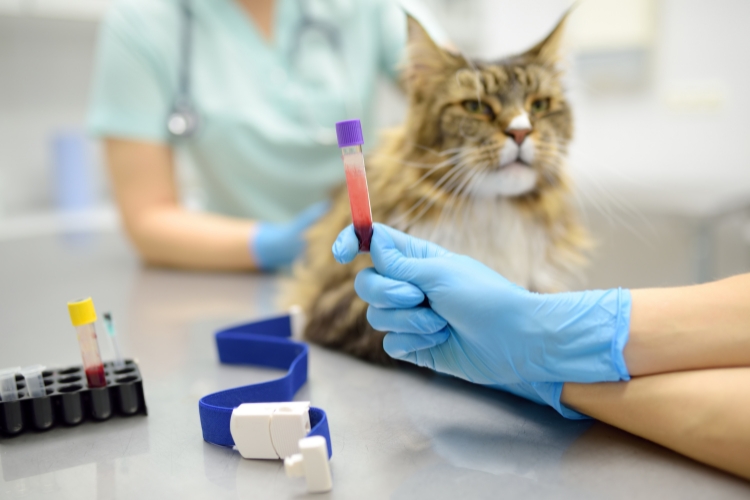
Blood Tests: Evaluate organ function, detect infections, and assess metabolic disorders.
-
Urinalysis: Provides information about kidney function, hydration, and urinary tract health.
-
Imaging Tests: X-rays, ultrasounds, and MRIs help visualize bones, organs, and internal structures.
-
Biopsies: Tissue samples can detect abnormal growths, such as tumors, and assist in accurate diagnosis.
By utilizing these tools, veterinarians gain a clearer understanding of your pet’s health, allowing them to make informed decisions about treatment or preventive care.
Detecting Health Issues Early
Many diseases in pets, including kidney disease, diabetes, heart conditions, and cancer, develop gradually and may remain unnoticed until advanced stages. Regular diagnostic tests help identify these conditions early, often before any symptoms are visible.
For example, routine blood work can reveal elevated kidney markers, prompting early intervention that may slow disease progression. Similarly, early detection of diabetes through glucose monitoring allows for timely insulin therapy, preventing complications and ensuring a better prognosis.
Supporting Preventive Health Care
Preventive care is always more effective than reactive treatment. Diagnostic tests complement routine wellness exams by providing detailed insight into your pet’s internal health. Through regular testing, veterinarians can:
-
Track changes in organ function over time
-
Detect nutritional deficiencies or metabolic imbalances
-
Monitor chronic conditions to adjust treatment plans
-
Recommend lifestyle or dietary changes tailored to your pet’s needs
This proactive approach reduces the likelihood of severe illness and extends your pet’s lifespan.
Common Health Conditions Caught Through Diagnostics
Veterinary diagnostic tests can uncover several chronic and potentially serious conditions in pets:
-
Kidney Disease: Blood and urine tests detect early kidney impairment.
-
Diabetes: Blood glucose testing identifies abnormal sugar levels for early treatment.
-
Heart Disease: Imaging tests reveal structural issues, including heart murmurs.
-
Thyroid Disorders: Blood tests detect hormonal imbalances, which can affect metabolism.
-
Cancer: Biopsies and imaging identify tumors, allowing prompt intervention.
Early diagnosis allows for timely treatment, often improving outcomes and reducing suffering.
Enhancing Treatment Effectiveness
When health issues are detected early through diagnostics, treatment becomes more effective. Veterinarians can develop precise treatment plans, monitor disease progression, and adjust interventions as needed. This ensures that your pet receives the most appropriate care at every stage of their condition.
Furthermore, early intervention often reduces the cost and complexity of treatment. For instance, managing diabetes in its early stages may prevent the development of secondary complications, such as kidney damage or vision loss.
How Often Should Pets Undergo Diagnostic Testing?
The frequency of diagnostic testing depends on your pet’s age, breed, and overall health. General recommendations include:
-
Annual Check-ups: For healthy adult pets, annual diagnostic testing helps catch emerging health issues.
-
Semi-Annual Check-ups: Senior pets or those with existing health conditions may benefit from more frequent testing.
-
Symptom-Driven Testing: If your pet shows unusual behavior, appetite changes, or other concerning signs, targeted tests can identify the underlying problem.
Your veterinarian can provide a personalized testing schedule based on your pet’s unique needs.
Regular diagnostic tests are a cornerstone of proactive pet care. By detecting diseases early, supporting preventive measures, and guiding effective treatments, these tests help ensure your pet lives a longer, healthier, and happier life. For pet owners seeking trusted pet diagnostic care in Austin, TX, consulting a local veterinarian ensures your companion receives the highest standard of preventive and diagnostic health services.
Frequently Asked Questions (FAQs)
Q1. What are veterinary diagnostic tests?
Ans. Veterinary diagnostic tests include blood work, urinalysis, imaging, and biopsies used to assess a pet’s health.
Q2. Why are regular diagnostic tests important?
Ans. They detect health issues early, prevent complications, and help maintain your pet’s long-term health.
Q3. How often should my pet undergo diagnostic testing?
Ans. Adult pets should have annual tests, while seniors or pets with chronic conditions may need semi-annual testing.
Q4. Can diagnostic tests prevent serious illnesses?
Ans. While not all conditions can be prevented, early detection often reduces severity and improves treatment outcomes.
Q5. Are diagnostic tests safe for pets?
Ans. Yes, veterinary diagnostics are generally safe and performed by trained professionals.
Q6. How do diagnostic tests help with chronic conditions?
Ans. Regular tests monitor disease progression, allow timely treatment adjustments, and improve overall management of chronic illnesses.