2239 S. Lamar Blvd. Austin, TX 78704


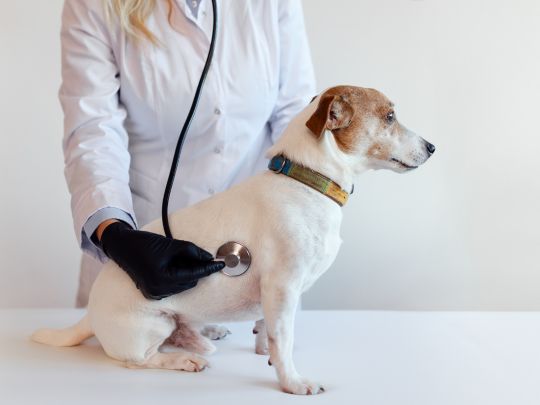
As a pet owner, you want to ensure your furry friend is happy, healthy, and thriving all year long. One of the best ways to achieve this is by sticking to a regular wellness schedule. Annual pet wellness exams are essential for monitoring your pet’s health and catching any potential issues early on. These check-ups not only involve vaccines but also comprehensive exams that keep your pet feeling their best.
Whether you’re a seasoned pet owner or a first-time pet parent, following a yearly wellness checklist will ensure that your pet stays protected and receives the best possible care. Here’s the ultimate annual pet wellness checklist, complete with vaccines, exams, and care tips to keep your pet in top shape.
1. Schedule Annual Pet Wellness Exams
The cornerstone of your pet’s yearly health plan is their annual wellness exam. During this exam, a veterinarian will perform a thorough health check, looking for any signs of illness or discomfort. This check-up is an opportunity for the vet to assess your pet’s overall health, including their weight, teeth, coat, and heart health. Regular wellness exams also help establish a baseline for your pet’s health, so any changes over the year can be detected early.
Start by scheduling the exam with your vet, and be sure to keep up with your pet’s vaccinations as well. These visits are typically scheduled once a year, but the exact timing may vary depending on your pet’s age, breed, and medical history.
2. Keep Up with Vaccinations
Vaccines are one of the most important aspects of your pet’s health and are typically part of their annual exam. They help protect your pet from a range of diseases, some of which can be fatal. Common vaccines for dogs include rabies, distemper, and parvovirus, while cats typically receive vaccines for rabies, feline distemper (FVRCP), and feline leukemia (FeLV).
If your pet is overdue for a vaccine, your veterinarian will recommend which vaccines to prioritize during their annual exam. Keep in mind that some vaccines need to be boosted annually, while others may be required every three years, depending on local laws and your pet’s lifestyle. Be sure to discuss your pet’s vaccination needs with your veterinarian during the visit.
3. Dental Health Care
Many pet owners overlook their pets’ dental health, but it is just as important as any other aspect of their care. Poor dental health can lead to tooth decay, gum disease, and even organ damage. During their annual exam, your veterinarian will check for signs of dental issues, such as plaque buildup, gum inflammation, or bad breath.
To maintain your pet’s dental health, be sure to incorporate regular tooth brushing into their routine. You can also ask your vet for professional dental cleanings, which should be done regularly depending on your pet’s needs. Using dental chews or toys can also help keep their teeth clean between check-ups.
4. Parasite Prevention
Parasites like fleas, ticks, and worms can cause a host of health problems for pets, from skin irritation to digestive issues. Regular parasite prevention is key to keeping your pet healthy and comfortable.
During the annual exam, your veterinarian will check your pet for any signs of parasites and recommend a prevention plan for the coming year. For dogs, this might include flea and tick preventatives, as well as heartworm prevention. Cats may require flea preventatives or deworming treatments depending on their lifestyle.
In addition to medication, make sure to keep your home and yard clean and free from pests. Regularly check your pet for signs of fleas or ticks, and immediately remove any pests you find to reduce the risk of illness.
5. Weight Management and Diet
Maintaining a healthy weight is crucial for your pet’s overall well-being. Obesity in pets can lead to joint problems, heart disease, diabetes, and other chronic conditions. During the wellness exam, your vet will assess your pet’s weight and body condition score to determine if they are at a healthy weight.
If your pet needs to lose weight, your vet will provide specific dietary recommendations and suggest an appropriate exercise plan. Regularly weighing your pet at home and adjusting their diet as needed will help keep them in optimal shape. If you notice any changes in your pet’s eating habits or activity level, it’s important to address these concerns with your vet during the annual check-up.
6. Grooming and Coat Care
Your pet’s coat provides valuable insights into their health. A shiny, soft coat generally indicates that your pet is in good health, while a dull, dry coat may suggest nutritional deficiencies or health issues. During the wellness exam, your veterinarian will check your pet’s coat, skin, and nails for any signs of problems.
Regular grooming is essential for maintaining your pet’s coat health. For dogs, brushing their fur weekly can help prevent matting and remove loose hair, while cats also benefit from regular brushing, especially long-haired breeds. Be sure to clean your pet’s ears, trim their nails, and keep their coat free from tangles.
7. Senior Pet Care Considerations
As your pet ages, they may require additional care and attention. Older pets are more prone to arthritis, dental issues, and organ diseases. During your pet’s annual exam, be sure to discuss any signs of aging, such as decreased energy, difficulty moving, or changes in behavior.
Your vet may recommend additional tests, such as blood work or joint evaluations, to monitor your pet’s health as they age. Senior pets may also benefit from dietary supplements, joint support, or specialized food tailored to their needs.
By following this ultimate annual pet wellness checklist, you’re ensuring that your pet stays healthy and happy throughout the year. From regular wellness exams to vaccinations and parasite prevention, these steps will keep your furry friend in top shape. Pet wellness exams in Austin, TX, are vital for your pet’s health, and by staying on top of your pet’s care, you’re giving them the best chance for a long, fulfilling life.
Don’t wait for a health issue to arise—schedule your pet’s annual exam today and ensure they get the care they deserve.
FAQs
Q1. Why are annual pet wellness exams important?
Ans. Annual pet wellness exams are crucial for detecting health issues early, ensuring your pet’s vaccinations are up-to-date, and maintaining their overall well-being.
Q2. What vaccines does my pet need annually?
Ans. Common annual vaccines for pets include rabies, distemper, parvovirus, and feline leukemia. Your vet will recommend which vaccines are necessary based on your pet’s lifestyle.
Q3. How can I keep my pet’s teeth healthy?
Ans. Brush your pet’s teeth regularly and schedule professional dental cleanings with your vet. Dental chews and toys can also help maintain their oral health.
Q4. What can I do to prevent parasites in my pet?
Ans. Preventative medications for fleas, ticks, and heartworms, along with regular checks, are key in keeping parasites at bay. Ask your vet for a personalized prevention plan.
Q5. How do I manage my pet’s weight?
Ans. Monitor your pet’s weight regularly, adjust their diet as recommended by your vet, and incorporate regular exercise into their routine to maintain a healthy weight.
Q6. What should I expect as my pet ages?
Ans. Older pets may need additional care, including joint support, blood work, or dietary changes. Regular exams and open communication with your vet can help manage their health.
