2239 S. Lamar Blvd. Austin, TX 78704


Cats are experts at hiding discomfort. In many cases, subtle behavior changes are the first indication that something may be wrong. Unfortunately, waiting too long to investigate these signs can allow underlying health problems to progress quietly. That is why paying attention to small physical or behavioral shifts matters so much for long-term feline wellness.
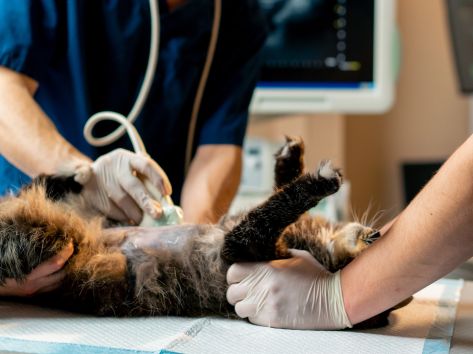
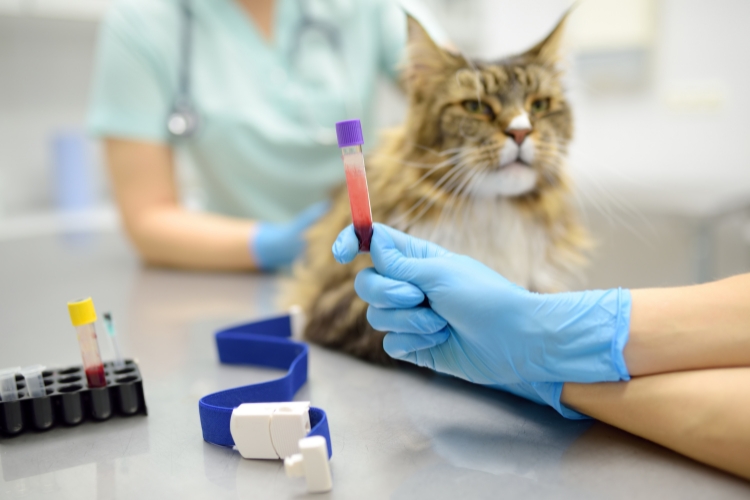
Diagnostic testing helps veterinarians uncover medical conditions before they become severe. Bloodwork, urinalysis, imaging, and other evaluations provide important insights into your cat’s internal health and help guide treatment decisions early. At Parker Animal Care, we encourage cat owners to recognize the warning signs that should never be ignored, especially for families caring for pets in Austin, TX.
Why Early Diagnostic Testing Matters for Cats
Cats often continue eating, sleeping, and behaving normally even while developing serious illnesses. Because of this, many conditions go unnoticed until symptoms become advanced. Early testing can help identify concerns involving the kidneys, liver, thyroid, digestive system, urinary tract, heart, or respiratory system before complications arise.
Routine wellness exams are important, but unusual changes between visits deserve attention too. Recognizing these signs early may improve your cat’s comfort, treatment options, and overall quality of life.
1. Sudden Changes in Appetite
A cat that suddenly stops eating or begins eating far more than usual may be experiencing an underlying medical issue. Appetite changes are commonly associated with:
- Kidney disease
- Dental pain
- Diabetes
- Hyperthyroidism
- Digestive disorders
Even mild appetite loss lasting more than a day should not be dismissed. Cats can develop serious complications when they avoid food for extended periods. Diagnostic testing helps determine whether the problem is behavioral or medical.
2. Unexplained Weight Loss or Weight Gain
Weight changes are often gradual, making them difficult to notice immediately. However, unexplained weight loss frequently signals illness in cats. In some cases, the cat may still appear to eat normally while losing body condition.
Common causes include:
- Thyroid disease
- Diabetes
- Cancer
- Intestinal disorders
- Chronic infections
On the other hand, sudden weight gain may point toward hormonal changes or fluid retention. Your veterinarian may recommend bloodwork, imaging, or specialized screenings to identify the underlying cause.
3. Increased Thirst or Frequent Urination
If you find yourself refilling the water bowl more often, it may indicate a medical concern. Increased drinking and urination are among the most common early warning signs of internal disease in cats.
These symptoms may be linked to:
- Kidney disease
- Diabetes mellitus
- Urinary tract disorders
- Hormonal imbalances
Many cat owners first notice larger urine clumps in the litter box. Because urinary issues can progress quickly, prompt evaluation is important. Comprehensive cat diagnostic care may include urinalysis, blood testing, and imaging studies to assess organ function.
4. Vomiting More Than Occasionally
An occasional hairball may not be alarming, but repeated vomiting is never considered normal. Frequent vomiting can signal gastrointestinal irritation, food intolerance, intestinal blockage, or chronic disease.
Watch for patterns such as:
- Vomiting several times per week
- Loss of appetite after vomiting
- Weight loss
- Lethargy
- Diarrhea alongside vomiting
Diagnostic testing helps determine whether the issue involves digestion, organ disease, inflammation, or toxic exposure.
5. Difficulty Breathing or Persistent Coughing
Breathing changes should always be taken seriously in cats. Open-mouth breathing, wheezing, rapid breathing, or persistent coughing may indicate a serious condition requiring immediate attention.
Possible causes include:
- Asthma
- Heart disease
- Respiratory infections
- Fluid buildup in the chest
- Allergic reactions
Your veterinarian may recommend chest X-rays, bloodwork, or oxygen monitoring to evaluate respiratory health safely.
6. Changes in Litter Box Habits
Cats are naturally clean animals, so changes in litter box behavior often indicate discomfort or illness. Straining, urinating outside the litter box, or frequent trips to the box can point toward urinary or digestive problems.
Potential concerns include:
- Urinary tract infections
- Bladder stones
- Constipation
- Kidney disease
- Stress-related conditions
Male cats, in particular, can develop dangerous urinary blockages. Early veterinary evaluation is critical when litter box habits suddenly change.
7. Low Energy or Unusual Hiding
Cats sleep frequently, but excessive lethargy or isolation may signal pain or illness. A cat that suddenly avoids interaction, hides constantly, or loses interest in activities may need medical evaluation.
Underlying causes may include:
- Fever
- Arthritis
- Infection
- Organ disease
- Chronic pain
Diagnostic testing can help identify conditions that may not be obvious during a physical examination alone.
8. Bad Breath or Difficulty Eating
Persistent bad breath is often more than a dental issue. Oral infections, tooth damage, and internal diseases can all contribute to foul odors from the mouth.
You may also notice:
- Drooling
- Pawing at the mouth
- Trouble chewing
- Food dropping from the mouth
- Swollen gums
Dental disease is extremely common in cats and can affect overall health if left untreated. Testing and oral evaluations help determine the extent of infection or inflammation.
9. Skin Problems or Excessive Grooming
Cats naturally groom themselves, but excessive licking, scratching, or hair loss may indicate allergies, parasites, infections, or stress-related conditions.
Watch for:
- Bald patches
- Red or irritated skin
- Scabs
- Frequent scratching
- Changes in coat quality
Skin conditions can sometimes reflect internal health concerns as well. Diagnostic evaluations may include skin testing, bloodwork, or allergy assessments to identify the root cause.
10. Behavioral Changes or Confusion
Behavioral shifts are sometimes the earliest sign of illness in aging cats. Confusion, pacing, nighttime vocalization, aggression, or sudden anxiety may indicate medical or neurological concerns.
Possible causes include:
- High blood pressure
- Thyroid disease
- Cognitive dysfunction
- Pain
- Neurological disorders
Behavior changes should not automatically be dismissed as aging. Early evaluation may help improve your cat’s comfort and daily life significantly.
What Happens During Diagnostic Testing?
Veterinary diagnostic testing is designed to gather important information about your cat’s internal health. Depending on symptoms, your veterinarian may recommend:
- Blood chemistry panels
- Complete blood counts
- Urinalysis
- Fecal testing
- Digital X-rays
- Ultrasound imaging
- Blood pressure monitoring
- Thyroid screening
These tools allow veterinarians to detect diseases early, monitor chronic conditions, and create targeted treatment plans.
How Often Should Cats Receive Diagnostic Testing?
The frequency of testing depends on your cat’s age, lifestyle, and medical history. Senior cats generally benefit from more frequent screenings because age-related diseases can develop gradually without obvious symptoms.
Routine testing may help detect conditions before they cause severe complications. Preventive evaluations are especially valuable for cats with:
- Previous health conditions
- Chronic medication use
- Weight changes
- Kidney concerns
- Thyroid disease history
Comprehensive cat diagnostic care helps veterinarians track changes over time and support better long-term health outcomes.
Supporting Your Cat’s Long-Term Health
Cats depend on their owners to notice subtle changes that may indicate illness. Paying attention to appetite, energy levels, litter box habits, and behavior can make a meaningful difference in early disease detection.
Regular veterinary visits combined with timely diagnostic testing help protect your cat’s comfort and quality of life. Early intervention often leads to simpler treatment plans and better outcomes.
Helping Your Cat Feel Their Best
Your cat cannot explain when something feels wrong, which is why early recognition matters. Even small changes may point toward larger health concerns developing beneath the surface. Diagnostic testing gives veterinarians the information needed to identify problems sooner and provide appropriate care before conditions worsen.
If you’re in Austin and looking for cat diagnostic care near you, schedule an appointment with Parker Animal Care. Our veterinary team is committed to helping cats stay healthy through thorough evaluations, advanced diagnostic tools, and compassionate care designed around your pet’s individual needs.
FAQs
1. When should I schedule diagnostic testing for my cat?
If your cat starts eating less, hiding more often, vomiting frequently, or showing litter box changes, it is time to schedule an evaluation. At Parker Animal Care, we use advanced diagnostic tools to identify health concerns early and help your cat feel better sooner. Book an appointment if symptoms continue for more than a day or two.
2. How can Parker Animal Care help detect health problems early?
Our veterinary team performs thorough examinations and diagnostic testing to uncover conditions that may not be visible during a routine checkup. We are here to help detect issues early, explain findings clearly, and create a treatment plan that supports your cat’s long-term health and comfort.
3. Does my indoor cat still need diagnostic testing?
Yes. Indoor cats can still develop kidney disease, thyroid disorders, diabetes, dental infections, and urinary problems. Routine testing helps identify these conditions before they become severe. Parker Animal Care recommends regular screenings to help indoor cats stay healthy throughout every stage of life.
4. What types of tests are commonly recommended for cats?
Depending on your cat’s symptoms, veterinarians may recommend bloodwork, urinalysis, fecal exams, digital X-rays, or ultrasound imaging. These tests provide valuable information about organ function and overall health. Book an appointment at Parker Animal Care if your cat is showing unusual symptoms or behavioral changes.
5. Can diagnostic testing help older cats live healthier lives?
Yes. Senior cats are more likely to develop age-related illnesses that progress quietly over time. Diagnostic testing helps monitor internal health and detect conditions earlier. We are here to help aging cats receive the attention and medical support they need to maintain a better quality of life.
6. Why is my cat acting differently even though they look healthy?
Cats naturally hide pain and discomfort, so behavior changes are often the first warning sign of illness. Increased sleeping, reduced activity, hiding, or mood changes may indicate underlying medical concerns. Parker Animal Care can help determine the cause and guide you toward the right care for your cat.