2239 S. Lamar Blvd. Austin, TX 78704


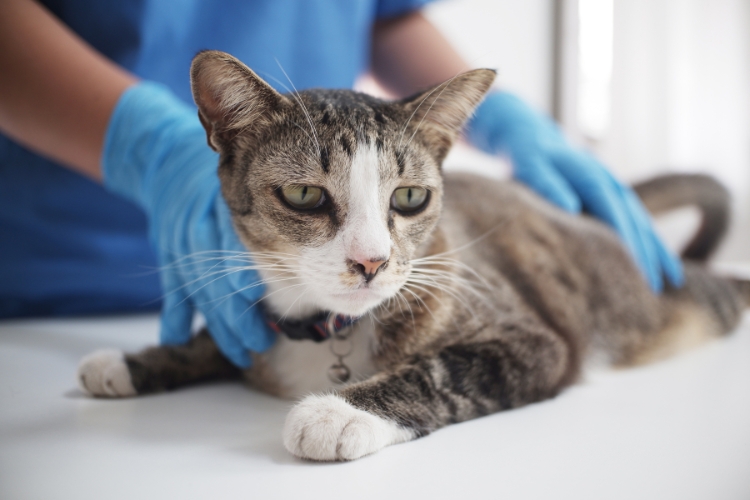
Pet owners know that animals cannot explain when something feels wrong. Instead, they communicate through changes in behavior, appetite, movement, breathing, and energy. While some symptoms may resolve with routine care, others can indicate a problem that requires prompt veterinary attention. Recognizing these warning signs can help you respond quickly and potentially prevent a manageable condition from becoming more serious.
Knowing when to seek veterinary help is an important part of responsible pet ownership. A sudden change in your pet’s health can happen at any time, whether after an injury, during an illness, or without an obvious cause. Therefore, learning the signs that deserve prompt attention can give you greater confidence when making healthcare decisions. This guide is especially useful for pet owners in Austin who want to know when their companion may need timely veterinary evaluation.
Urgent Pet Care Starts With Recognizing Important Warning Signs
Urgent pet care becomes important when your pet develops a sudden or concerning health problem that should not wait for a routine appointment. Although every situation is different, certain symptoms deserve immediate attention from a veterinary professional.
When in doubt, contact your veterinary team and explain what you are seeing. A veterinary professional can help you determine how quickly your pet needs to be evaluated.
Below are ten warning signs that should never be ignored.
1. Difficulty Breathing
Breathing problems can become serious quickly. A healthy pet should generally breathe comfortably without excessive effort.
Watch for signs such as:
- Rapid or labored breathing
- Open-mouth breathing when it is not normal for your pet
- Excessive abdominal movement while breathing
- Wheezing or unusual respiratory sounds
- Blue, gray, or pale gums
- Stretching the neck to breathe
- Sudden inability to settle comfortably
Cats deserve particular attention because they may hide respiratory problems until they become significant.
If your pet struggles to breathe, do not wait to see whether the problem disappears. Contact a veterinary professional promptly and follow their instructions.
2. Severe or Persistent Vomiting
Occasional vomiting can happen for many reasons. However, repeated or severe vomiting may signal a more serious problem.
Seek prompt veterinary attention if your pet:
- Vomits repeatedly
- Cannot keep water down
- Has blood in the vomit
- Becomes weak or unusually tired
- Develops abdominal discomfort
- Has a swollen or painful abdomen
- May have swallowed a foreign object
Vomiting can result from dietary indiscretion, gastrointestinal irritation, obstruction, poisoning, infection, or other conditions. Because the underlying causes vary, your veterinarian may need to perform an examination and diagnostic testing.
3. Sudden Collapse or Extreme Weakness
A pet that suddenly collapses, cannot stand normally, or becomes extremely weak requires prompt evaluation.
Collapse can have many possible causes, including cardiovascular problems, blood loss, metabolic disorders, severe illness, heat-related conditions, or other emergencies.
Even if your pet appears to recover after collapsing, do not assume everything is fine. Some serious conditions can cause temporary improvement before symptoms return.
Keep your pet as calm and comfortable as possible while contacting your veterinary team for guidance.
4. Serious Injuries or Heavy Bleeding
Accidents can happen quickly. Pets may suffer injuries from falls, vehicle accidents, fights, bites, or other traumatic events.
Visible wounds should be evaluated when they are deep, contaminated, painful, or associated with significant bleeding. Heavy bleeding requires particularly prompt attention.
Other concerning injury signs include:
- Inability to walk normally
- Severe swelling
- Obvious deformity
- Extreme pain
- Difficulty breathing after trauma
- Loss of consciousness
- Significant wounds
- Bleeding that does not stop with gentle pressure
Even when an injury appears minor from the outside, internal damage may not be immediately visible. Therefore, veterinary evaluation can be important after significant trauma.
5. Seizures or Sudden Neurological Changes
A seizure can be frightening to witness. Your pet may fall over, stiffen, paddle their legs, drool, lose awareness, or make unusual movements.
Afterward, they may seem confused, tired, restless, or disoriented.
If your pet experiences a seizure for the first time, contact your veterinary team promptly. Repeated seizures, prolonged seizures, or multiple seizures close together require particularly urgent attention.
Other sudden neurological changes can include:
- Trouble walking
- Loss of balance
- Head tilting
- Sudden weakness
- Unusual eye movements
- Disorientation
- Sudden inability to use a limb
Do not place your hands near your pet’s mouth during a seizure. Instead, move nearby objects away to reduce the risk of injury and contact a veterinary professional for instructions.
6. Difficulty Urinating
Changes in urination can indicate a potentially serious urinary problem.
If your pet repeatedly attempts to urinate but produces little or no urine, seek veterinary attention promptly. This is particularly important in male cats, which can develop urinary obstruction.
Other warning signs include:
- Straining to urinate
- Frequent attempts to urinate
- Crying while urinating
- Blood in the urine
- Excessive licking of the genital area
- Restlessness
- Sudden changes in bathroom habits
A urinary blockage can become life-threatening, so do not wait for symptoms to resolve on their own.
7. Severe Abdominal Pain or Swelling
A painful or swollen abdomen can have several causes, some of which require rapid treatment.
Your pet may show abdominal discomfort by pacing, repeatedly changing positions, refusing food, vocalizing, hiding, or reacting when their abdomen is touched.
A visibly distended abdomen combined with weakness, repeated vomiting, or attempts to vomit without producing anything can be particularly concerning.
Because abdominal problems can progress quickly, contact your veterinary team when your pet develops significant or sudden abdominal symptoms.
8. Sudden Eye Problems
Eye problems deserve prompt attention because certain conditions can threaten vision.
Watch for:
- Sudden redness
- Cloudiness
- Swelling
- Squinting
- Persistent pawing at the eye
- Discharge
- Visible injury
- Sudden changes in vision
- One eye appearing different from the other
Do not use human eye medications unless a veterinarian specifically recommends them. Different eye conditions require different treatments, and inappropriate medication can sometimes make a problem worse.
If your pet suddenly develops an eye abnormality, prompt veterinary evaluation can help protect comfort and vision.
9. Suspected Poisoning or Toxin Exposure
Pets are naturally curious, and they may ingest substances that are unsafe for them. Potential hazards can include certain human medications, household chemicals, toxic plants, foods, and other substances.
If you suspect your pet has swallowed something dangerous, do not wait for symptoms to appear.
Depending on the substance and amount involved, signs of poisoning may include:
- Vomiting
- Drooling
- Tremors
- Weakness
- Seizures
- Difficulty breathing
- Changes in behavior
- Loss of coordination
Do not induce vomiting unless a veterinary professional specifically instructs you to do so. Some substances can cause additional injury when brought back up.
If possible, have the product packaging or substance information available when contacting your veterinary team.
10. Sudden Changes in Behavior or Responsiveness
You know your pet’s normal personality better than anyone. Therefore, a sudden and significant change can provide an important health clue.
Concerning changes may include:
- Extreme lethargy
- Sudden confusion
- Unresponsiveness
- Persistent hiding
- Sudden aggression when touched
- Inability to settle
- Refusal to move
- Sudden loss of interest in normal activities
Behavioral changes do not always indicate an emergency, but a sudden and severe change should not be dismissed. Pain, neurological conditions, metabolic problems, injury, and other medical issues can affect behavior.
When your pet seems noticeably different from normal, contacting your veterinarian can help determine the appropriate next step.
What Should You Do When Your Pet Shows a Warning Sign?
First, remain calm. Your pet may become more anxious if you appear frightened or upset.
Next, assess the situation without putting yourself or your pet at additional risk. Observe breathing, responsiveness, movement, and other obvious symptoms.
Then, contact your veterinary team and describe what happened. Explain when the symptoms started, whether they are getting worse, and anything your pet may have eaten, injured themselves on, or been exposed to.
Avoid giving medications without veterinary guidance. Human medications can be dangerous for pets, and the wrong treatment can delay appropriate care.
Why Acting Quickly Can Matter
Some medical problems become more difficult to treat when care is delayed. Prompt veterinary assessment allows your veterinary team to identify potential problems earlier and determine an appropriate treatment plan.
For example, a pet with difficulty urinating may require immediate intervention, while a pet with a minor digestive upset may need monitoring and supportive care.
Because symptoms can overlap between minor and serious conditions, it is not always possible to determine the severity of a problem at home. Veterinary evaluation provides a safer way to make that distinction.
How Parker Animal Care Can Help
When your pet develops a sudden health concern, knowing where to turn can make a stressful situation easier to manage. Parker Animal Care provides veterinary services for pets experiencing health problems that require timely attention.
The veterinary team can evaluate your pet’s symptoms, perform an appropriate examination, and determine whether diagnostic testing or treatment is needed. Depending on the situation, care may include supportive treatment, medication, diagnostics, wound management, or other appropriate veterinary services.
Pet owners can also benefit from discussing warning signs with their veterinary team before a problem occurs. Having a plan in place can help you act more confidently when your pet suddenly becomes ill or injured.
Preventive Visits Can Help You Recognize Changes
Although urgent problems cannot always be prevented, routine veterinary visits remain an important part of your pet’s overall health.
Regular examinations allow your veterinarian to establish a baseline for your pet’s normal health. They can also provide opportunities to discuss nutrition, vaccinations, parasite prevention, dental health, weight management, behavior, and other preventive needs.
Furthermore, routine visits help you become familiar with your pet’s normal weight, breathing, appetite, activity level, and behavior. This knowledge can make it easier to recognize when something changes.
Prepare for Unexpected Health Problems
You cannot predict every illness or injury. However, preparation can help you respond more effectively.
Keep your veterinary clinic’s contact information readily available. Store medications and household chemicals safely, keep potentially toxic foods away from pets, and regularly inspect your home and yard for hazards.
It can also help to know your pet’s current medications, medical history, allergies, and vaccination status. If an unexpected health problem occurs, having this information available can help your veterinary team make informed decisions.
Pets often communicate health problems through subtle or sudden changes rather than words. Difficulty breathing, repeated vomiting, collapse, serious injuries, seizures, urinary problems, abdominal pain, eye changes, toxin exposure, and unusual behavior can all signal the need for prompt veterinary attention.
You know your pet’s normal habits best. Therefore, trust your observations when something seems significantly different. When you are unsure whether a symptom requires immediate attention, contacting your veterinary team is a safer choice than waiting for the problem to worsen.
If your pet develops a sudden illness, injury, or concerning change, schedule an appointment with Parker Animal Care. Our veterinary team can evaluate your companion and help determine the most appropriate next step toward getting them comfortable and back to their normal routine.
Frequently Asked Questions
1. What signs mean my pet needs urgent veterinary attention?
Difficulty breathing, collapse, severe bleeding, repeated vomiting, seizures, inability to urinate, serious injuries, suspected poisoning, severe abdominal pain, and sudden neurological or behavioral changes can require prompt veterinary evaluation.
2. Should I wait to see if my pet’s symptoms improve?
It depends on the symptoms. Mild issues may sometimes be monitored, but serious or rapidly worsening signs should not be ignored. Contact your veterinary team and explain what you are observing so they can recommend the appropriate level of care.
3. What should I do if my pet may have eaten something toxic?
Contact a veterinary professional promptly. Do not induce vomiting or give home remedies unless a veterinarian specifically instructs you to do so. Keep the product packaging or substance information available if possible.
4. Can Parker Animal Care help when my pet suddenly becomes sick?
Yes. Parker Animal Care can evaluate pets experiencing sudden illnesses, injuries, and other concerning symptoms. The veterinary team can assess your pet and recommend appropriate diagnostic or treatment options based on their condition.
5. Why should I choose Parker Animal Care for my pet’s veterinary needs?
Parker Animal Care focuses on providing compassionate veterinary care while helping pet owners understand their companion’s health needs. The team can evaluate concerning symptoms and guide you toward appropriate treatment and follow-up care.
6. What should I do if I am unsure whether my pet needs urgent care?
When you are unsure, contact your veterinary team and describe your pet’s symptoms, how quickly they developed, and whether they are getting worse. A veterinary professional can help you determine the most appropriate next step.