2239 S. Lamar Blvd. Austin, TX 78704


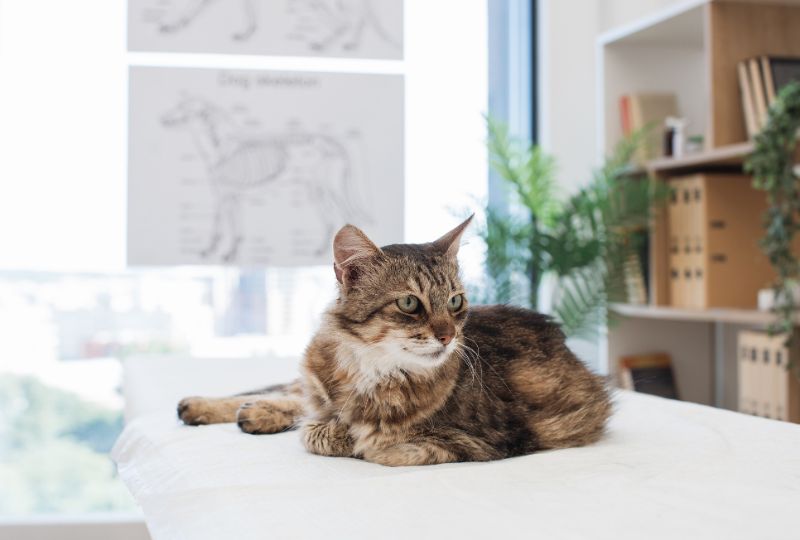
Seasonal changes can influence your pet’s daily routine, outdoor exposure, nutrition, and overall wellness. In Austin, pets may experience different environmental conditions throughout the year, making it important to keep preventive health needs in mind as the seasons change.
While your pet’s basic healthcare routine should remain consistent, certain seasonal factors may affect parasite exposure, vaccination considerations, activity levels, and nutrition. Staying proactive can help you recognize changing needs early and keep your companion on track for long-term wellness.
Why Seasonal Changes Matter for Pet Health
Pet preventative care is not something that should happen only when your pet becomes sick. Regular wellness exams help veterinarians identify potential concerns early, when they may be easier to address. We recommend annual wellness exams for healthy pets, while adolescent pets, senior pets, or pets with health conditions may require more frequent visits based on their individual needs.
Seasonal changes provide a useful reminder to review your pet’s overall health routine. Changes in outdoor activity, exposure to other animals, travel, boarding, and time spent outside can all influence your pet’s healthcare needs. Rather than following the same plan for every animal, veterinary care should take into account your pet’s lifestyle, age, and risk of exposure.
Parasite Prevention May Need Extra Attention
Parasite protection is an important part of pet preventative care, particularly for pets that spend time outdoors. Fleas, ticks, heartworms, and intestinal parasites can affect dogs and cats, and some parasites can also pose risks to people. Our veterinary team helps pet owners select preventive treatments according to their pet’s lifestyle and exposure risk.
For Austin pets, outdoor exposure can make parasite prevention especially important. The practice notes that heartworms are spread by mosquitoes and that heartworm infection can be life-threatening. Fleas can cause itchy bites and may infest pets, homes, and yards, while ticks can transmit disease. Routine preventive medication and appropriate testing can therefore be important parts of your pet’s healthcare plan.
Seasonal changes are also a good time to check whether your pet’s current parasite-prevention routine is still appropriate. If your dog begins spending more time outdoors, for example, your veterinarian may consider the increased exposure when recommending preventive care. Never assume that a preventive product or schedule is appropriate for every pet; your veterinarian can help determine what best fits your companion.
Review Vaccinations Based on Lifestyle and Exposure
Vaccinations are another important part of preventive wellness. However, not every pet has exactly the same vaccination needs. Our veterinary team helps determine appropriate vaccinations based on each pet’s lifestyle and risk of exposure.
Changes in routine can sometimes change those risks. A dog that begins attending boarding facilities, for example, may have different vaccination considerations than a dog that rarely encounters other animals. Travel can also influence vaccination requirements, particularly when a pet is traveling to another destination.
For dogs, the practice lists DHPP and rabies as core vaccinations and identifies Bordetella, canine influenza, and leptospirosis as vaccines that may be recommended depending on lifestyle. For cats, FVRCP and rabies are listed as core vaccinations, while feline leukemia vaccination may be considered according to lifestyle. Your veterinarian can help determine which vaccines are appropriate rather than relying on a one-size-fits-all schedule.
Keep Wellness Exams on Schedule
A change in season should not replace your pet’s regular wellness appointment. Instead, it can serve as a reminder to make sure your pet’s preventative care stays on track.
During a wellness exam, veterinarians evaluate several aspects of your pet’s health. A yearly fecal test is also recommended to check for internal parasites and healthy digestion.
Regular examinations can be particularly valuable when seasonal changes make subtle problems easier to overlook. If you notice changes in your pet’s eating habits, sleeping patterns, behavior, or general demeanor, the practice recommends scheduling a sick visit rather than waiting for the next routine appointment.
Adjust Nutrition and Weight Management as Needed
Seasonal changes can also affect how active your pet is. Some pets may spend more time indoors during certain weather conditions, while others may become more active when outdoor conditions are comfortable. Changes in activity can make it useful to review feeding habits and weight-management goals with your veterinarian.
Nutrition is an important part of preventive wellness. Parker Animal Care provides customized nutrition guidance and realistic weight-management strategies based on individual needs. Its veterinary team can help select appropriate food while considering factors such as age, size, breed, and current health status.
Rather than making major dietary changes simply because a new season has arrived, watch your pet’s routine and discuss meaningful changes with your veterinary team. Keeping feeding portions consistent with professional recommendations and maintaining appropriate activity can support overall wellness throughout the year.
Don’t Forget Identification
Seasonal changes can sometimes mean changes in routine, including travel, outdoor activities, or visits to unfamiliar places. Keeping your pet properly identified is therefore another sensible part of year-round preventive planning.
Our veterinary practice offers permanent microchipping as part of its preventive services. The practice explains that a microchip provides a permanent form of identification and recommends keeping contact information updated in the associated database. It also advises that pets should continue to wear identification tags even when they have a microchip.
A seasonal check of your pet’s identification information is simple: make sure your phone number and other contact details are current, especially if your information has changed.
Build a Year-Round Preventive Routine
The goal of preventive care is not to create a completely different healthcare routine for every season. Instead, seasonal changes can remind pet owners to review the factors that influence their animal’s individual needs.
A practical year-round approach includes keeping wellness exams on schedule, following a veterinarian-recommended vaccination plan, maintaining appropriate parasite prevention, reviewing nutrition and weight management, and keeping identification information current. These steps work together to support your pet’s health through different stages of life.
For Austin pet owners, personalized care can make seasonal planning simpler. The right approach depends on your pet’s age, lifestyle, health status, and exposure risks, not simply the time of year. By staying observant and maintaining regular veterinary care, you can respond to changes while keeping your pet’s long-term wellness at the center of every decision.
Seasonal changes are a natural part of life, but your pet’s preventive healthcare should remain a year-round priority. If you have questions about wellness exams, vaccinations, parasite prevention, nutrition, weight management, or microchipping, contact Parker Animal Care to discuss your pet’s individual needs and keep their preventive care on track.
Call 512-448-2676 or book online.
Frequently Asked Questions
- Does my pet need different preventive care in every season?
Not necessarily. Your pet should maintain a consistent preventive-care routine, but lifestyle and exposure can change throughout the year. Your veterinarian can adjust recommendations based on factors such as outdoor activity, travel, boarding, age, and health status.
- Is parasite prevention important for indoor pets?
Indoor pets can still be exposed to parasites, although their individual risk may differ. Parker Animal Care recommends choosing parasite prevention according to each pet’s lifestyle and risk of exposure.
- Should my pet’s vaccinations change when the seasons change?
Vaccination needs are not simply determined by the season. They are based on factors including your pet’s lifestyle and risk of exposure. Your veterinary team can help determine which vaccinations are appropriate.
- How often should my pet have a wellness exam?
Healthy animals should have annual wellness exams. Adolescent and senior pets, as well as pets with certain health conditions, may need more frequent checkups based on their individual needs.
- Can seasonal activity affect my pet’s nutrition?
Changes in activity can be a reason to review your pet’s nutrition and weight-management plan. Your veterinarian can provide customized guidance based on your pet’s age, size, breed, and health status.
- What should I do if I notice a seasonal change in my pet’s behavior?
If your pet develops a noticeable change in demeanor, sleeping patterns, eating habits, or shows signs of pain, contact your veterinarian rather than waiting for the next routine appointment.