2239 S. Lamar Blvd. Austin, TX 78704


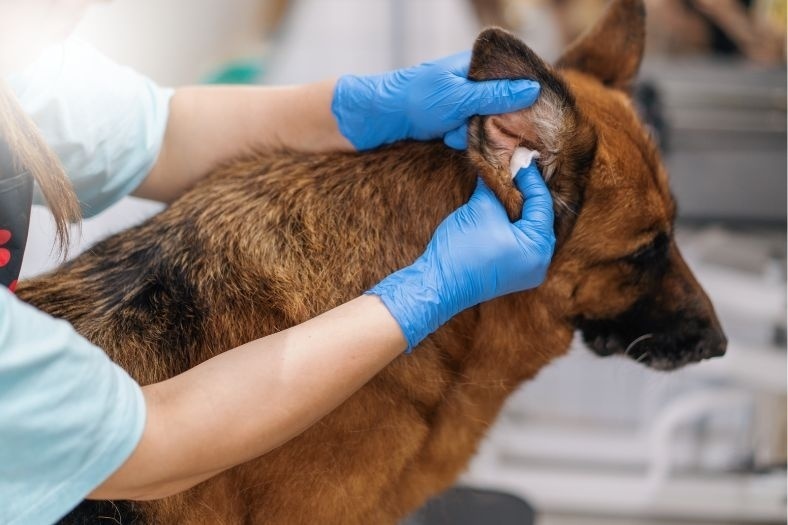
An occasional ear scratch may not seem concerning, but repeated itching, head shaking, or an unpleasant odor can point to a problem that needs attention. When these signs keep returning despite previous treatment, it is important to look beyond temporary relief. Recognizing when urgent vet care is appropriate can help prevent ongoing discomfort and protect your dog’s ear health.
Persistent ear infections may involve bacteria, yeast, allergies, or changes within the ear canal. Some dogs experience repeated episodes because an underlying condition has not been identified. Understanding the warning signs and knowing what a veterinary examination can reveal will help you make informed decisions about your pet’s care.
Why Do Some Dogs Keep Getting Ear Infections?
A recurring ear infection is not always a completely new problem. In some cases, the original inflammation never fully resolves. In others, an underlying condition continues to create an environment where infections can develop.
Common contributing factors include:
- Allergies: Environmental or food-related allergies can cause inflammation in the skin lining the ear canal.
- Moisture retention: Water remaining in the ears after swimming or bathing may encourage yeast and bacterial growth.
- Ear anatomy: Narrow ear canals, heavy hair, and floppy ear flaps can make airflow and moisture control more difficult.
- Parasites: Ear mites can cause irritation, itching, and discharge.
- Foreign material: Grass seeds, dirt, or other debris can become trapped in the ear canal.
- Repeated irritation: Excessive cleaning or unsuitable products may damage sensitive ear tissue and worsen inflammation.
Identifying the underlying trigger is important. Treating only the infection may not prevent another episode if the contributing factor remains.
Persistent Symptoms That Should Not Be Ignored
Dogs often communicate ear discomfort through behavior. A symptom that appears minor at first may become more noticeable as inflammation continues.
Look for these changes:
Frequent Head Shaking
Repeated head shaking is one of the most recognizable signs of ear irritation. Your dog may shake its head after waking up, during play, or whenever the affected ear becomes uncomfortable.
Continuous Scratching or Rubbing
A dog that repeatedly scratches its ears or rubs its head against furniture may be trying to relieve persistent itching. Frequent scratching can also cause wounds around the ear.
Unusual Odor and Discharge
A strong smell, excessive wax, or dark, yellowish discharge may indicate an infection or another ear condition. The appearance of discharge alone cannot identify the exact cause.
Redness and Thickened Skin
Ongoing inflammation can make the ear canal look red, swollen, or narrower than usual. In chronic cases, the tissue may become thickened, making examination and treatment more challenging.
Sensitivity Around the Head
Some dogs become reluctant to have their ears touched. They may pull away during grooming, resist having a collar adjusted, or react differently when someone approaches their head.
If symptoms continue or return after treatment, arrange another veterinary assessment rather than repeatedly trying home remedies.
When Does an Ear Problem Require Urgent Vet Care?
Persistent symptoms deserve attention, but certain changes indicate that your dog should be evaluated promptly. Urgent pet care may be necessary when discomfort becomes severe or the signs suggest a more complicated condition.
Watch for the following warning signs:
- Severe pain: Whining, crying, sudden aggression, or refusing contact around the head can indicate significant discomfort.
- Sudden swelling: A swollen ear flap may be an aural hematoma, which can develop after repeated head shaking or scratching.
- Bleeding: Blood coming from the ear may indicate injury or significant inflammation.
- Head tilt: Holding the head at an unusual angle can suggest involvement of deeper ear structures.
- Balance difficulties: Stumbling, circling, or difficulty walking normally requires prompt veterinary attention.
- Marked behavioral changes: Unusual withdrawal, restlessness, or a sudden loss of interest in normal activities may accompany significant pain.
Do not wait for severe symptoms to disappear on their own. If your dog has balance problems, significant swelling, bleeding, or intense pain, contact a veterinary professional promptly.
What a Veterinary Examination Can Reveal
Because several conditions can produce similar symptoms, a proper diagnosis is more useful than treating the ear based on appearance alone.
During an examination, the veterinarian may:
- Inspect the outer ear: Look for redness, swelling, wounds, discharge, and unusual buildup.
- Examine the ear canal: Use an otoscope to assess the canal and, when visible, the eardrum.
- Check an ear sample: Examine collected material under a microscope to look for yeast, bacteria, mites, or inflammatory cells.
- Review previous episodes: Discuss earlier treatments, symptom patterns, allergies, and lifestyle factors.
- Recommend further testing: Additional investigation may be appropriate when infections are severe, chronic, or repeatedly returning.
Treatment depends on the findings. It may include prescribed ear medication, professional cleaning, or management of an underlying condition. Some chronic cases require additional evaluation to determine whether the ear canal has undergone significant changes.
Avoid using leftover medication or household cleaning products without veterinary guidance. Certain products may irritate the ear or be unsuitable if the eardrum is damaged.
Supporting Long-Term Ear Health Through Preventive Care
Managing recurring ear problems involves more than responding when symptoms appear. Regular observation and appropriate pet preventive care can help owners recognize changes early and discuss risk factors with their veterinarian.
Helpful habits include:
- Check your dog’s ears periodically for odor, redness, swelling, or discharge.
- Gently dry the outer ear area after bathing or swimming.
- Ask whether your dog’s ear structure or medical history calls for routine cleaning.
- Use only veterinarian-approved ear care products.
- Avoid inserting cotton swabs or other objects into the ear canal.
- Keep a record of recurring symptoms and previous treatments.
A pet wellness exam gives the veterinary team an opportunity to review your dog’s overall health and discuss recurring skin or ear concerns. If infections happen frequently, share details about when they occur, which ear is affected, and how your dog responded to earlier treatment.
Veterinary Support for Persistent Ear Problems in Austin
For dog owners in Austin, recurring ear symptoms should not become part of a normal routine. Repeated scratching, head shaking, or discharge may indicate that an infection has not fully resolved or that another condition is contributing to the problem.
If your dog continues to experience discomfort, arranging a veterinary evaluation can help identify the cause and establish an appropriate care plan. When symptoms become severe or involve swelling, bleeding, or balance changes, seek urgent vet care rather than waiting for a routine appointment.
Schedule an Online Appointment
If your dog’s ear symptoms keep returning, a veterinary examination can help determine why the problem persists and what treatment may be appropriate.
Parker Animal Care can assess your dog’s condition and discuss ways to support ongoing ear health. Use the online appointment or booking option, if available, to arrange a visit.
Call Our Veterinary Team
Have questions about persistent ear symptoms or need help arranging an examination? Call our team at 512-448-2676 to discuss your concerns and plan the next step.
Frequently Asked Questions
Q1. Can a dog develop chronic ear problems even after an infection clears?
Ans: Yes. Some dogs continue to experience inflammation or irritation after an infection has been treated, particularly when allergies or anatomical factors are involved. A veterinarian may need to investigate the underlying cause and recommend a longer-term management approach to reduce repeated episodes.
Q2. Does one-sided ear scratching always mean an infection?
Ans: No. Scratching one ear may be caused by an infection, but it can also result from a foreign object, an insect bite, a small injury, or localized irritation. Persistent one-sided symptoms deserve examination because the cause may require a different treatment approach.
Q3. Can stress make a dog’s ear infection worse?
Ans: Stress does not directly cause most ear infections, but discomfort can affect a dog’s behavior and sleep. A dog that is already irritated may become more restless or sensitive in stressful situations. Addressing the underlying ear condition is more important than treating the behavioral change alone.
Q4. Why might a veterinarian recommend a follow-up visit after treatment?
Ans: A follow-up examination helps determine whether inflammation and infection have resolved. Some dogs appear more comfortable before the ear canal has fully recovered. Rechecking the ear allows the veterinarian to assess progress and decide whether treatment should continue or be adjusted.
Q5. Should I keep a record of my dog’s recurring ear symptoms?
Ans: Yes. Recording when symptoms begin, how long they last, which ear is affected, and whether they follow swimming or grooming can reveal useful patterns. Sharing this information with your veterinarian may help identify triggers and guide a more effective long-term care plan.