2239 S. Lamar Blvd. Austin, TX 78704


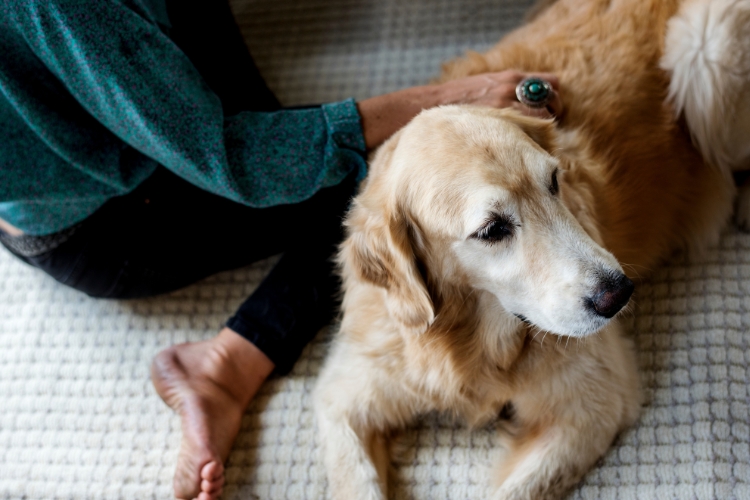
As your dog ages, they may begin to show signs of slowing down and require a little more attention and care than when they were younger. Just like humans, dogs experience changes in their bodies as they age, and it’s important for pet owners to adapt their care routine accordingly. Senior dog care is crucial to ensure that your beloved companion remains healthy, comfortable, and happy throughout their golden years.
In this blog, we’ll provide you with expert, vet-approved tips on caring for your senior dog. Whether it’s adjusting their diet, providing extra comfort, or recognizing signs of health problems, these tips will help you offer the best care for your aging pet. This guide is especially useful for residents in Austin, TX, and nearby areas, helping you navigate the unique needs of senior dogs in our local environment.
1. Adjusting Their Diet for Senior Dog Care
One of the most important aspects of senior dog care is ensuring that their diet is tailored to their aging body. As dogs age, their metabolism slows down, and their nutritional needs change. A proper diet can help maintain your senior dog’s health and prevent obesity, which is common in older dogs.
-
Choose High-Quality Senior Dog Food: Look for food specifically formulated for senior dogs. These foods often contain fewer calories to prevent weight gain and include ingredients that support joint health, digestion, and overall vitality.
-
Smaller, More Frequent Meals: As dogs age, their digestion may slow down, so it’s a good idea to feed them smaller meals throughout the day to improve nutrient absorption and prevent overfeeding.
-
Hydration is Essential: Make sure your senior dog always has access to fresh water. Older dogs may not drink enough water on their own, so try to encourage hydration by adding water to their food or offering ice cubes as a treat.
2. Exercise: Tailored to Your Dog’s Age and Ability
Exercise is essential to keeping your senior dog in good health, but it’s important to adjust their activity level based on their age and physical capabilities. While a younger dog might enjoy long runs, your senior dog will benefit from gentler, shorter walks and low-impact activities.
-
Daily Walks: Taking your dog on shorter, slower walks each day can help keep them active without overexerting them. Aim for a 15-30 minute walk depending on your dog’s stamina and ability.
-
Gentle Playtime: Engage in interactive play with your dog, such as fetch or tug-of-war, but always be mindful of their energy levels. Avoid rough play that could cause injury to their joints or muscles.
-
Joint Support: As your dog ages, they may develop arthritis or other joint problems. Consider supplements with glucosamine and chondroitin to support joint health and prevent discomfort during physical activity.
3. Regular Vet Visits and Health Monitoring
Veterinary visits become even more important as your dog ages. Senior dogs are at a higher risk for certain health issues, such as kidney disease, heart disease, and arthritis. Regular check-ups are vital for early detection and treatment of any medical conditions.
-
Biannual Vet Visits: Schedule at least two vet visits per year to monitor your senior dog’s health. These visits will allow your vet to perform blood tests, check for weight changes, and screen for common age-related diseases.
-
Vaccinations and Parasite Control: Even senior dogs need to stay up-to-date on their vaccinations and flea/tick prevention treatments. Make sure your dog receives the necessary vaccines and monthly preventatives.
-
Pain Management: If your dog shows signs of discomfort, such as limping, stiffness, or difficulty standing up, consult your vet. They may recommend pain relief medications or joint injections to improve your dog’s comfort.
4. Grooming and Hygiene for Older Dogs
As dogs age, they may not groom themselves as thoroughly as they did in their younger years. Regular grooming is important to keep their coat and skin healthy. Additionally, older dogs may experience dental problems, which can lead to discomfort or more serious health issues.
-
Regular Brushing: Brush your dog’s coat regularly to prevent matting, remove loose fur, and keep their skin healthy. Depending on the breed, you may need to brush daily or weekly.
-
Ear and Eye Care: Older dogs may experience more ear infections or eye discharge. Clean your dog’s ears regularly with a pet-safe ear cleaner, and check their eyes for signs of irritation or dryness.
-
Dental Hygiene: Dental health is often overlooked in senior dogs, but it’s crucial to prevent gum disease and tooth loss. Brush your dog’s teeth with a canine toothpaste and schedule professional dental cleanings with your vet.
5. Creating a Comfortable Living Space
Senior dogs often experience joint pain, stiffness, and other age-related issues that can affect their comfort. Creating a comfortable, safe space for your dog to rest and sleep is crucial to their overall well-being.
-
Comfortable Bed: Provide a soft, orthopedic bed to support your dog’s joints and muscles. A memory foam or heated bed can help alleviate discomfort, especially during colder months.
-
Easy Access to Essentials: As your dog ages, they may have difficulty jumping or climbing. Make sure their food, water, and potty area are easily accessible, and avoid placing their bed in high-traffic areas where they might get startled.
-
Reduced Stairs and Obstacles: Consider installing ramps or using pet stairs to help your dog get on and off furniture or into your car with ease. This will reduce the strain on their joints and make movement easier.
6. Mental Stimulation and Enrichment
Mental stimulation is just as important as physical exercise for senior dogs. Keeping their minds active can help prevent cognitive decline and improve their overall quality of life.
-
Interactive Toys: Use puzzle toys, treat-dispensing toys, and interactive games to engage your dog’s mind. These toys challenge them to problem-solve and provide a fun way to pass the time.
-
Training and Socialization: While it might seem like a senior dog is too old to learn new tricks, training can still be beneficial. Simple commands and positive reinforcement keep their brain sharp and provide a sense of purpose.
-
Social Interaction: Spending quality time with your dog, whether through cuddling, talking, or playing, strengthens your bond and keeps them emotionally fulfilled.
Caring for your senior dog involves a combination of thoughtful attention to their physical, mental, and emotional needs. By adjusting their diet, exercise routine, and providing regular veterinary check-ups, you can ensure that your dog continues to live a happy, healthy life.
If you’re in Austin and looking for veterinarians near you, schedule an appointment with Parker Animal Care. Our veterinary team is here to provide your senior dog with the expert care they need to enjoy their golden years to the fullest.
FAQs
-
What is the best food for senior dogs?
Senior dogs require food that supports their slower metabolism and joint health. Look for high-quality food with fewer calories and added nutrients like glucosamine and omega-3s. -
How can I help my senior dog with joint pain?
Regular, low-impact exercise, joint supplements, and pain management prescribed by your vet can help alleviate joint pain and improve mobility in senior dogs. -
How often should senior dogs see the vet?
Senior dogs should visit the vet at least twice a year for check-ups, vaccinations, and screenings for age-related health problems. -
How can I keep my senior dog mentally stimulated?
Provide interactive toys, puzzles, and regular training sessions to keep your senior dog mentally engaged and prevent cognitive decline. -
Are there special grooming needs for senior dogs?
Older dogs may need more frequent grooming to maintain their coat, clean their ears, and brush their teeth. Regular grooming helps prevent skin and dental issues. -
What are the signs that my senior dog may be in pain?
Signs of pain in senior dogs include limping, difficulty getting up or moving, whining, reduced activity, and changes in behavior. If you notice these signs, consult your vet.