2239 S. Lamar Blvd. Austin, TX 78704


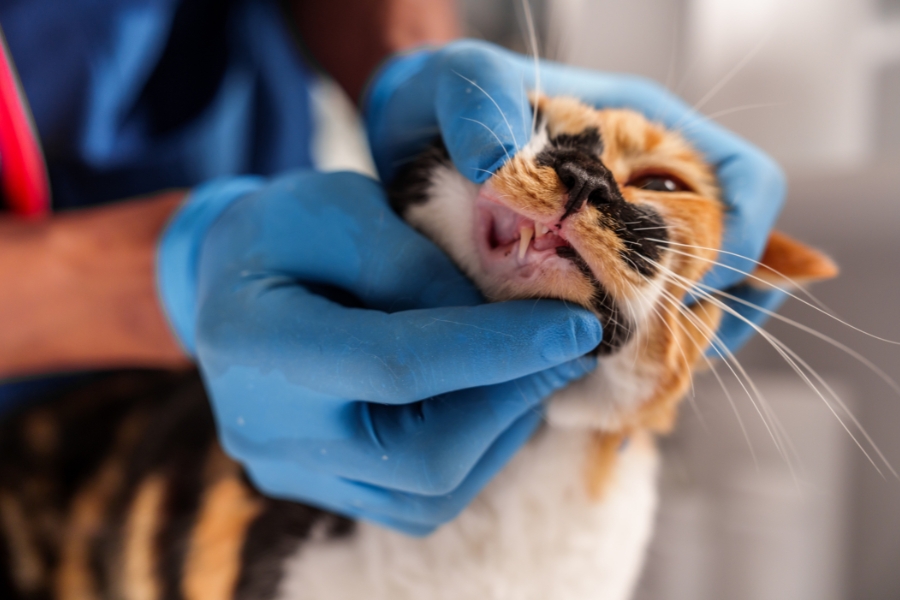
Just like humans, cats need regular dental care to keep their teeth and gums healthy. However, dental issues in cats often go unnoticed because they may not show visible signs of discomfort until the problem becomes severe. As a responsible pet owner, it’s essential to recognize the most common cat dental problems and take preventive measures to avoid them. By understanding these issues and knowing how to maintain your cat’s oral health, you can ensure they lead a pain-free, healthy life. This blog is especially for Austin, TX, residents, including those in neighborhoods like Rollingwood, West Lake Hills, Sunset Valley, South Lamar, and West Oak Hill. If you want to learn how to keep your feline’s teeth in top condition, this guide is for you.
Common Cat Dental Problems
Dental problems in cats are more common than many owners realize. Without proper care, these issues can lead to severe health problems such as tooth loss and infections. Here are some of the most common dental problems that cats face:
1. Periodontal Disease
Periodontal disease is the most common dental issue in cats, affecting their gums and teeth. It occurs when bacteria in the mouth form plaque, which then hardens into tartar. This tartar buildup leads to gum inflammation and, if left untreated, can cause tooth loss.
What to Watch For:
-
Red, swollen gums
-
Bad breath
-
Drooling or difficulty eating
Prevention:
Regular brushing of your cat’s teeth and providing dental treats or toys that help reduce plaque buildup are essential to preventing periodontal disease.
2. Tooth Resorption
Tooth resorption is a painful condition in which a cat’s own body breaks down and absorbs its teeth. It’s most commonly seen in the cat’s premolar teeth and can cause significant discomfort. This condition is progressive and often requires the extraction of the affected tooth.
What to Watch For:
-
Drooling
-
Difficulty eating or chewing
-
Bloody saliva
Prevention:
While the exact cause of tooth resorption is unknown, keeping up with regular dental exams can help catch this issue early and prevent further damage.
3. Gingivitis
Gingivitis is the inflammation of the gums and is often an early sign of periodontal disease. It can be caused by plaque buildup and poor oral hygiene. Gingivitis can be treated effectively with a professional cleaning and at-home dental care.
What to Watch For:
-
Swollen, red gums
-
Discomfort when the mouth is touched
-
Bad breath
Prevention:
Brushing your cat’s teeth regularly can help prevent gingivitis. If you notice signs of gingivitis, consult your veterinarian for a professional cleaning.
4. Broken or Cracked Teeth
Cats can break or crack their teeth while playing, chewing on hard objects, or through trauma. A fractured tooth can cause pain, infection, and even tooth loss if left untreated.
What to Watch For:
-
Difficulty eating hard food
-
Pawing at the mouth
-
Changes in behavior (irritability or withdrawal)
Prevention:
Provide your cat with safe toys and avoid giving them bones or other hard items that could lead to broken teeth.
5. Stomatitis
Stomatitis is a severe inflammation of the mouth and gums and is often associated with periodontal disease. It causes intense pain and can affect your cat’s ability to eat or drink. Stomatitis is commonly seen in cats with weakened immune systems or those who have a history of dental disease.
What to Watch For:
-
Swollen, red gums and mouth
-
Excessive drooling
-
Difficulty eating
Prevention:
Stomatitis can be prevented with regular veterinary visits for professional dental care. If you notice any symptoms, it’s important to seek treatment immediately.
How to Prevent Cat Dental Problems
Prevention is always the best course of action when it comes to your cat’s dental health. Here are some effective ways to keep your cat’s teeth and gums healthy:
1. Regular Brushing
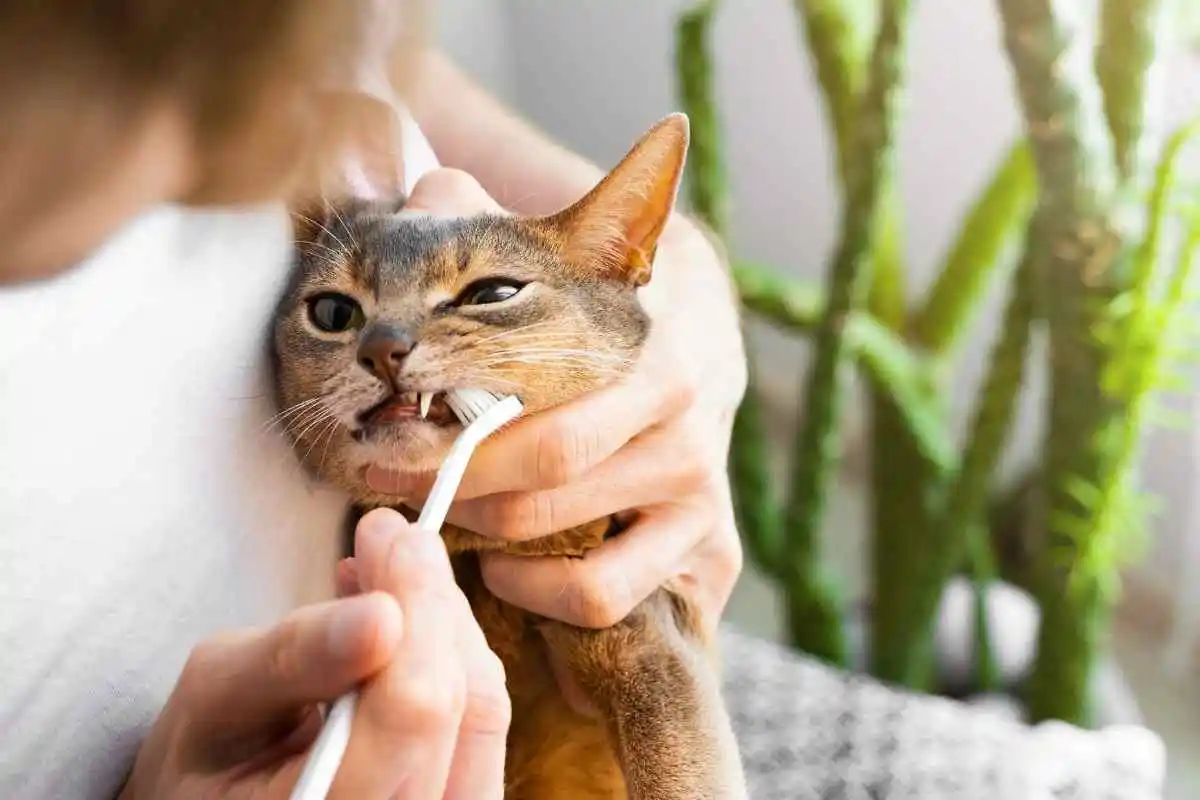
Brushing your cat’s teeth is one of the most effective ways to prevent dental issues. It helps remove plaque buildup and keeps their teeth clean. Use a toothbrush and toothpaste specifically designed for cats.
Tip: Start brushing your cat’s teeth when they are young to get them accustomed to the process.
2. Provide Dental Treats and Toys
Dental treats and toys are designed to reduce plaque buildup and promote healthy gums. They can also help keep your cat’s teeth clean between brushings. Look for treats approved by the Veterinary Oral Health Council (VOHC) for maximum effectiveness.
Tip: Always choose treats that are appropriate for your cat’s size and dental needs.
3. Professional Dental Cleanings
Just like humans, cats need professional dental cleanings. These cleanings allow a veterinarian to remove tartar and plaque that can’t be reached with a toothbrush. Regular cleanings are essential for preventing periodontal disease and other serious dental issues.
Tip: Schedule annual dental checkups with your vet to catch any problems early.
4. Feed a Healthy Diet
A well-balanced diet is essential for maintaining your cat’s overall health, including their dental health. Dry cat food is less likely to cause plaque buildup compared to wet food. However, some cats may benefit from both types of food.
Tip: Discuss your cat’s diet with your vet to determine the best feeding plan for their dental health.
5. Watch for Signs of Discomfort
Keep an eye out for signs of dental problems, such as bad breath, difficulty eating, or pawing at the mouth. Early intervention can prevent many dental problems from worsening.
Tip: If you notice any of these signs, consult your veterinarian for an evaluation and cleaning.
Conclusion: Caring for Your Cat’s Teeth
Maintaining good dental care for your cat is essential for their overall health and well-being. By understanding common dental problems and following preventive measures, you can help your cat avoid discomfort and ensure a long, healthy life. Regular brushing, professional cleanings, and dental treats are all important steps in keeping your cat’s teeth in great shape.
If you are in Austin, TX, and looking for cat dental care near you, book an appointment with Parker Animal Care. Our veterinary team is here to help maintain your cat’s oral health and ensure they stay pain-free and happy.
FAQs
-
How often should I brush my cat’s teeth?
It’s recommended to brush your cat’s teeth at least 2-3 times a week to remove plaque and prevent dental problems. -
What are the signs of periodontal disease in cats?
Common signs include bad breath, swollen gums, difficulty eating, and pawing at the mouth. -
Can I use human toothpaste for my cat’s teeth?
No, human toothpaste contains ingredients that can be harmful to cats. Use toothpaste designed specifically for cats. -
How can I prevent tooth resorption in cats?
While the exact cause of tooth resorption is unknown, regular dental checkups and keeping up with dental hygiene can help catch the problem early. -
Is it safe to give my cat dental chews?
Yes, dental chews can be beneficial for cleaning your cat’s teeth. However, always choose those approved by the Veterinary Oral Health Council (VOHC). -
What should I do if my cat has a broken tooth?
If your cat has a broken tooth, it’s essential to take them to the vet immediately for an evaluation and possible extraction to prevent infection and pain.