2239 S. Lamar Blvd. Austin, TX 78704


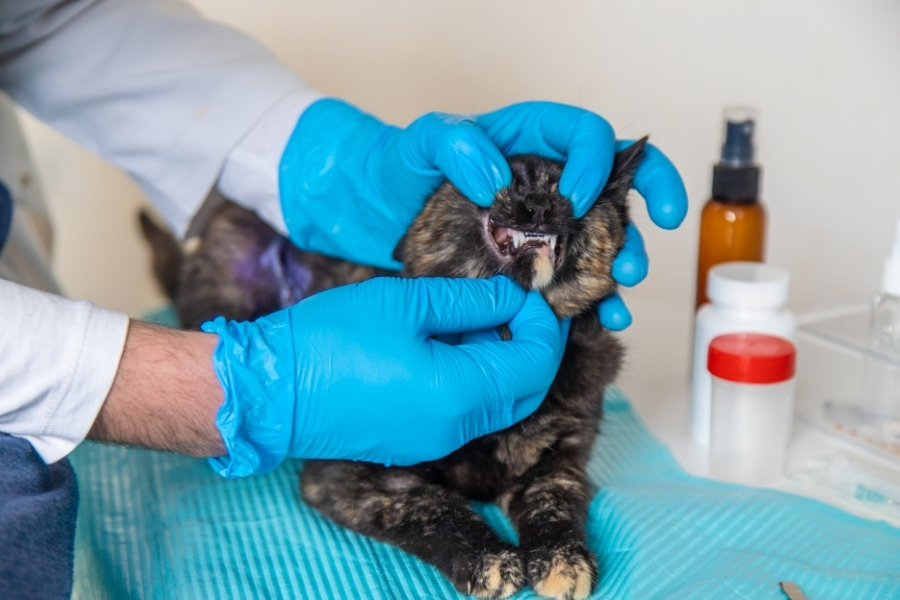
Dental disease is one of the most common health problems in pets, yet it often goes unnoticed until it becomes severe. As a pet owner in Austin, TX, it’s essential to be aware of the signs, causes, and treatment options for dental disease, as it can significantly affect your pet’s overall health. Untreated dental problems can lead to painful conditions and other serious health issues, such as infections that spread to the heart, liver, or kidneys.
In this blog, we’ll explore the symptoms, causes, and treatment options for dental disease in pets. Understanding how to care for your pet’s dental health can prevent future complications and ensure they live a happy, healthy life.
1. Symptoms of Dental Disease in Pets
Pets can’t tell us when something hurts, so it’s crucial to pay attention to any changes in their behavior that may indicate dental disease. Here are some common symptoms to watch for:
-
Bad Breath (Halitosis): Persistent bad breath is one of the earliest and most noticeable signs of dental disease. While a mild odor is normal, strong or foul-smelling breath often signals an infection or gum disease.
-
Difficulty Eating or Chewing: If your pet is having trouble eating or chewing their food, it could be due to pain from sore gums or decayed teeth. They may drop food, chew on one side of their mouth, or show reluctance to eat.
-
Excessive Drooling: If your pet is drooling more than usual or if their saliva appears foamy, it could be a sign of an oral infection or inflamed gums.
-
Red, Swollen, or Bleeding Gums: Healthy gums should be pink, not red or inflamed. If you notice swelling, redness, or bleeding around your pet’s gums, it’s a sign of gum disease.
-
Loss of Teeth: In severe cases of dental disease, pets may experience tooth loss. This is typically a sign that the condition has progressed and that professional treatment is required.
-
Behavioral Changes: Pets in pain may become more irritable or withdrawn. If your pet suddenly avoids their favorite activities or becomes aggressive when their mouth is touched, it could be a sign of dental discomfort.
2. Causes of Dental Disease in Pets
Dental disease in pets, like humans, is usually caused by plaque buildup. Plaque is a sticky film that forms on teeth and contains bacteria. If plaque is not removed through regular brushing, it hardens into tartar, which can lead to gum disease, infections, and tooth loss.
Some common causes of dental disease in pets include:
-
Poor Oral Hygiene: Just like humans, pets need regular dental care. Without proper brushing and professional cleanings, plaque and tartar will accumulate, leading to dental problems.
-
Diet: Pets that eat a diet of primarily wet food may be at a higher risk for dental disease. Wet food can stick to teeth and promote plaque buildup, whereas dry food can help scrape the teeth clean during chewing.
-
Genetics: Certain breeds of dogs and cats are more prone to dental disease due to their genetic makeup. Small-breed dogs, for example, often have crowded teeth, which can make it harder to clean their mouths and make them more likely to develop dental issues.
-
Age: As pets get older, they are more likely to develop dental problems due to the natural wear and tear on their teeth. Regular checkups and cleanings become even more important as they age.
-
Health Conditions: Some underlying health conditions, like diabetes or kidney disease, can make pets more susceptible to dental problems. For instance, pets with diabetes may have a weakened immune system, making it harder for them to fight off infections in the mouth.
3. Treatment for Dental Disease in Pets
If you notice any of the symptoms of dental disease, it’s essential to schedule an appointment with your veterinarian. The earlier dental issues are caught, the easier they are to treat. Here’s what to expect when treating dental disease in pets:
-
Professional Dental Cleaning: The most common treatment for dental disease is a professional dental cleaning. This procedure is performed under anesthesia and involves scaling away tartar and plaque from your pet’s teeth, both above and below the gum line. The veterinarian will also polish the teeth to smooth out any rough areas that could collect more plaque.
-
Tooth Extractions: In more severe cases where teeth are decayed or infected, tooth extractions may be necessary. While this may sound concerning, tooth extractions are often done to relieve pain and prevent further infection.
-
Antibiotics: If your pet has an oral infection, your vet may prescribe antibiotics to help clear up the infection before performing a cleaning or tooth extraction.
-
Home Care: After your pet’s dental cleaning or treatment, your veterinarian will likely recommend at-home care to maintain oral health. This may include regular brushing, dental chews, or special dental diets designed to reduce plaque buildup.
-
Routine Checkups: Maintaining regular veterinary checkups and cleanings is key to preventing dental disease from recurring. Your veterinarian will assess your pet’s dental health during routine visits and suggest a plan for ongoing care.
4. Preventing Dental Disease in Pets
Prevention is always the best approach when it comes to dental disease. Here are some ways you can help prevent dental problems in your pet:
-
Brushing Your Pet’s Teeth: Just like humans, pets need regular brushing to remove plaque. Aim to brush your pet’s teeth at least two to three times a week using pet-safe toothpaste and a toothbrush designed for pets.
-
Dental Chews and Toys: Providing dental chews or toys that are specifically designed to clean your pet’s teeth can help reduce plaque and tartar buildup. Look for products that have the Veterinary Oral Health Council (VOHC) seal, which indicates they are effective in promoting oral health.
-
Regular Vet Visits: Routine checkups and professional cleanings are essential for preventing dental disease. Your vet will be able to spot early signs of dental problems and take steps to address them before they become serious.
Dental disease in pets is common, but with proper care and attention, you can help prevent it from causing significant health issues. By recognizing the symptoms, understanding the causes, and seeking prompt treatment, you can ensure that your pet’s teeth remain healthy and strong for years to come. If you’re in Austin and need assistance with pet dental care, don’t hesitate to schedule an appointment with Parker Animal Care. We’re here to provide the best care for your pet’s oral health and overall well-being.
FAQs
Q1. How often should I brush my pet’s teeth?
Ans. It’s recommended to brush your pet’s teeth at least two to three times a week to prevent plaque buildup and maintain oral health.
Q2. Can dental disease affect my pet’s overall health?
Ans. Yes, untreated dental disease can lead to infections that can affect vital organs such as the heart, liver, and kidneys.
Q3. Is dental cleaning safe for pets?
Ans. Yes, professional dental cleaning is generally very safe when performed by a skilled veterinarian. Your pet will be under anesthesia for the procedure, ensuring they are comfortable and relaxed.
Q4. Are there any specific foods that can help with dental health?
Ans. Yes, there are special dental diets and treats that help reduce plaque buildup and promote healthy teeth. Consult with your vet for recommendations based on your pet’s needs.
Q5. How do I know if my pet needs a tooth extraction?
Ans. If your pet has severely decayed or infected teeth, your veterinarian may recommend extraction to prevent further pain and infection.
Q6. Can dental disease be prevented?
Ans. Yes, regular brushing, professional cleanings, and dental chews are great ways to prevent dental disease and maintain your pet’s oral health.

