2239 S. Lamar Blvd. Austin, TX 78704


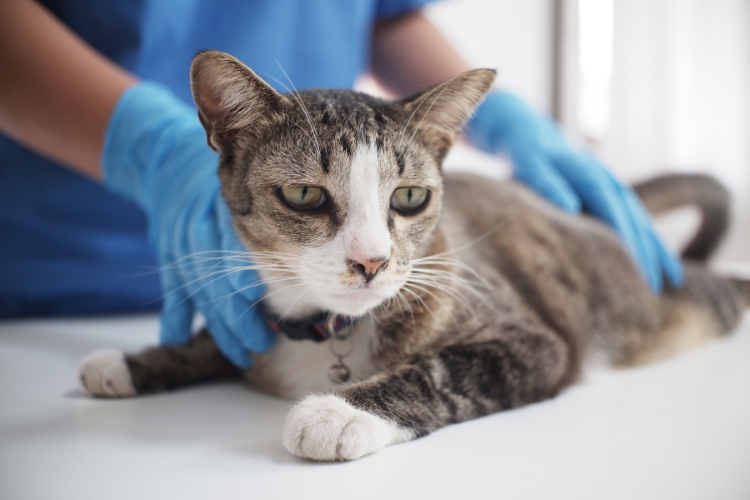
Cats are known for their quiet and independent nature, which often makes them seem low-maintenance. However, this same behavior can hide serious health issues that develop without clear warning signs. Many owners assume their cat is healthy because it eats, sleeps, and plays normally, but some conditions progress silently beneath the surface.
Understanding hidden cat illnesses is essential for every cat owner who wants to provide long-term care and comfort. Preventative cat care plays a crucial role in identifying problems early, even before symptoms appear. This blog will guide you through five silent diseases and explain how regular checkups can protect your cat’s health.
Why Cats Hide Illness So Well
Cats have an instinct to hide weakness because, in the wild, showing illness can make them vulnerable. Even in a safe home environment, this instinct remains strong. As a result, many cat diseases with no symptoms go unnoticed until they become more serious.
You may notice very small changes that seem harmless at first. These can include slight weight loss, reduced activity, or changes in grooming habits. Recognizing the early signs of illness in cats requires close attention and consistency in daily care routines.
Regular observation at home combined with specialized veterinary exams creates a strong safety net, helps detect issues early, and significantly improves treatment outcomes.
The Role of Preventative Care in Early Detection
Preventative care is not just about vaccines or routine visits. It is a complete approach to maintaining your cat’s health through regular monitoring, testing, and guidance. Understanding the importance of preventative care for cats helps you stay proactive rather than waiting for symptoms to appear.
If you’re wondering why regular vet visits matter for cats, they often include physical exams, blood tests, and discussions of behavioral changes, allowing veterinarians to identify potential concerns before they develop into serious conditions, especially when dealing with silent diseases.
By committing to preventative care, you give your cat the best chance of a longer, healthier life. It also reduces the stress and cost associated with treating advanced illnesses.
1. Chronic Kidney Disease: A Slow and Silent Condition
Chronic kidney disease is one of the most common issues seen in cats, especially as they age. It develops gradually and often does not show clear symptoms in the early stages. Many owners only notice the problem when the condition has already progressed.
It affects the kidneys’ ability to filter waste from the blood. Over time, toxins build up and impact overall health. Early detection through blood and urine tests can make a significant difference in managing the condition.
Subtle warning signs may include:
- Increased thirst: Your cat may start drinking more water than usual without an obvious reason.
- Frequent urination: You may notice more trips to the litter box or larger urine clumps.
- Weight loss: Gradual weight loss can occur even if your cat seems to eat normally.
- Low energy levels: Your cat may sleep more and show less interest in activities.
Routine checkups help detect kidney disease early, allowing for dietary changes and treatment plans that improve quality of life.
2. Dental Disease: More Than Just Bad Breath
Dental disease is often overlooked, but it is one of the most common cat diseases. Many cats develop gum issues and tooth decay without showing obvious discomfort, which can lead to pain, infection, and even problems affecting other organs.
Cats rarely show clear signs of dental pain, which makes regular oral exams very important. Preventative dental care helps catch issues early and prevents complications.
Signs that may indicate dental problems include:
- Bad breath: Persistent bad breath can signal an infection or gum disease.
- Difficulty eating: Your cat may chew slowly or avoid hard food.
- Drooling more often: Excess saliva can be a sign of oral discomfort.
- Red or swollen gums: Gum inflammation often points to underlying dental issues.
3. Hyperthyroidism: A Hidden Hormonal Imbalance
Hyperthyroidism is a condition in which the thyroid gland produces excess hormones, leading to an increased metabolism, which can affect multiple body systems. It is one of the more common feline health problems seen in older cats.
The challenge with hyperthyroidism is that symptoms can be mistaken for normal aging or increased activity. However, early detection through blood tests makes treatment more effective and manageable.
Watch for these subtle changes:
- Increased appetite: Your cat may eat more but still lose weight.
- Weight loss despite eating: It is a key sign that should not be ignored.
- Restlessness or hyperactivity: Your cat may seem more active than usual.
- Changes in coat quality: Fur may appear unkempt or less shiny.
Regular veterinary visits can detect hormonal changes early, enabling appropriate treatment and monitoring.
4. Diabetes: A Growing Concern in Cats
Diabetes is becoming more common in cats, especially in those who are overweight or less active. It affects how the body uses glucose and can lead to serious complications if left untreated.
The early stages of diabetes may not be obvious, which is why routine testing is important. Identifying the condition early allows for better management through diet and medication.
Early indicators may include:
- Excessive thirst: Your cat may drink water more frequently than before.
- Increased urination: More frequent use of the litter box can be a warning sign.
- Weight changes: Weight loss or gain can occur depending on the stage.
- Lethargy: Your cat may appear less energetic and more tired.
Preventative care helps detect diabetes before it becomes severe, improving your cat’s chances of a stable, healthy life.
5. Heart Disease: A Silent Threat
Heart disease in cats often develops without noticeable symptoms until it becomes severe, making it one of the most dangerous silent conditions. Early detection is crucial for managing the disease effectively.
Veterinarians can identify heart issues through physical exams and diagnostic tests. These tests may reveal abnormalities even when your cat appears healthy.
Possible signs to watch for include:
- Rapid breathing: Faster breathing can indicate heart or lung issues.
- Reduced activity: Your cat may tire more easily during play.
- Loss of appetite: Eating less can be linked to underlying health problems.
- Sudden weakness: It can occur in more advanced stages of the disease.
Routine checkups play a vital role in detecting heart disease early and improving treatment outcomes.
Building a Preventative Care Routine for Your Cat
Creating a consistent care routine is one of the best ways to protect your cat from silent diseases. It helps you stay organized and ensures that no important step is missed.
A strong preventative care routine includes:
- Annual wellness exams: These visits help track your cat’s health and detect early changes.
- Regular blood tests: Blood work can reveal hidden issues before symptoms appear.
- Dental checkups: Oral health should be monitored to prevent pain and infection.
- Weight monitoring: Keeping track of weight helps identify health concerns early.
- Behavior observation: Small changes in behavior can signal underlying problems.
Simple Ways to Monitor Your Cat at Home
While veterinary care is essential, your role at home is equally important. Daily observation helps you notice small changes that may indicate a problem.
Pay attention to eating habits, litter box use, grooming behavior, and activity levels. Even minor changes can provide valuable clues about your cat’s health.
Keeping a simple record of your cat’s routine can help you identify patterns and share accurate information with your veterinarian, improving early detection and treatment success.
Protect Your Cat’s Health Before Problems Begin
Caring for a cat means looking beyond what is visible and staying alert to what may be hidden. Silent diseases can develop without warning, but preventative care offers a powerful way to catch them early. By staying consistent with checkups and observing your cat closely, you can provide a safer, healthier life for your cat.
Book your appointment online with Parker Animal Care today to give your cat the proactive care they deserve. Our team is dedicated to helping you stay ahead of potential health concerns.
FAQs
- How often should my cat visit the vet for preventative care?
Most cats should visit the veterinarian at least once a year. Older cats or those with health conditions may need more frequent visits.
- Can indoor cats still develop serious health problems?
Yes, indoor cats can develop many health issues, including dental disease and kidney problems. Regular checkups are still very important.
- What tests are included in preventative care for cats?
Preventative care may include physical exams, blood tests, urine tests, and dental evaluations. These help detect problems early.
- How can I tell if my cat is hiding an illness?
Look for small changes in behavior, appetite, or energy levels. These can be early indicators of underlying health issues.
- What should I do if I notice sudden changes in my cat’s behavior?
If you notice sudden changes such as loss of appetite, unusual hiding, or low energy, you should contact your veterinarian as soon as possible. Early attention can help identify the cause quickly and prevent the condition from becoming more serious.
