2239 S. Lamar Blvd. Austin, TX 78704


Spaying is a routine but major surgical procedure for female cats. While the surgery is generally safe, the recovery period is critical for ensuring your cat heals properly. Adequate rest not only prevents complications but also promotes faster healing, reduces stress, and helps maintain your cat’s overall well-being. Understanding how long a cat should rest after being spayed and how to provide proper care is essential for every pet owner.
Immediate Recovery After Surgery
After being spayed, most cats will feel groggy or drowsy from the anesthesia. This initial recovery phase usually lasts several hours to a full day. During this time, your cat may:
-
Sleep more than usual
-
Be less responsive to stimuli
-
Move cautiously or stumble
It is important to provide a quiet, safe, and confined space during these first hours. Avoid handling your cat excessively, as this may increase stress and interfere with the healing process.
How Long Should a Cat Rest Overall
Typically, cats need at least 10 to 14 days of restricted activity following spay surgery. This timeframe allows the incision to heal and reduces the risk of complications such as:
-
Swelling or infection at the incision site
-
Opening of stitches due to jumping or running
-
Internal bleeding or irritation
During this period, you should gradually reintroduce activity. While short, gentle movements around a confined area are acceptable, your cat should not engage in vigorous play, jump on furniture, or go outdoors.
Creating a Safe Rest Environment
Providing a calm and comfortable environment is key to recovery. Consider the following:
-
Confinement: Use a small, quiet room or a large crate to restrict movement.
-
Soft Bedding: Provide a cozy bed to support the cat’s body and incision.
-
Quiet Atmosphere: Minimize loud noises and household disturbances.
-
Access to Essentials: Ensure food, water, and a litter box are easily accessible.
By creating a secure recovery space, you reduce the risk of injury and encourage proper healing.
Monitoring the Incision Site
Checking the incision daily is essential. Normal healing may include mild redness or swelling, but watch for:
-
Excessive redness
-
Bleeding or discharge
-
Foul odor
-
Opening of stitches
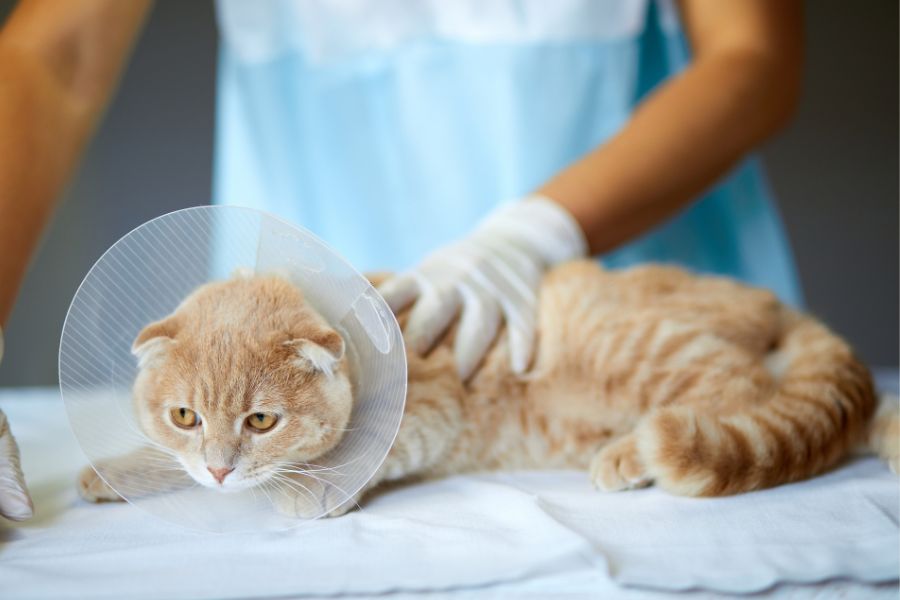
If any of these signs appear, contact your veterinarian immediately. Additionally, prevent your cat from licking or biting the incision by using an Elizabethan collar or a recovery suit.
Managing Pain and Comfort
Your veterinarian may prescribe pain medication or antibiotics after the surgery. Administer these medications exactly as instructed. Never give human medications to cats, as they can be toxic.
During the recovery period, monitor your cat’s behavior for signs of discomfort, such as:
-
Restlessness or pacing
-
Excessive hiding
-
Vocalizing or meowing more than usual
Proper pain management supports healing and keeps your cat comfortable throughout the recovery period.
Feeding and Hydration
Cats may have a reduced appetite immediately after surgery due to anesthesia effects. Offer small, easily digestible meals once your cat is alert. Gradually return to their regular feeding schedule as their appetite improves.
Ensure fresh water is always available, as hydration aids the healing process and supports overall health. Contact your veterinarian if your cat refuses food or water for more than 24 hours.
Gradually Reintroducing Activity
After the initial 10–14 days of rest, you can slowly reintroduce normal activity. Start with short supervised play sessions, gradually allowing your cat to move more freely. Avoid allowing your cat to jump from heights or engage in vigorous play until your veterinarian confirms that the incision has fully healed.
By pacing activity, you reduce the risk of reopening the incision or causing other complications.
Rest is a critical component of recovery after spaying surgery. Most cats require 10 to 14 days of limited activity to ensure proper healing. By providing a safe, quiet environment, monitoring the incision, managing pain, and gradually reintroducing activity, you help your cat recover comfortably and safely.
For pet owners seeking guidance on cat surgery in Austin, TX, consult a trusted local veterinarian to ensure your feline companion receives the highest level of post-surgical care.
Frequently Asked Questions (FAQs)
Q1. How long does it take for a cat to fully recover after being spayed?
Ans. Most cats need 10–14 days of rest, though full recovery may take a few weeks, depending on the cat.
Q2. Can my cat move around immediately after surgery?
Ans. Cats can move slowly, but vigorous activity should be restricted for at least 10 days.
Q3. Should I use an Elizabethan collar?
Ans. Yes, it prevents your cat from licking or biting the incision, reducing the risk of infection.
Q4. How can I tell if my cat’s incision is healing properly?
Ans. Normal healing includes slight redness or swelling; call your vet for excessive redness, discharge, or bleeding.
Q5. When can my cat resume playing and jumping?
Ans. Gradually, after 10–14 days, with supervision, once the veterinarian confirms proper healing.
Q6. What should I feed my cat after surgery?
Ans. Offer small, easily digestible meals initially, then return to their regular diet as appetite improves.