2239 S. Lamar Blvd. Austin, TX 78704


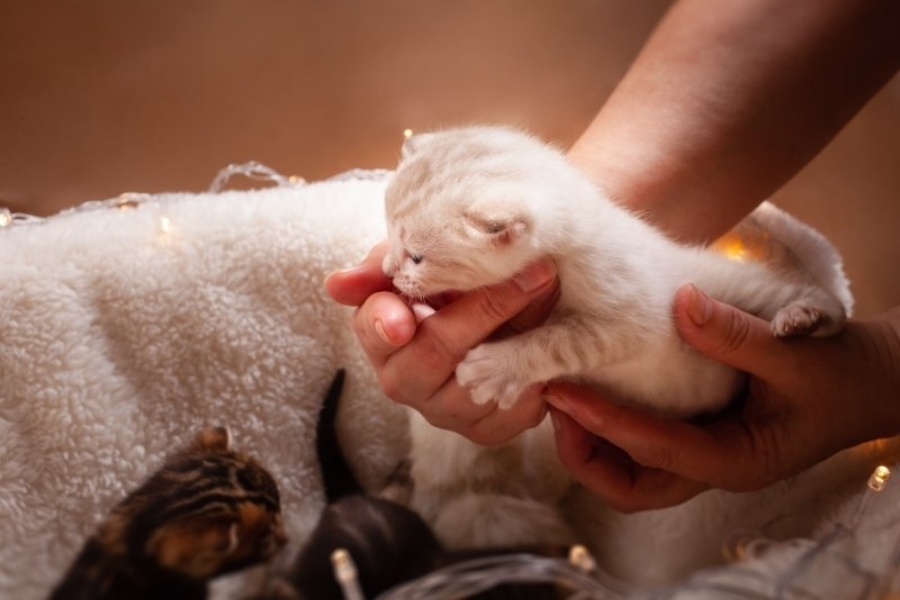
Bringing home a new kitten is a thrilling experience. Their playful antics and adorable features bring joy to any household. But with all the excitement, it’s easy to overlook one of the most important steps in ensuring your kitten’s long-term health: their first visit to the vet. This initial check-up is crucial not only for vaccinations but also for laying the foundation for a strong relationship between your kitten and their veterinarian. In this guide, we’ll help you prepare for that first vet visit, ensuring a smooth and positive experience for your kitten and yourself.
Why the First Vet Visit is Important
Your kitten’s first vet visit is essential for many reasons. It is the first step in ensuring they are healthy and growing properly. During this visit, the veterinarian will conduct a thorough examination to assess your kitten’s health, provide vaccinations, and establish a care plan for their future well-being.
For many kittens, this visit also includes deworming treatments and a discussion about spaying or neutering. It’s also an opportunity for you to ask questions about your kitten’s diet, behavior, and general care. The sooner your kitten is accustomed to the vet’s office, the easier future visits will be.
Schedule the Appointment Early
The timing of your kitten’s first vet visit is critical. Most veterinarians recommend scheduling the first check-up when your kitten is around 6-8 weeks old. At this age, your kitten should be ready for their first round of vaccinations, which protect them against several common diseases. If your kitten came from a shelter or breeder, they might already have had some vaccinations, so make sure to ask for their health records ahead of time.
When scheduling the appointment, inquire about any specific requirements or paperwork you need to bring, such as your kitten’s adoption records or vaccination history. This helps your vet prepare for the appointment and ensures they have all the information they need to give your kitten the best care.
Prepare Your Kitten for the Visit
Preparing your kitten for their first vet visit doesn’t just involve gathering the right paperwork. It also means getting them comfortable with the idea of the carrier and the car ride. Kittens are naturally curious, but the unfamiliar sights and sounds of a vet’s office can be intimidating for them. The good news is that with a little preparation, you can reduce your kitten’s stress and help them associate the carrier with safety rather than anxiety.
Start by getting your kitten accustomed to the carrier well before the appointment. Place a soft blanket or some of their favorite toys inside the carrier and leave it open in an area they frequent. Let them explore it at their own pace. Once they are used to it, try placing them inside the carrier for short periods, gradually increasing the duration. You can also offer them treats during these training sessions to create positive associations with the carrier.
On the day of the visit, ensure that the carrier is secure and comfortable. Avoid sudden loud noises and keep the car ride as calm as possible. If your kitten is nervous, you can speak to them in a soothing tone or play soft music in the car to help them relax.
What to Expect During the Vet Visit
When you arrive at the vet’s office, you may be asked to wait in the lobby for a few minutes before your appointment begins. Keep your kitten in the carrier during this time to prevent them from becoming stressed or overstimulated. The vet may take your kitten’s temperature, examine their eyes, ears, and mouth, and listen to their heart and lungs. They will also check for any signs of parasites or other health issues.
Your kitten will likely receive their first vaccinations, which may include vaccines for feline distemper, feline herpesvirus, calicivirus, and rabies. The vet will also discuss your kitten’s growth, development, and diet. They may recommend a schedule for future vaccinations and check-ups.
During this visit, your vet may also recommend other preventive care measures, such as spaying or neutering, flea prevention, and dental care. Be sure to ask questions about any aspect of your kitten’s health or care that you’re unsure about.
What to Bring to the Appointment
To ensure your kitten’s first vet visit goes smoothly, be sure to bring the following items:
-
Health records: If your kitten has already received vaccinations or deworming treatments, bring these records with you.
-
Carrier: A secure and comfortable carrier is essential for keeping your kitten calm during transport.
-
Comfort items: Bring a blanket or toy that your kitten is familiar with to help them feel more at ease during the visit.
-
List of questions: Write down any questions or concerns you have about your kitten’s health, behavior, or diet. This ensures you don’t forget anything important during the visit.
Post-Visit Care
After your kitten’s first vet visit, they may feel a bit tired or cranky, especially if they’ve had vaccinations. It’s completely normal for kittens to feel some discomfort after their shots, but they should bounce back within a few hours. If you notice any signs of a severe reaction, such as swelling, difficulty breathing, or excessive lethargy, contact your vet immediately.
Your vet will provide instructions on follow-up care and when to schedule your kitten’s next visit. Be sure to keep track of any recommended treatments, vaccinations, or medications your kitten needs.
Preparing for your kitten’s first vet visit is an important step in ensuring they grow up healthy and happy. By scheduling the appointment early, gathering the necessary information, and preparing your kitten for the visit, you can make the experience as stress-free as possible. Remember, veterinarians in Austin, TX, are here to guide you through every step of your kitten’s health journey, from their first check-up to their ongoing care. Don’t hesitate to reach out to your local veterinary clinic for more information and to schedule your kitten’s first visit.
FAQs
Q1. When should I take my kitten to the vet for the first time?
Ans. The ideal time for a kitten’s first vet visit is between 6 to 8 weeks of age, ensuring they receive their first vaccinations and a general health check.
Q2. What vaccinations will my kitten receive at their first vet visit?
Ans. Your kitten will typically receive vaccinations for feline distemper, feline herpesvirus, calicivirus, and rabies during their first visit.
Q3. How can I help my kitten feel comfortable during the visit?
Ans. Get your kitten used to the carrier beforehand by placing treats and toys inside. This helps them associate the carrier with comfort, reducing stress during the trip.
Q4. Should I bring my kitten’s health records to the vet?
Ans. Yes, bringing any available health records, including previous vaccinations or deworming treatments, will help your vet provide the best care for your kitten.
Q5. How can I prepare my kitten for the car ride to the vet?
Ans. Start by letting your kitten explore the carrier a few days before the appointment. During the car ride, keep the environment calm by speaking softly and avoiding loud noises.
Q6. What should I expect after my kitten’s first vet visit?
Ans. Your kitten may feel tired or a little cranky after receiving vaccinations. This is normal, but if you notice any severe reactions, contact your vet immediately.