2239 S. Lamar Blvd. Austin, TX 78704


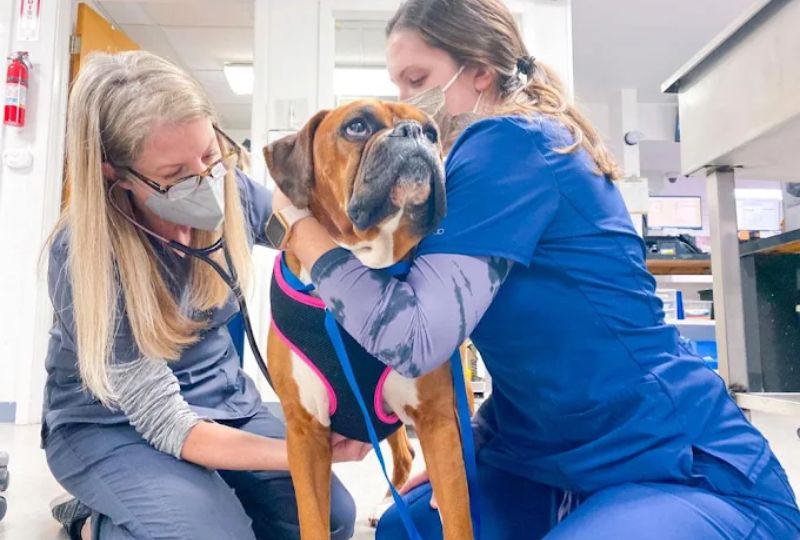
As pets grow older, their needs often change in ways that are not always easy to notice. Small changes in appetite, energy levels, mobility, or behavior may indicate underlying health concerns. Many senior pets live happy lives with proper care, but chronic conditions can affect their comfort and daily routines.
Managing these conditions requires regular monitoring, early detection, and a thoughtful approach. A trusted veterinary team can help pet owners understand their companion’s health needs and create a care plan that supports long-term wellness.
Choosing the right veterinary professional is an important step toward protecting an aging pet’s quality of life.
Dr. Leanne Parker and the team at Parker Animal Care focus on compassionate care, preventive medicine, and individualized treatment plans for pets at every life stage. For families in Austin, Dr. Parker is a trusted veterinarian who has cared for pets for many years.
Eager to discover how trusted professionals expertly manage chronic disorders in aging pets? This blog can be your ideal guide.
Why Aging Pets Need Ongoing Health Monitoring
Senior pets experience natural changes as they age. However, some changes may be linked to chronic conditions that require medical attention.
Regular wellness visits help identify concerns before they become more difficult to manage. These visits allow veterinary professionals to evaluate your pet’s overall health and track changes over time.
Common chronic conditions in older pets include:
- Arthritis and joint-related discomfort
- Kidney disease
- Diabetes
- Heart conditions
- Thyroid disorders
- Dental disease
- Skin problems
- Weight-related concerns
Many of these conditions cannot be completely prevented. However, proper management can improve comfort and help pets maintain a better quality of life.
How Veterinary Care Helps Manage Chronic Conditions
Chronic health issues require consistent attention rather than occasional treatment. A veterinary professional creates a care approach based on your pet’s condition, lifestyle, and overall health.
The management process often includes several important steps.
Comprehensive Health Evaluations
A complete health assessment helps identify changes that may not be visible at home. Senior pets may hide discomfort or adapt to symptoms.
During wellness examinations, veterinary teams evaluate:
- Body condition and weight changes
- Joint movement and mobility
- Heart and lung function
- Skin and coat health
- Dental condition
- Behavior changes
These evaluations provide important information about your pet’s current health status.
Diagnostic Testing for Early Detection
Diagnostic tools help uncover health concerns that may not show obvious symptoms. Blood work, imaging, and other tests can reveal changes inside the body.
Early identification allows treatment plans to begin sooner. It also helps veterinary professionals monitor whether existing treatments are working effectively.
For aging pets, routine diagnostics can be especially valuable. Many chronic diseases progress slowly before noticeable signs appear.
Creating Personalized Treatment Plans
Every pet responds differently to chronic condition management. Treatment plans must consider age, breed, activity level, and existing health concerns.
A care plan may include:
- Prescription medications
- Nutrition adjustments
- Weight management support
- Lifestyle recommendations
- Regular follow-up visits
- Monitoring of symptoms
The goal is not only to treat a condition. It is to help pets stay comfortable and enjoy their daily activities.
Managing Pain and Mobility Changes in Senior Pets
Mobility changes are common as pets get older. Arthritis and joint problems can make everyday activities more challenging.
Signs of mobility issues may include:
- Difficulty climbing stairs
- Reluctance to jump
- Stiffness after resting
- Reduced interest in play
- Changes in walking patterns
Veterinary guidance can help identify the cause of these changes. Management may include medications, weight support, exercise recommendations, or other therapies.
Keeping senior pets comfortable helps them remain active and connected with their families.
Supporting Pets With Internal Health Conditions
Some chronic conditions affect internal organs and require careful monitoring. For example, kidney disease may require changes in diet, hydration support, and regular testing. Heart conditions may require medication and ongoing evaluations.
Diabetes management may involve monitoring blood sugar levels, adjusting nutrition, and maintaining consistent routines.
Pet owners play an important role in successful management. Tracking symptoms and sharing changes with the veterinary team can improve treatment decisions.
The Importance of Preventive Care for Older Pets
Preventive care remains important throughout a pet’s entire life. Senior pets benefit from continued wellness examinations even when they appear healthy.
Routine visits allow veterinary teams to:
- Monitor existing conditions
- Adjust treatments when needed
- Detect new health concerns
- Discuss nutrition and lifestyle needs
- Maintain comfort and wellness
Preventive care gives pet owners valuable insight into their pet’s changing needs.
How to Choose the Right Veterinary Team for Senior Pet Care
Choosing a veterinary team for an aging pet involves more than finding medical services. Pet owners need a team that listens, communicates clearly, and understands the emotional connection between families and pets.
Look for a practice that offers:
Experience With Long-Term Health Management
Senior pets often require ongoing care. A veterinary team familiar with chronic conditions can provide consistent guidance throughout different stages of aging.
Clear Communication
Understanding your pet’s condition helps you make confident decisions. A caring team explains treatment options and answers questions about your pet’s health.
A Compassionate Approach
Older pets may need additional patience and attention. A supportive environment helps reduce stress during visits and treatments.
At our veterinary practice, the focus is on providing thoughtful care while building lasting relationships with pets and their families. The practice offers comprehensive veterinary services in Austin with attention to each pet’s unique needs.
Give Your Senior Pet the Support They Deserve
Your pet’s golden years can be filled with comfort, companionship, and happiness with the right care approach. Chronic conditions may require ongoing attention, but they do not have to prevent your pet from enjoying life.
The team at Parker Animal Care is committed to helping Austin families support their aging pets through compassionate and comprehensive veterinary care. Schedule an appointment today and take the next step toward protecting your fur mate’s long-term health.
Frequently Asked Questions
- How often should senior pets visit a veterinarian?
Senior pets often benefit from more frequent wellness visits than younger animals. Many veterinary teams recommend examinations every six months, depending on the pet’s health condition.
- What are signs that my aging pet may have a chronic condition?
Common signs include weight changes, reduced activity, increased thirst, appetite changes, coughing, difficulty moving, or changes in behavior.
- Can chronic conditions in older pets be cured?
Some chronic conditions cannot be cured, but they can often be managed. Proper treatment can improve comfort and support a better quality of life.
- How can I help my senior pet stay comfortable at home?
Maintaining a healthy weight, providing appropriate exercise, following treatment plans, and scheduling regular checkups can support senior pet wellness.
- Does my older pet still need preventive care?
Yes. Preventive care remains important because it helps identify new concerns and monitor existing health issues.
- How do veterinarians diagnose health problems in senior pets?
Veterinary teams use physical examinations, medical history reviews, laboratory testing, and diagnostic tools to evaluate senior pet health.
- When should I schedule a checkup for my aging pet?
Schedule a visit if you notice changes in behavior, appetite, movement, energy levels, or