2239 S. Lamar Blvd. Austin, TX 78704


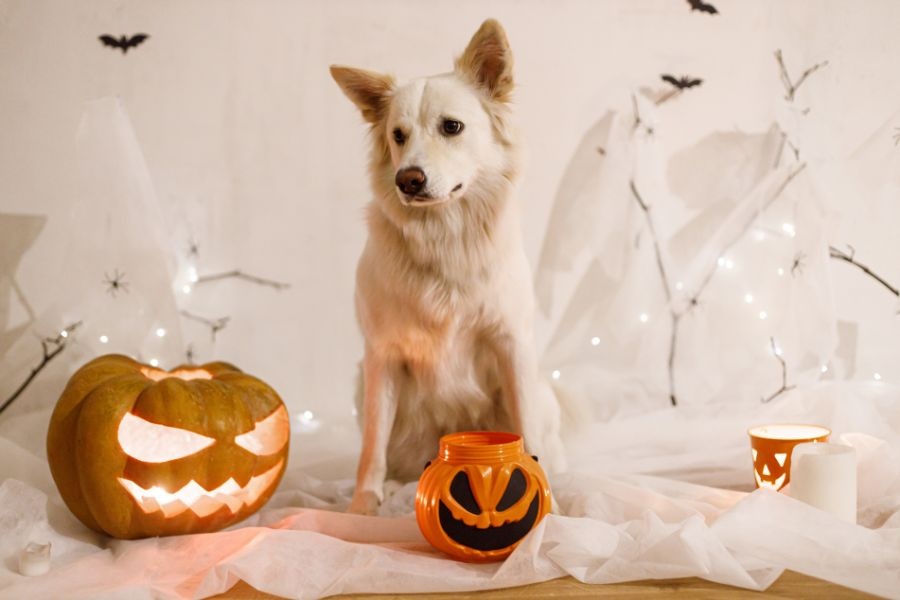
Halloween can be an exciting time for families in Austin, with neighborhood celebrations, costume contests, outdoor gatherings, and trick-or-treating. While some dogs enjoy joining these activities, crowded Halloween events can be stressful or overwhelming for others. Loud music, unfamiliar people, unusual decorations, and sudden movements may create challenges even for dogs that are usually friendly and confident.
Recognizing your dog’s comfort level is an important part of responsible pet ownership. Following practical Halloween pet safety tips can help you decide whether your companion should join the festivities or enjoy a quieter evening at home. If you are unsure how your dog might respond to crowds, speaking with a veterinarian near me can help you understand your pet’s individual needs and plan a safer Halloween.
Why Halloween Crowds Can Overwhelm Dogs
Dogs experience their surroundings differently from people. A busy event may include loud conversations, children running between groups, flashing decorations, music, and unfamiliar scents. These overlapping stimuli can make it difficult for a dog to relax or understand what is happening.
Even dogs that enjoy walks and meeting new people may struggle in a dense crowd. Limited personal space, unexpected approaches, and repeated attempts by strangers to pet them can increase stress. A dog may also become uncomfortable when it cannot move away from a situation that feels threatening.
Crowded environments can be particularly difficult for dogs that are shy, easily startled, protective of their owners, or unfamiliar with large gatherings. Rather than assuming every dog should participate, consider whether the event suits your pet’s temperament and past experiences.
Recognizing Signs of Stress Before They Escalate
Dogs often communicate discomfort through body language before they bark, growl, or attempt to escape. Learning to recognize these early signals can help you respond before your dog becomes overwhelmed.
Common signs of stress include frequent yawning when not tired, lip licking, panting when the weather is comfortable, tucked tails, flattened ears, pacing, and repeatedly looking for an exit. Some dogs may become unusually quiet, avoid eye contact, or refuse treats they would normally accept.
Other dogs respond by barking, pulling on the leash, jumping, or hiding behind their owners. These behaviors may indicate that the environment is too stimulating rather than a lack of obedience.
If you notice several stress signals, create distance from the crowd. Move to a quiet area and give your dog time to settle. If your pet continues to appear uncomfortable, leaving the event may be the most appropriate choice. Never force a frightened dog to remain in a situation simply to help it get used to the experience.
How Costumes and Decorations Affect Dogs
Halloween Costumes can make photographs and celebrations fun, but not every dog enjoys wearing clothing or accessories. A costume that restricts movement, covers the eyes, presses against the neck, or interferes with breathing can cause discomfort. Loose pieces may also become tangled or be chewed and swallowed.
If you decide to dress your dog, choose a lightweight outfit that fits properly and allows normal walking, sitting, hearing, and breathing. Introduce the costume gradually at home and observe your dog’s reaction. Remove it if your pet freezes, repeatedly tries to escape it, scratches excessively, or shows other signs of distress.
Decorations can create additional challenges. Inflatable figures, motion-activated props, masks, and artificial cobwebs may frighten some dogs. Electrical cords and small decorative objects can also present hazards if chewed or swallowed.
Before attending an event, consider how your dog reacts to unfamiliar objects and sounds. A simple collar or festive bandana may be more comfortable than a full costume. Your dog’s comfort should always take priority over appearance.
Why Children and Unexpected Interactions Require Caution
Halloween celebrations often involve excited children, unusual outfits, and people approaching dogs without warning. A child dressed in a large mask or flowing costume may look unfamiliar to a dog. Sudden movements, squealing, and attempts to hug or touch a pet can increase uncertainty.
Even a gentle dog may react defensively if startled or cornered. Dogs should never be expected to tolerate unwanted handling, particularly in an unfamiliar and crowded setting.
Keep your dog close enough to guide safely without allowing the leash to become tangled around people or other animals. Ask strangers to check with you before interacting with your pet, and do not allow children to approach without supervision.
If your dog shows discomfort around unfamiliar people, skipping the gathering may be a sensible decision. You can still celebrate at home with family members who understand your dog’s boundaries.
Health and Physical Factors That May Make Crowds Unsuitable
Temperament is not the only factor to consider. A dog’s physical condition, age, and medical history can affect its ability to handle a busy Halloween event.
Senior dogs may have arthritis, reduced hearing, or vision changes that make crowded walkways more challenging. Puppies may become tired quickly or find unfamiliar surroundings difficult to process. Dogs recovering from an injury or procedure may need to avoid prolonged walking, jumping, and physical contact.
Dogs with breathing difficulties or other ongoing health concerns may also need activity adjustments. Austin’s weather can remain warm around Halloween, so consider temperature, humidity, shade, and access to drinking water when planning outdoor activities.
If your dog has a medical condition or has recently shown changes in behavior, consult your veterinarian before attending a large gathering. A veterinary professional can help you determine whether an event is appropriate and identify precautions based on your dog’s health.
Halloween Pet Safety Tips for Dogs Staying Home
Skipping a crowded event does not mean your dog has to miss out on an enjoyable Halloween. A calm evening at home may be more rewarding for pets that prefer familiar surroundings.
Create a comfortable resting area away from the front door and frequent visitor traffic. Soft bedding, familiar toys, and a quiet room can help your dog relax while trick-or-treaters arrive. If doorbells and knocking cause excitement, use a secure barrier or keep your pet in a separate room during busy periods.
Keep candy, chocolate, sugar-free sweets containing xylitol, and other potentially harmful foods out of reach. Secure decorations, candles, electrical cords, and small objects that a curious dog might chew. If you use a costume indoors, supervise your pet and remove any item that causes discomfort.
Maintain your dog’s usual feeding, walking, and bedtime routine as much as possible. A familiar schedule can provide reassurance when the household becomes more active than normal.
Safer Alternatives to Crowded Halloween Celebrations
There are plenty of ways to include your dog in Halloween without attending a busy event. Consider a quiet neighborhood walk before celebrations begin, provided the weather and your dog’s health allow it. Choose a familiar route with enough space to move away from other people and animals.
You can also arrange a small gathering with familiar friends and dogs that already interact comfortably, provided all pets are relaxed and properly supervised. At home, offer a favorite toy, a suitable enrichment activity, or a short training session using rewards your dog enjoys.
If your dog is comfortable wearing Halloween Costumes, take photographs in a familiar setting rather than in a crowded contest. Keep the session brief and allow your pet to leave whenever it wants.
The goal is not to make every dog participate in every tradition. A celebration that respects your dog’s comfort can be enjoyable without creating unnecessary stress.
When to Ask a Veterinarian for Guidance
Some dogs experience occasional nervousness, while others show persistent fear around people, unfamiliar environments, or loud sounds. If your dog regularly hides, trembles, tries to escape, growls when approached, or struggles to settle after stressful experiences, professional guidance may help.
A veterinarian can assess whether pain, an underlying health concern, or another factor may contribute to changes in behavior. Depending on the situation, your veterinarian may discuss behavior modification, gradual exposure to manageable environments, or referral to a qualified behavior professional.
Austin pet owners searching online for a veterinarian near me can consider contacting Parker Animal Care to discuss their dog’s health and behavior concerns. Individualized guidance can help you decide which Halloween activities are appropriate and how to make seasonal celebrations more comfortable for your companion.
Plan a Comfortable Halloween With Parker Animal Care
Every dog has a different personality, activity level, and tolerance for unfamiliar surroundings. While some pets enjoy festive outings, others feel safer away from crowds, costumes, and unexpected interactions. Paying attention to body language and respecting your dog’s limits can help prevent unnecessary stress.
If you have questions about your dog’s behavior, health, or readiness for Halloween activities, contact Parker Animal Care in Austin. Schedule a veterinary consultation to discuss your concerns and learn which precautions may suit your pet. With thoughtful planning and practical Halloween pet safety tips, you can enjoy the season while keeping your dog’s comfort and well-being at the center of the celebration.
Frequently Asked Questions
Q1. Should I take my nervous dog to a Halloween costume contest?
Ans: It is generally better to avoid crowded costume contests if your dog becomes anxious around unfamiliar people, loud noises, or other animals. Choose a quiet activity at home or a familiar outdoor setting where your dog can remain comfortable.
Q2. How can I tell if my dog wants to leave a Halloween event?
Ans: Watch for tucked tails, flattened ears, repeated lip licking, panting, trembling, attempts to hide, or persistent pulling away. If these signs appear, move to a quieter area and leave if your dog does not settle.
Q3. Are Halloween Costumes safe for every dog?
Ans: No. Costumes should allow unrestricted movement, breathing, and vision. Some dogs dislike wearing clothing, so consider a simple accessory or no costume at all if your pet appears uncomfortable.
Q4. Can puppies attend crowded Halloween events?
Ans: It depends on the puppy’s temperament, experience, health, and ability to cope with stimulation. Short, calm outings may be more suitable than busy gatherings. Ask your veterinarian for guidance based on your puppy’s individual needs.
Q5. What should I do if my dog becomes frightened during a Halloween celebration?
Ans: Calmly create distance from the source of stress and move your dog to a quiet, secure location. Avoid scolding or forcing interaction. If fear is persistent or affects daily activities, consult your veterinarian about appropriate support.

