2239 S. Lamar Blvd. Austin, TX 78704


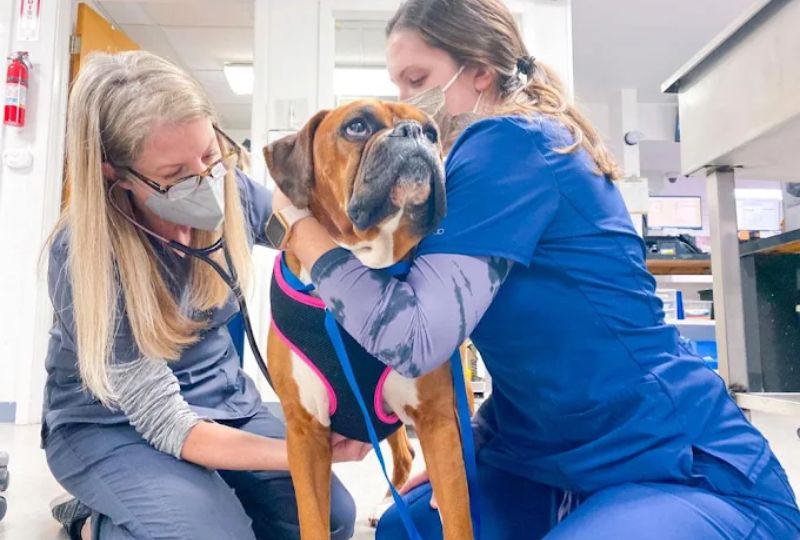
Pets bring joy, love, and companionship into our lives. As pet owners, it’s our responsibility to ensure they live the longest, healthiest lives possible. One of the most effective ways to achieve this is through regular veterinary care. While it’s common to think of the vet only when a pet is ill or injured, consistent visits to a trusted veterinarian can make a world of difference in both preventing disease and supporting long-term health.
In this article, you’ll discover how your vet actively contributes to disease prevention and helps your pet live a longer, more vibrant life.
Routine Wellness Exams Catch Problems Early
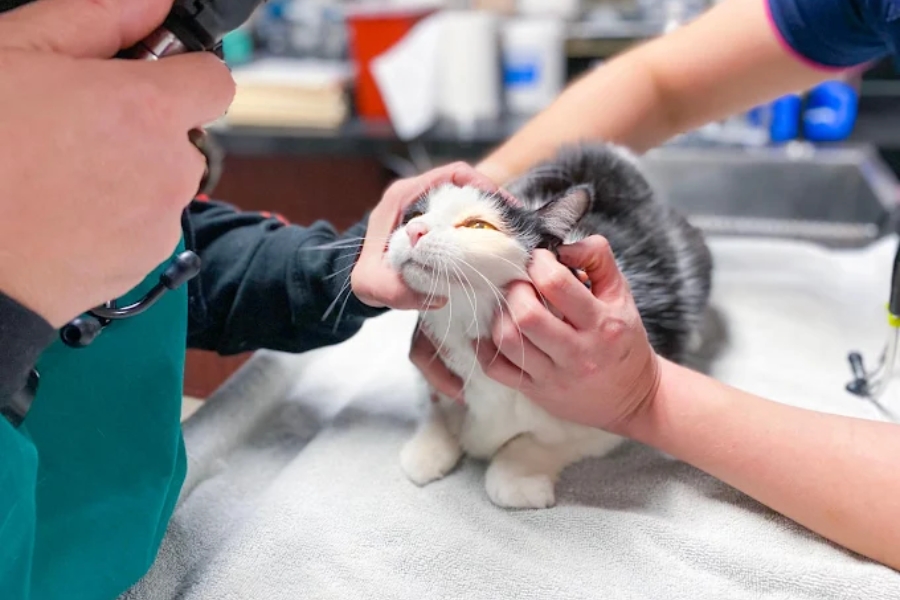
First and foremost, routine wellness exams allow veterinarians to monitor your pet’s overall health. These exams help detect abnormalities that might not be visible to the untrained eye. From checking your pet’s weight and temperature to evaluating heart, lung, and joint health, your vet is equipped to spot early warning signs.
For example, subtle changes in behavior or appetite could signal more serious issues, such as thyroid imbalances or kidney problems. When caught early, these conditions can be managed effectively—sometimes even reversed. Regular exams reduce the chances of a small health issue turning into a major concern.
Vaccinations Protect Against Serious Diseases
Another crucial element of preventive care is vaccination. Vaccines shield your pet from contagious and sometimes fatal diseases like rabies, parvovirus, distemper, and feline leukemia. Your vet develops a customized vaccination schedule based on your pet’s breed, age, lifestyle, and environment.
Importantly, keeping up with vaccinations doesn’t just protect your pet. It also helps safeguard other animals in your community by reducing the spread of infectious diseases. Plus, many boarding facilities, groomers, and public parks require proof of up-to-date vaccinations for entry.
Preventive Parasite Control
Parasites such as fleas, ticks, and heartworms aren’t just nuisances—they’re health threats. Fleas can cause allergic reactions, while ticks are known carriers of Lyme disease. Heartworms, transmitted by mosquitoes, can be fatal if left untreated.
Thankfully, your vet can recommend safe, monthly preventives to guard against these pests. These treatments not only protect your pet but also prevent costly emergency visits later. Regular fecal exams further ensure that intestinal parasites like hookworms or roundworms are detected and treated early.
Dental Health Is Whole-Body Health
Surprisingly, dental care is often overlooked by pet owners, even though it plays a vital role in overall wellness. Periodontal disease, if left untreated, can lead to infections that spread through the bloodstream to major organs such as the heart and kidneys.
Veterinarians perform dental cleanings, check for signs of infection, and offer guidance on at-home dental care. Daily brushing and routine checkups can prevent plaque buildup and keep your pet’s mouth healthy—ultimately boosting their quality of life.
Nutritional Counseling for Optimal Health
Just like in humans, proper nutrition is fundamental to disease prevention in pets. Whether your pet is overweight, underweight, or managing a chronic condition like diabetes or allergies, your vet provides personalized nutrition plans that meet their unique needs.
From recommending high-quality commercial diets to prescribing therapeutic foods, your vet ensures that your pet receives the right balance of nutrients. This not only supports immune health but also improves energy levels and longevity.
Managing Aging and Chronic Conditions
As pets age, their health needs evolve. Older pets are more susceptible to arthritis, cognitive decline, and organ dysfunction. Vets help manage these changes through blood tests, joint supplements, pain management strategies, and diet adjustments.
Moreover, regular senior wellness checks enable early intervention. For instance, detecting early signs of arthritis can lead to physical therapy or medication that keeps your pet mobile and comfortable for years to come.
Behavioral Support and Mental Well-being
Good health isn’t just physical—mental well-being matters too. Anxiety, aggression, or destructive habits may be signs of stress, underlying illness, or environmental issues. Your vet can help uncover the root causes and suggest behavioral strategies or training resources.
When necessary, they may recommend pheromone products, anti-anxiety medications, or refer you to a certified behaviorist. A mentally stimulated and emotionally balanced pet is not only happier but also physically healthier.
Conclusion: Trusted Care Leads to Longer Lives
In summary, your vet is a key partner in your pet’s lifelong health journey. From catching illnesses early to offering personalized nutrition, parasite control, and senior care, veterinary professionals play a vital role in both preventing disease and enhancing longevity.
If you’re committed to giving your pet the best life possible, don’t wait for problems to arise. Schedule regular vet visits, follow their preventive care recommendations, and keep communication open. Veterinarians in Austin, TX are trained to guide you through every stage of your pet’s life, helping ensure more happy, healthy years together.
Frequently Asked Questions (FAQs)
1. How often should I take my pet to the vet?
It’s recommended to take your pet to the vet at least once a year for a routine checkup. However, puppies, kittens, senior pets, and those with health issues may need more frequent visits. Your vet can suggest the right schedule based on your pet’s age and health status.
2. What vaccines are essential for my pet?
Core vaccines like rabies, distemper, and parvovirus are typically necessary for dogs, while cats often require rabies, feline distemper, and calicivirus vaccines. Your vet will personalize the vaccine schedule based on lifestyle, age, and local disease risks.
3. Can regular vet visits really help my pet live longer?
Yes, absolutely. Routine vet care allows early detection of diseases, timely vaccinations, weight management, and parasite control—all of which directly contribute to a longer and healthier life for your pet.
4. What are the signs that my pet might have a health problem?
Changes in appetite, behavior, weight, energy levels, or bathroom habits can be early signs of illness. Bad breath, excessive scratching, or limping are also red flags. If you notice anything unusual, it’s best to consult your vet.
5. How important is dental care for pets?
Dental health is crucial. Poor oral hygiene can lead to infections, tooth loss, and even damage to organs like the heart and kidneys. Regular dental checkups and cleanings prevent these complications and improve overall well-being.
6. What role does nutrition play in disease prevention?
Nutrition is foundational to your pet’s health. A well-balanced diet helps maintain a strong immune system, supports organ function, and prevents obesity-related illnesses. Your vet can recommend the right food based on your pet’s unique needs.
7. How do I choose the right vet for my pet?
Look for a licensed, experienced vet with a good reputation and a caring approach. Ask friends for referrals, check online reviews, and visit the clinic to ensure it’s clean and pet-friendly. Communication and trust are key in a long-term vet relationship.