2239 S. Lamar Blvd. Austin, TX 78704


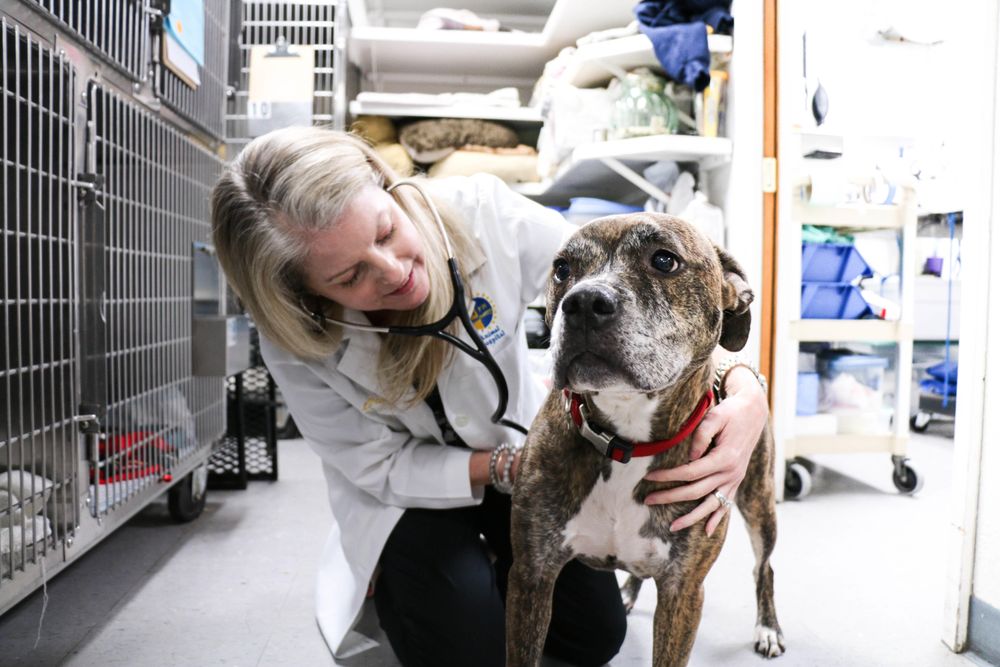
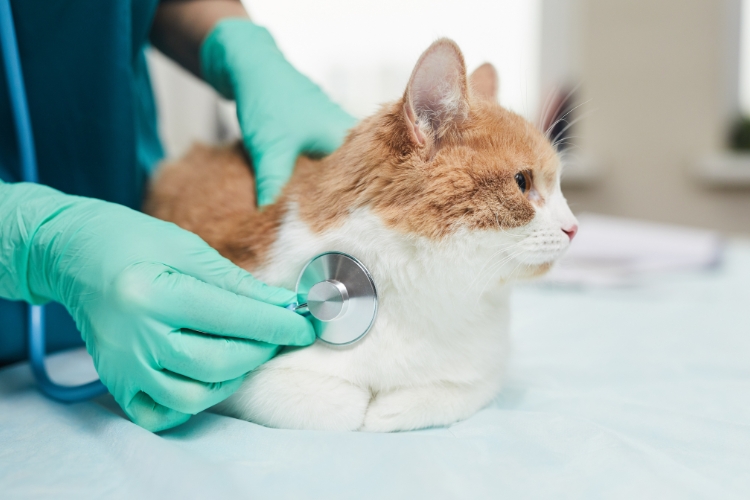
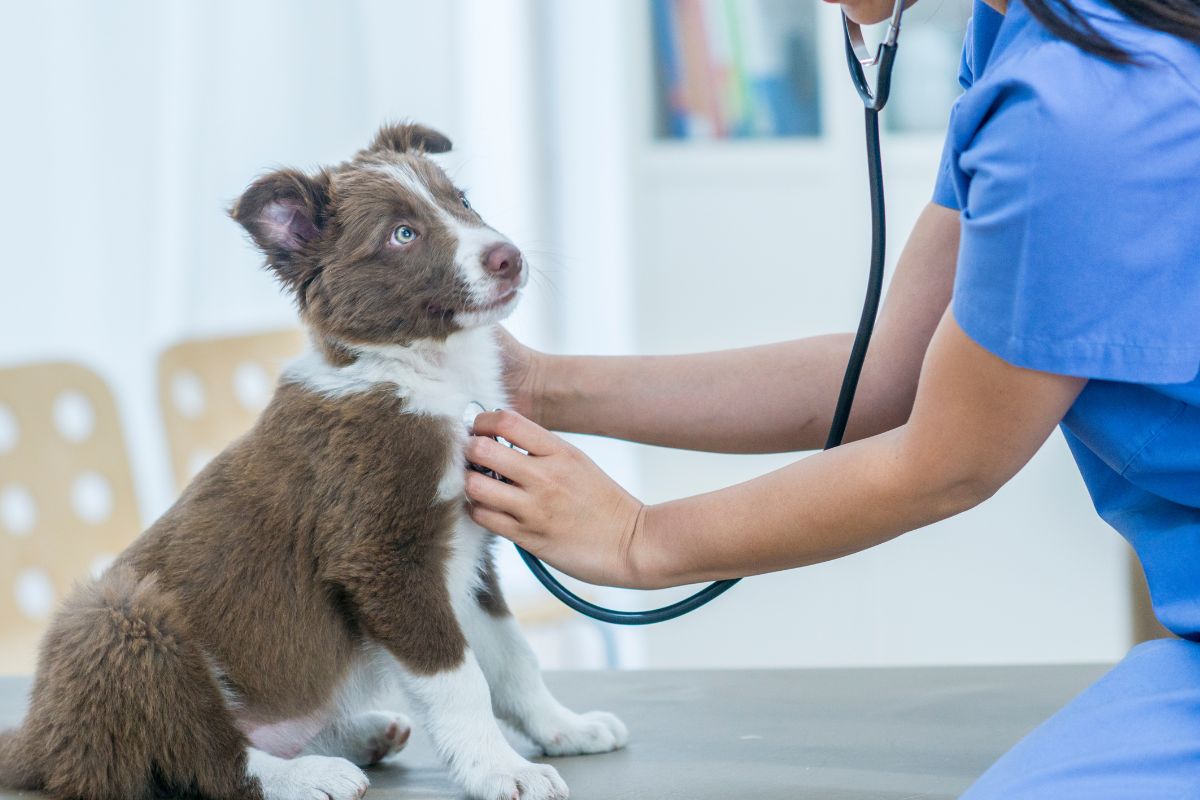
Choosing the right veterinarian near you is one of the most important decisions you’ll make for your dog or cat. A good vet doesn’t just treat illness; they become a long-term partner in your pet’s health and happiness. In this guide, we’ll walk Rollingwood pet owners through practical, local-focused steps to find a vet you can trust, what questions to ask, and what signs to look for so you can feel confident in your choice.
Why Choosing the Right Veterinarian Matters
Your veterinarian plays a key role in your pet’s life, from routine checkups and vaccinations to urgent care and long-term health planning, helping you:
- Catch health issues early
- Provide consistent preventive care
- Guide you through nutrition, behavior, and aging concerns
- Reduce stress for both you and your pet
In a pet-friendly city like Rollingwood, TX, where dogs are part of everyday life and cats are beloved family members, choosing the right clinic for your pet is especially important.
For Pet Owners Across Rollingwood and Nearby Neighborhoods
When searching for a trusted veterinarian near you, choosing a clinic that understands your local community makes a real difference. Pet owners in Rollingwood, West Lake Hills, Sunset Valley, South Lamar, and West Oak Hill benefit from working with a veterinary team that’s familiar with the lifestyle, environment, and common pet health concerns across these areas.
From active dogs that enjoy Rollingwood’s trails and green spaces to indoor cats needing preventive care year-round, having a nearby veterinary clinic means easier access to routine visits, faster care during urgent situations, and stronger long-term relationships. A locally focused vet can also help address regional issues like seasonal allergies, parasites, and heat-related risks common in Central Texas.
Ask for Personal Recommendations
Word-of-mouth referrals are powerful. Ask:
- Friends and family in Rollingwood
- Dog park regulars
- Pet groomers or trainers
- Local rescue groups or shelters
Pet professionals often know which veterinary clinics provide reliable, ethical care and which ones go the extra mile.
Check Credentials and Experience
A trusted animal doctor should be properly licensed and experienced with both dogs and cats. You can usually find this information on the clinic’s website or by calling directly.
Look for:
- Licensing and qualifications in Texas
- Continuing education or special interests (senior pets, dental care, preventive care)
- Experience with your specific pet type or breed
While advanced certifications are a bonus, what matters most is practical experience and a commitment to ongoing learning.
Visit the Clinic Before You Commit
Scheduling a first visit or wellness exam is a great way to see if a clinic is the right fit. Pay attention to how you and your pet are treated.
During your visit, notice:
- Is the clinic clean and well-organized?
- Are staff members welcoming and patient?
- Does the vet explain things clearly?
- Do they take time to answer your questions?
A trusted animal doctor won’t rush you and will make sure you understand your pet’s health needs.
Evaluate Communication Style
Clear communication is one of the biggest signs of a good veterinarian. You should feel comfortable asking questions and discussing concerns, ensuring that they:
- Explain diagnoses in simple terms
- Discuss treatment options honestly
- Be upfront about costs
- Offer preventive care advice, not just treatments
If you feel talked down to or dismissed, it may not be the right clinic for you.
Look for Preventive and Wellness-Focused Care
The best veterinary clinics focus on keeping pets healthy, not just treating them when they’re sick. Preventive care helps your dog or cat live a longer, happier life.
Services to look for include:
- Routine wellness exams
- Vaccinations
- Parasite prevention
- Dental care guidance
- Nutrition and weight management advice
Clinics like Parker Animal Care focus on building long-term relationships with Rollingwood pet owners by emphasizing preventive care and education, helping pets stay healthy year-round.
Consider Emergency and After-Hours Options
Ask how the clinic handles emergencies or after-hours care. Even if they don’t offer emergency services on-site, a trusted vet will:
- Provide clear emergency referrals
- Communicate with local emergency clinics
- Help coordinate follow-up car
Knowing your options ahead of time can save valuable time during a stressful situation.
Assess Comfort for Your Pet
Your dog or cat’s comfort matters just as much as medical expertise. A good clinic environment reduces fear and stress.
Signs your pet feels comfortable:
- Staff handles pets gently
- Treatment is done at your pet’s pace
- Calming techniques are used for anxious pets
Especially for cats or nervous dogs, a calm and patient approach makes a big difference.
Compare Costs, But Don’t Choose Based on Price
Affordable care is important, but the cheapest option isn’t always the best. You should always seek a clinic that offers fair pricing with transparent explanations.
Look for clinics that:
- Provide written estimates
- Explain treatment priorities
- Offer preventive options to reduce future costs
Value comes from quality care, not shortcuts.
Finding a trusted veterinarian near you for your dog or cat doesn’t have to be overwhelming. By researching locally, asking for recommendations, visiting clinics, and paying attention to communication and the quality of care, Rollingwood pet owners can confidently choose a veterinary partner they trust. If you’re looking for compassionate, reliable pet care in Rollingwood, schedule an appointment with Parker Animal Care and take the first step toward lifelong health for your furry family member.
FAQs
Q1: How do I know if a veterinarian is trustworthy?
Ans. A trustworthy veterinarian communicates clearly, answers your questions, provides transparent pricing, and treats your pet with care and patience.
Q2: How often should my dog or cat see a veterinarian?
Ans. Most pets should have a wellness exam at least once a year, while senior pets may benefit from twice-yearly visits.
Q3: Is it okay to switch veterinarians if I’m not happy?
Ans. Yes, switching vets is common and completely acceptable if you feel your pet’s needs aren’t being met.
Q4: What questions should I ask a new veterinarian?
Ans. Ask about preventive care, emergency options, treatment philosophy, and how they communicate test results and costs.
Q5: Should I choose a veterinarian close to home?
Ans. Yes, choosing a local animal doctor makes routine visits and emergency care more convenient and less stressful.