2239 S. Lamar Blvd. Austin, TX 78704


Maintaining your dog’s oral health is crucial for their overall well-being. Unfortunately, many pet owners overlook dental care, which can lead to serious health issues such as gum disease, tooth decay, and even heart problems. Luckily, cleaning your dog’s teeth at home can be straightforward when you know the right techniques. In this guide, we’ll walk you through everything you need to know to keep your dog’s smile healthy and bright.
Why Dog Dental Care Matters
Just like humans, dogs are susceptible to plaque and tartar buildup. Over time, these deposits can cause bad breath, inflamed gums, and painful dental diseases. Additionally, oral bacteria can enter the bloodstream, affecting the heart, liver, and kidneys. Therefore, routine dental care is not just about a sparkling smile—it’s about preventing systemic health issues.
By cleaning your dog’s teeth at home, you can reduce veterinary visits, save on costly procedures, and most importantly, keep your furry friend comfortable and healthy.
Tools You’ll Need to Clean Your Dog’s Teeth at Home
Before you begin, gather the right supplies:
-
Dog toothbrush: Choose a brush designed specifically for dogs, preferably with soft bristles. Finger brushes are ideal for beginners.
-
Dog toothpaste: Never use human toothpaste, as it contains fluoride and xylitol, which are toxic to dogs. Look for enzymatic toothpaste made for pets.
-
Dental chews or toys: These can help maintain oral health between brushings.
-
Towel or treats: Useful for keeping your dog calm and rewarding positive behavior.
Having all tools ready ensures a smooth and stress-free process.
Step-by-Step Guide to Brushing Your Dog’s Teeth
Step 1: Introduce Your Dog to the Toothbrush
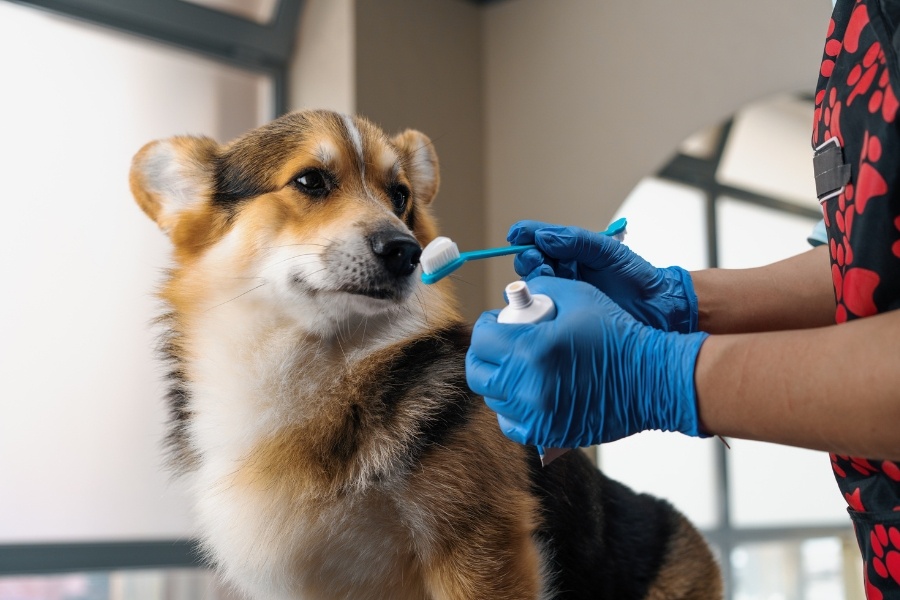
Begin by letting your dog sniff and lick the toothbrush. Apply a small amount of dog-friendly toothpaste so they associate it with a positive experience. Praise them and offer a treat afterward. This step builds familiarity and reduces anxiety.
Step 2: Start Slowly
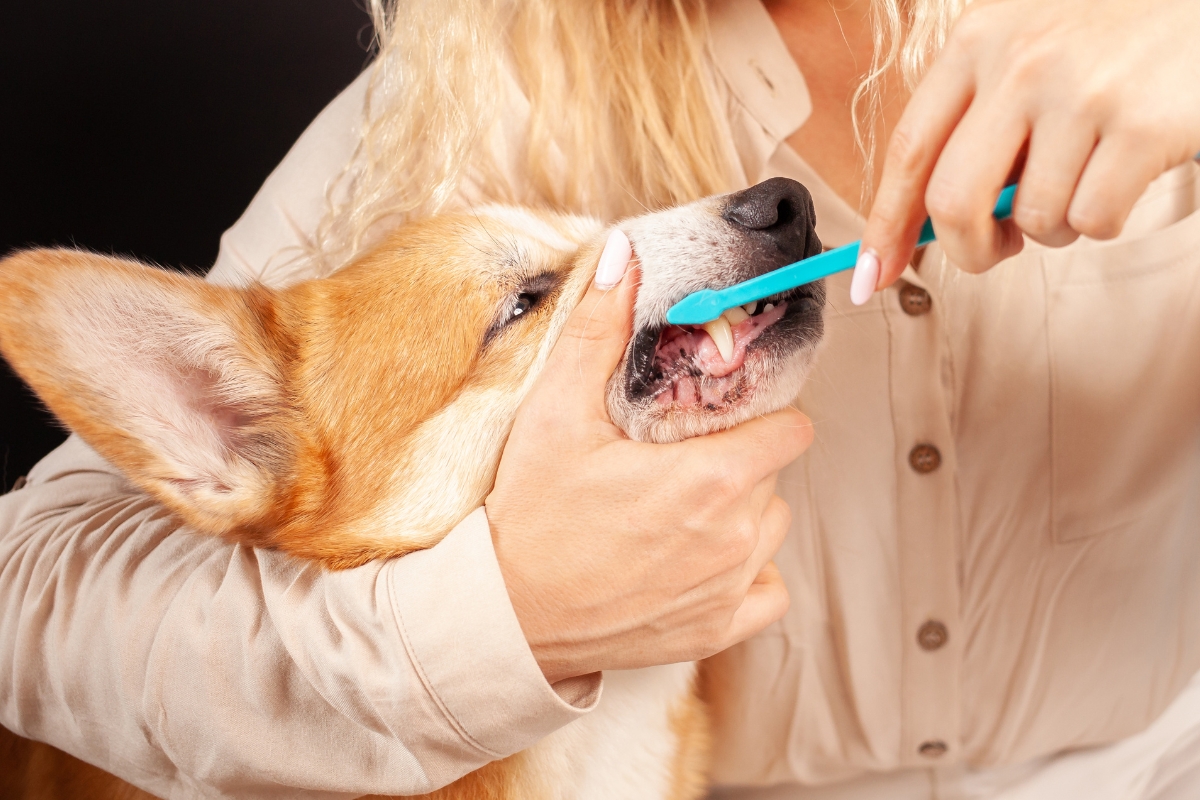
Start brushing one or two teeth at a time. Gently lift their lips and brush in small circular motions. Focus on the outer surfaces first, as most plaque accumulates there. Avoid forcing your dog; patience is key.
Step 3: Brush the Entire Mouth
Gradually work your way to all teeth, including molars. Use a calm voice and slow movements to keep your dog relaxed. Make sure to cover both upper and lower teeth, spending around 30 seconds to one minute per session.
Step 4: Use Dental Chews or Toys
After brushing, offer dental chews or toys. They help reduce plaque buildup and make oral care a rewarding experience. Chewing also strengthens your dog’s jaw muscles and prevents boredom.
Step 5: Establish a Routine
Consistency is crucial. Brush your dog’s teeth at least 2-3 times a week. Over time, your dog will become accustomed to the routine, making brushing easier and more effective.
Additional Tips for Effective Dog Dental Care
-
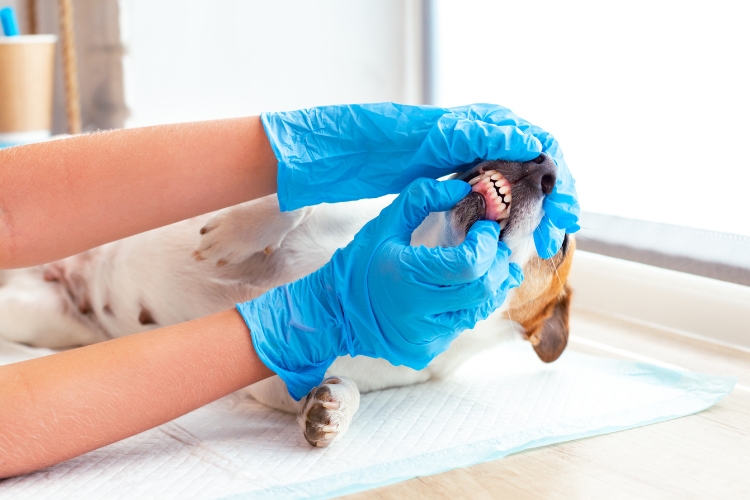
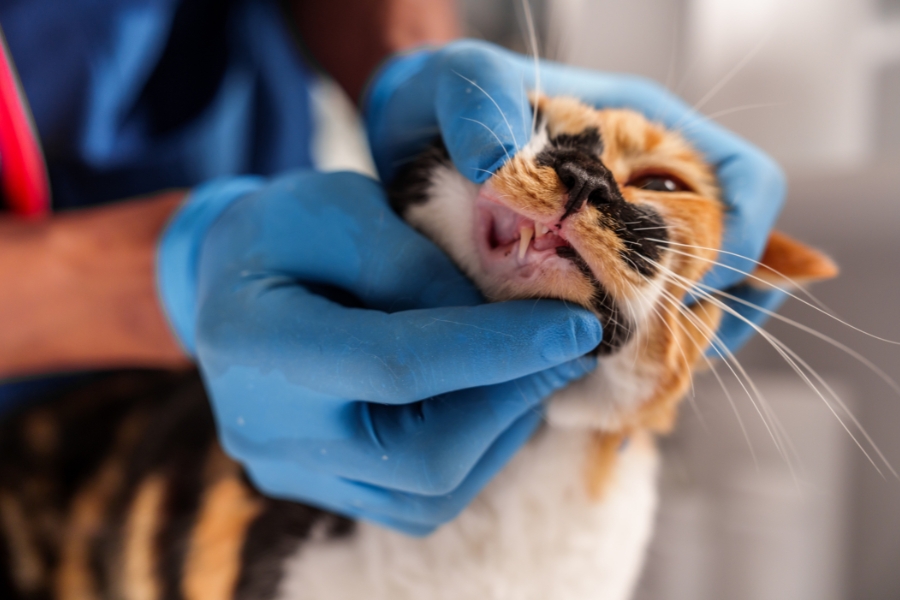
Check for signs of dental problems: Bad breath, red gums, loose teeth, and difficulty eating are warning signs. Consult your veterinarian if you notice any of these.
-
Use water additives: Certain additives help reduce plaque buildup and freshen breath.
-
Schedule professional cleanings: Even with regular home care, professional dental cleanings are essential to remove tartar below the gumline.
-
Healthy diet: Feed your dog a balanced diet and include crunchy foods to naturally clean teeth.
By combining brushing, chews, and professional care, you can significantly improve your dog’s oral health and prevent serious complications.
Common Mistakes to Avoid
-
Using human toothpaste: Always use dog-specific toothpaste.
-
Brushing too aggressively: Gentle circular motions are best to prevent gum injury.
-
Brushing irregularly: Consistency matters more than intensity.
-
Ignoring molars: Plaque often builds up in the back teeth.
-
Forcing the dog: Patience and positive reinforcement yield better results.
Avoiding these mistakes ensures a safe and pleasant dental care routine for your dog.
In conclusion, regular dental care at home is essential for your dog’s health. By following the steps outlined in this guide, you can prevent dental disease, reduce vet visits, and ensure a long, happy life for your furry friend. For pet owners in Austin, TX, incorporating dog dental care in Austin TX, can make a big difference in maintaining your dog’s oral health and overall well-being. With patience, consistency, and the right tools, you can give your dog a bright smile and a healthier life.
FAQs
Q1. How often should I brush my dog’s teeth?
Ans. Ideally, brush your dog’s teeth 2-3 times per week. Daily brushing is optimal if possible.
Q2. Can I use human toothpaste for my dog?
Ans. No. Human toothpaste contains fluoride and xylitol, which are toxic to dogs. Always use dog-safe toothpaste.
Q3. What if my dog hates brushing?
Ans. Start slowly and use finger brushes or your finger wrapped in gauze. Reward your dog with treats and praise to build positive associations.
Q4. Are dental chews enough to clean my dog’s teeth?
Ans. Dental chews help, but they do not replace brushing. They are best used as a supplement.
Q5. When should I see a vet for my dog’s teeth?
Ans. If you notice bad breath, red or bleeding gums, loose teeth, or difficulty eating, consult a veterinarian immediately.
Q6. Can puppies have their teeth brushed?
Ans. Yes. Start brushing early to establish a routine. Use gentle brushes and small amounts of puppy-safe toothpaste.