2239 S. Lamar Blvd. Austin, TX 78704


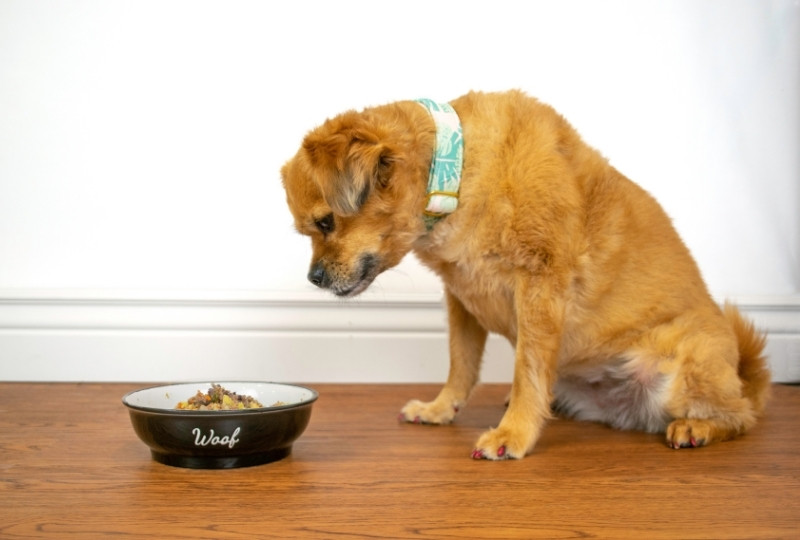
As dogs grow older, their needs change in ways that are not always obvious. You may notice slower movement, changes in appetite, or less enthusiasm during mealtimes. While aging is natural, the right nutrition plays a major role in how comfortably your dog enters their senior years. Therefore, understanding what to feed an aging dog helps support health, mobility, and daily comfort.
Senior dog nutrition is not about feeding less food. Instead, it is about feeding smarter. With the right balance of nutrients, you can help your dog stay active, maintain a healthy weight, and feel better overall.
Understanding Nutritional Changes in Senior Dogs
As dogs age, their metabolism slows down. Consequently, they burn fewer calories than they did in their younger years. At the same time, digestion may become less efficient. Because of this, the body absorbs nutrients more slowly.
In addition, muscle mass tends to decrease while body fat increases. Joint stiffness, dental concerns, and chronic conditions may also develop. For these reasons, nutrition must support multiple systems at once.
Rather than sticking to a one-size-fits-all diet, senior dogs benefit from meals designed to match their changing bodies.
Protein Still Matters, but Quality Is Key
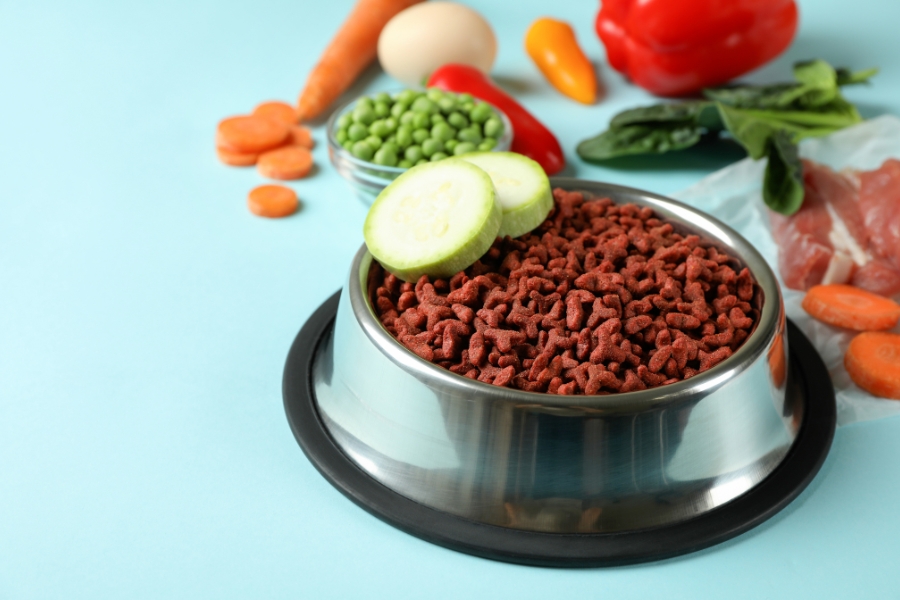
Many dog owners assume older dogs need less protein. However, that belief is outdated. In fact, senior dogs need high-quality protein to maintain muscle strength and support immune health.
What matters most is digestibility. Easily digestible animal proteins such as chicken, turkey, fish, or eggs allow the body to absorb nutrients without putting stress on the digestive system. Therefore, look for foods where protein comes from clear, named sources rather than vague meat by-products.
However, portion control remains important. Feeding the right amount prevents unwanted weight gain while still preserving lean muscle.
Healthy Fats Support the Aging Body
While excessive fat can lead to weight gain, healthy fats remain essential for senior dogs. In particular, omega-3 fatty acids help reduce inflammation and support joint, brain, and heart health.
For example, fish oil and flaxseed oil are common sources of omega-3s. These fats also improve skin health and coat condition, which often decline with age.
That said, balance matters. Too much fat can upset digestion, so senior dog foods should contain moderate, controlled fat levels.
Carbohydrates Should Be Easy to Digest
Senior dogs still need carbohydrates, but the source makes a difference. Complex carbohydrates such as brown rice, oats, barley, and sweet potatoes provide steady energy without causing blood sugar spikes.
At the same time, fiber becomes increasingly important. Adequate fiber supports digestion, helps regulate bowel movements, and promotes gut health. Therefore, ingredients like pumpkin, beet pulp, and peas often benefit aging dogs.
Avoid foods heavy in fillers or refined grains, as these provide little nutritional value and may cause digestive discomfort.
Vitamins and Minerals for Aging Support
As dogs age, their bodies require extra support from key vitamins and minerals. For instance:
-
Calcium and phosphorus help maintain bone strength
-
Vitamins E and C support immune health
-
B vitamins assist with energy metabolism
-
Zinc supports skin and coat health
Additionally, antioxidants play a critical role. They help fight oxidative stress, which increases with age and contributes to chronic disease.
A well-balanced senior dog diet includes these nutrients in appropriate amounts without excessive supplementation.
Joint Support Becomes a Priority
Joint stiffness and arthritis are common concerns in senior dogs. Therefore, nutrition should actively support mobility.
Many senior dog foods include glucosamine and chondroitin, which help maintain joint cartilage. Omega-3 fatty acids further reduce inflammation around joints.
While supplements may help in some cases, quality senior dog food often provides these nutrients naturally. Always introduce changes gradually to avoid digestive upset.
Dental Health and Food Texture
Dental issues often affect older dogs. As teeth weaken or gums become sensitive, chewing hard food may become uncomfortable.
In these cases, softer food textures may help. For example, wet food or softened kibble makes eating easier while still delivering balanced nutrition. However, dental health remains important, so maintaining proper oral care alongside diet adjustments is essential.
If your dog suddenly avoids food, it may indicate dental discomfort rather than picky eating.
Portion Control and Feeding Schedule
Overfeeding is a common issue in senior dogs. Since calorie needs decrease, portion sizes often need adjustment.
Rather than free-feeding, scheduled meals help regulate intake and digestion. Additionally, smaller, more frequent meals may improve comfort for dogs with sensitive stomachs.
Monitoring body condition regularly allows you to adjust portions before weight changes become a problem.
Signs Your Senior Dog’s Diet Needs Adjustment
Even with a quality diet, changes may be necessary over time. Watch for signs such as:
-
Unexplained weight gain or loss
-
Reduced energy levels
-
Digestive issues like constipation or diarrhea
-
Dull coat or dry skin
-
Difficulty chewing or swallowing
If these signs appear, reviewing your dog’s nutrition is an important first step.
Transitioning to a Senior Diet Safely
Switching foods too quickly can upset digestion. Therefore, gradual transitions work best.
Start by mixing small amounts of the new food with the current diet. Over seven to ten days, slowly increase the new food while decreasing the old one. This method allows the digestive system to adjust comfortably.
Patience during this transition helps prevent unnecessary stomach issues.
Nutrition Supports Quality of Life
Senior dog nutrition is not just about longevity. It directly impacts comfort, mobility, mental sharpness, and daily enjoyment.
By choosing foods that support digestion, joints, and overall wellness, you help your dog stay active and engaged well into their later years. Thoughtful nutrition, combined with regular health checkups, plays a powerful role in aging gracefully.
Feeding your senior dog the right diet is one of the most meaningful ways to support their health and happiness. With proper nutrition, aging does not have to mean discomfort or decline. Instead, it becomes a stage of life focused on comfort, balance, and care.
If you are exploring senior dog care in Austin, TX, professional guidance can help you tailor nutrition to your dog’s specific needs. A thoughtful approach to diet today can make a lasting difference in your dog’s quality of life tomorrow.
Frequently Asked Questions
Q1. What age is considered senior for dogs?
Ans. Most dogs are considered senior between seven and ten years old, depending on breed and size. Larger breeds tend to age faster than smaller ones.
Q2. Should senior dogs eat less food?
Ans. Senior dogs often need fewer calories, but they still require nutrient-dense meals. Portion control matters more than simply feeding less food.
Q3. Is wet food better for older dogs?
Ans. Wet food can be helpful for dogs with dental issues or reduced appetite. However, balanced nutrition matters more than food texture alone.
Q4. Do senior dogs need supplements?
Ans. Some senior dogs benefit from supplements like omega-3s or joint support. However, many quality senior foods already include these nutrients.
Q5. How often should senior dogs eat?
Ans. Most senior dogs do well with two meals daily. In some cases, smaller, more frequent meals improve digestion and comfort.
Q6. Can homemade food work for senior dogs?
Ans. Homemade diets can work if properly balanced. However, they require careful planning to ensure all nutritional needs are met.