2239 S. Lamar Blvd. Austin, TX 78704


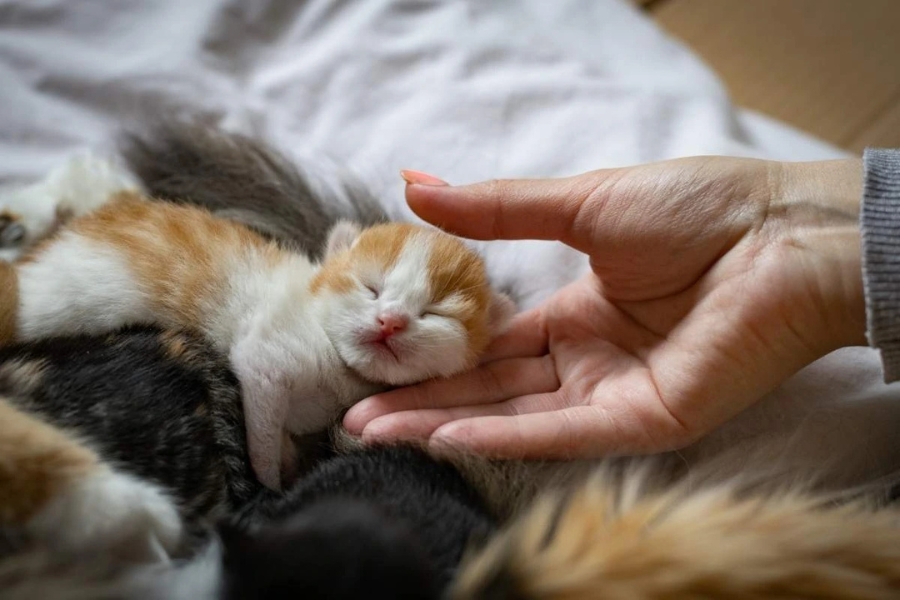
Bringing home a new kitten is an exciting and heartwarming experience. These tiny bundles of energy quickly become cherished members of the family. However, caring for a kitten requires more than just cuddles and playtime. Young cats need proper nutrition, regular veterinary care, a safe environment, and consistent attention to grow into healthy adult cats.
Understanding the basics of kitten care helps new pet owners feel confident and prepared. From feeding schedules and litter training to socialization and health monitoring, every aspect of early care plays a role in shaping your kitten’s long-term well-being.
For new pet parents in Austin, TX, having access to reliable veterinary guidance and trusted local resources can make the transition into kitten ownership much smoother. This blog is especially for Austin, TX residents, including those in neighborhoods like Rollingwood, West Lake Hills, Sunset Valley, South Lamar, and West Oak Hill.
In this guide, you’ll learn practical tips every pet owner should know to raise a happy, healthy kitten.
1. Setting Up a Safe Space for Your Kitten
Before bringing your kitten home, it’s crucial to create a safe and comfortable environment. Kittens are naturally curious, and they may feel anxious or scared in their new surroundings. A quiet, enclosed space will help them adjust to their new life.
-
Create a Comfortable Bed: Provide a soft bed or blanket where your kitten can rest comfortably. A bed with high sides can provide a sense of security.
-
Kitten-Proof the Room: Remove any hazards, such as electrical cords, sharp objects, or small items that could be swallowed.
-
Provide Litter Box Access: Ensure your kitten has easy access to a clean litter box, which is essential for their potty training.
2. Feeding Your Kitten
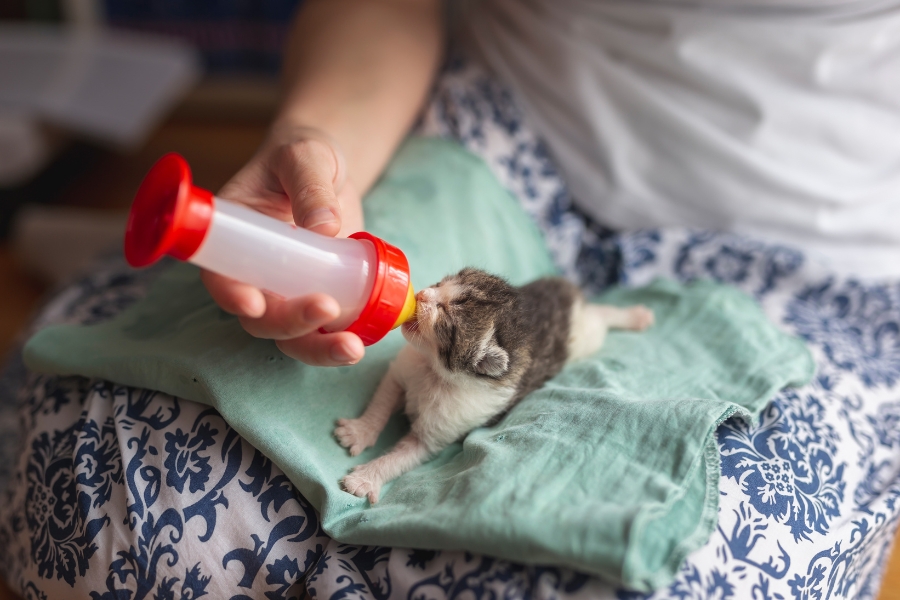
Proper nutrition is key to your kitten’s growth and development. Kittens have different dietary needs than adult cats, so it’s essential to provide food that is formulated for their age.
-
Choose High-Quality Kitten Food: Select a kitten food that is rich in protein and nutrients. Wet food is often easier for kittens to eat, but dry food can also be introduced as they grow older.
-
Frequent Feedings: Kittens need to eat more frequently than adult cats. In their early weeks, they should be fed 3-4 times a day. As they grow, you can reduce the frequency to 2-3 meals a day.
-
Hydration is Key: Always provide fresh water to your kitten, especially if they are eating dry food.
3. Grooming Your Kitten
Though kittens are generally clean, they still need regular grooming to stay healthy. Depending on their breed and coat type, your kitten may need different grooming routines.
-
Brushing: Start brushing your kitten’s fur gently from a young age to get them used to the process. Regular brushing helps prevent matting and reduces shedding.
-
Bathing: Kittens don’t typically need baths unless they get dirty or develop skin conditions. If you do need to bathe your kitten, use a kitten-friendly shampoo.
-
Ear and Nail Care: Regularly check your kitten’s ears for dirt or wax buildup. Trim their nails carefully to prevent scratching accidents.
4. Health Care and Vet Visits
Taking care of your kitten’s health is crucial for ensuring they have a long, happy life. In Austin, TX, it’s essential to find a reliable veterinarian who specializes in kitten care. At Parker Animal Care, our team is equipped to provide top-notch care for your new kitten.
-
First Vet Visit: Schedule a vet appointment as soon as you bring your kitten home. Your vet will conduct a thorough checkup, ensure vaccinations are up to date, and recommend any necessary treatments.
-
Vaccinations and Deworming: Kittens need vaccinations to protect them from diseases like feline distemper and calicivirus. Your vet will also recommend deworming to prevent parasites.
-
Spaying or Neutering: It’s recommended to spay or neuter your kitten at around 6 months of age. This prevents unwanted pregnancies and can help reduce certain behavioral issues.
5. Litter Box Training
Litter box training is one of the most important aspects of kitten care. Fortunately, most kittens instinctively know how to use the litter box, but a little guidance can help them settle in faster.
-
Choose the Right Litter: Some kittens may prefer clumping litter, while others may like non-clumping options. Experiment with different types to see what your kitten prefers.
-
Clean the Litter Box Regularly: Kittens are sensitive to smells and may refuse to use a dirty litter box. Scoop the box at least once a day and clean it thoroughly once a week.
-
Encourage Use: Place your kitten in the litter box after meals and naps, as these are the times they’re most likely to need to go.
6. Playtime and Socialization
Kittens are playful and curious, which means they need plenty of physical and mental stimulation. Playtime helps them develop important skills and strengthens the bond between you and your kitten.
-
Interactive Toys: Provide a variety of safe toys, such as feather wands, balls, and scratching posts. This will keep your kitten entertained and engaged.
-
Training: Start basic training early. Teaching your kitten commands like “sit” or “come” is a fun way to bond and help them learn.
-
Socializing with Other Pets: If you have other pets, introduce them to your kitten slowly and under supervision to ensure a smooth transition.
Taking care of a kitten is a rewarding experience, but it comes with responsibilities. From feeding and grooming to ensuring proper health care, every step is important to your kitten’s well-being. By following these tips, you can give your new kitten the best start in life.
If you’re in Austin and looking for kitten care near you, schedule an appointment with Parker Animal Care. Our veterinary team is here to provide your kitten with the care and attention they deserve. Whether you’re in Rollingwood, West Lake Hills, Sunset Valley, South Lamar, or West Oak Hill, we’re committed to keeping your kitten healthy and happy.
FAQs
-
How often should I feed my kitten?
Kittens should be fed 3-4 times a day during their early weeks. As they grow, you can reduce it to 2-3 meals a day. -
When should I take my kitten to the vet?
Schedule a vet visit as soon as you bring your kitten home. Regular checkups, vaccinations, and parasite treatments are essential. -
How can I litter box train my kitten?
Place your kitten in the litter box after meals and naps, and keep the box clean. Most kittens instinctively know how to use it. -
Do kittens need to be spayed or neutered?
Yes, spaying or neutering is recommended at around 6 months of age to prevent unwanted pregnancies and reduce certain behavioral issues. -
What should I do if my kitten isn’t eating?
If your kitten is not eating, it could be a sign of an underlying health issue. Contact your vet immediately for advice. -
How can I help my kitten adjust to my home?
Provide a quiet, safe space for your kitten to settle in. Be patient and allow them time to explore their new surroundings at their own pace.