2239 S. Lamar Blvd. Austin, TX 78704


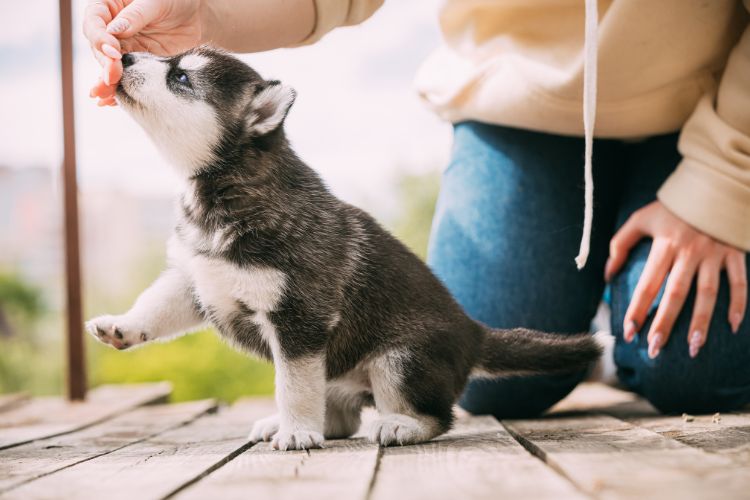
As a dog owner, understanding your pet’s behavior is crucial to ensuring a happy, well-adjusted companion. However, it can be difficult to know exactly what your dog needs at every stage of their life, which is where the 7-7-7 rule for dogs becomes helpful. By focusing on specific developmental milestones, this rule helps you address key aspects of your dog’s behavior and growth.
If you’re a dog owner in Austin, TX, and looking to improve your dog’s behavior, this blog is especially for you. The 7-7-7 rule provides valuable guidance on how different experiences during your dog’s life impact their overall behavior. Whether you’re training a puppy or managing an adult dog’s challenges, understanding these stages will help you provide puppy care that supports your pet’s emotional and physical development. This guide explores how the 7-7-7 rule can make a real difference in your dog’s behavior and well-being.
Explore the Core Concept of the 7-7-7 Rule
The 7-7-7 rule is based on the idea that certain aspects of your dog’s behavior and growth should be addressed at specific stages of their life.
- 7 Surfaces: Exposure to different surfaces, such as grass, tile, or concrete, helps build physical coordination and confidence.
- 7 Objects: Playing with various objects, from toys to household items, encourages mental stimulation and proper behavior.
- 7 Locations: Introducing your dog to different places, like your yard or public spaces, helps them adapt to new environments.
- 7 People: Interactions with various people, including adults, children, and strangers, help prevent fear and build socialization skills.
- 7 Challenges: Facing obstacles such as stairs or tunnels builds your dog’s problem-solving abilities and physical confidence.
- 7 Food Sources/Places: Eating from different containers and locations helps prevent food-related anxiety and encourages healthy eating habits.
7 Surfaces: Building Physical Confidence and Adaptability
Exposure to a variety of surfaces helps your dog build physical confidence and learn to navigate different environments. Each surface helps your dog adapt to different environments, making them more confident in their physical abilities.
- Grass: A soft surface that encourages your dog to walk, run, and explore. Puppies need to learn balance and control.
- Gravel: An uneven surface that builds your dog’s muscle strength and teaches them to be cautious while walking.
- Tile: A slippery surface that encourages your dog to adjust their movements and develop coordination.
- Carpet: A soft, stable surface that provides traction and stability, helping your dog feel secure while walking.
- Wood: A smooth surface that requires your dog to use their legs and paws in a controlled manner.
- Vinyl: Similar to tile, vinyl surfaces present challenges that help dogs learn to move steadily across different ground types.
- Concrete: A hard surface that tests your dog’s endurance and foot strength while walking.
7 Objects: Encouraging Healthy Play and Mental Stimulation
Engaging with different objects helps your dog develop important social and problem-solving skills. Playtime is essential for mental stimulation and preventing boredom, which can lead to behavioral issues.
- Ropes: Perfect for interactive play, such as tug-of-war, which helps strengthen your dog’s jaw and promotes healthy play.
- Plush Toys: Soft toys provide comfort and are excellent for relaxation or gentle play, promoting emotional well-being.
- Hard Plastics: Durable and suitable for chewing, helping with dental health while keeping your dog engaged.
- Metal Items: Stimulate your dog’s mind with toys that produce sounds or provide tactile feedback.
- Soft Toys: Provide comfort and security for your dog, especially during relaxation periods or when they need a soothing object.
- Interactive Toys: Puzzle toys promote problem-solving and mental stimulation, preventing boredom and destructive behavior.
- Chew Bones: Excellent for keeping your dog’s teeth healthy while providing mental and physical stimulation.
7 Locations: Promoting Positive Socialization and Adaptability
Introducing your dog to different locations is essential for building their adaptability and confidence. Dogs who are exposed to various environments tend to be more relaxed and better adjusted to new situations.
- The Yard: A safe, familiar space where your dog can explore freely. It’s a great place for early training and confidence-building.
- The Kitchen: Helps your dog learn to stay calm in a busy food-preparation area, which can help prevent food aggression.
- The Garage: A new environment that exposes your dog to different smells and sounds, helping them adjust to more complex settings.
- The Crate: A designated space for rest, crate training helps your dog feel secure and learn good behavior.
- Parks: A place to socialize with other dogs and people, parks are great for improving your dog’s social skills and adaptability.
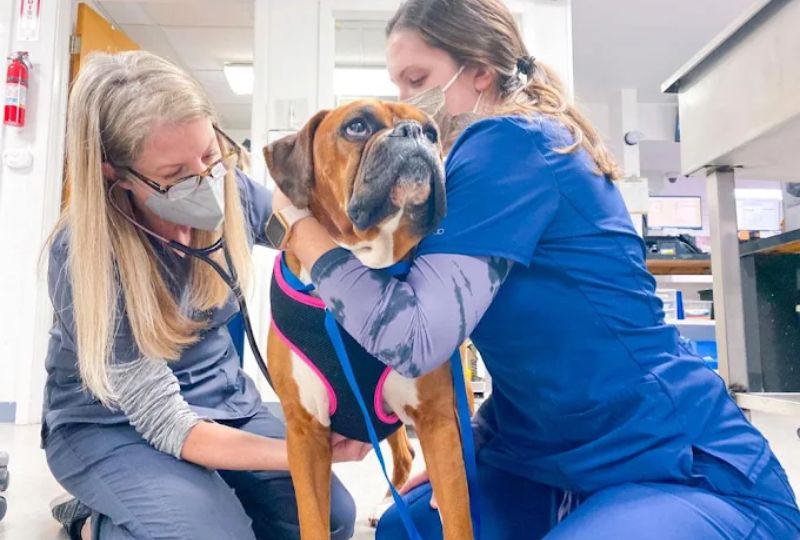
- Veterinary Offices: Regular visits to the vet help your dog become accustomed to medical environments, reducing stress during check-ups.
- Other Homes: Taking your dog to different homes or social settings allows them to become comfortable with new places and people.
7 People: Building Positive Socialization Skills
Socializing your dog with different people is crucial for fostering positive interactions and reducing fear-based reactions. The more people your dog interacts with, the better their social skills will be.
- Children: Early exposure to children helps your dog develop positive relationships with young people, preventing fear or aggression.
- Seniors: Interaction with seniors teaches your dog how to be gentle and calm around older individuals.
- Adults: Meeting various adults ensures your dog can adapt to different energy levels and personalities.
- Guests and Strangers: Regular interaction with guests helps your dog remain calm and confident when visitors come over.
- Other Dogs: Socializing with other dogs helps prevent behavioral issues and improves canine etiquette.
- Veterinarians: Early and regular visits to the vet help your dog become comfortable with veterinarians, reducing stress during check-ups.
- Family Friends: Familiarity with family friends ensures your dog is well-socialized and adaptable to new people in their life.
7 Challenges: Developing Confidence Through Obstacles
Exposing your dog to challenges builds confidence, problem-solving abilities, and physical strength, helping your dog navigate new situations with ease.
- Climbing Stairs: Encourages physical strength and coordination as your dog learns to navigate different heights.
- Going Through Tunnels: Builds confidence and problem-solving skills as your dog learns to overcome obstacles.
- Walking on Wobbly Surfaces: Teaches balance and resilience, helping your dog adapt to unstable environments.
- Overcoming Obstacles: Engaging with physical barriers helps your dog develop problem-solving skills and adaptability.
- Lifting Legs on Command: Strengthens your dog’s muscles and coordination while enhancing their physical abilities.
- Swimming: Provides a full-body workout and promotes confidence in the water.
- Walking in Busy Areas: Helps your dog adjust to crowds and distractions, keeping them calm and focused.
7 Food Sources/Places: Promoting Healthy Eating Habits
Introducing your dog to different food sources and places where they eat helps promote healthy eating habits and prevents food-related anxiety or aggression.
- Eating from Metal Bowls: Durable and easy to clean, metal bowls provide a stable feeding environment.
- Eating from Plastic Bowls: Lightweight and portable, plastic bowls are often used for feeding, but should be cleaned regularly.
- Eating from Ceramic Bowls: Heavy and stable, ceramic bowls are ideal for dogs that tend to move their bowls around.
- Eating in Different Locations: Varying your dog’s eating locations helps prevent food guarding behaviors and promotes relaxation.
- Puzzle Feeders: Engage your dog’s mind while eating, turning mealtime into an enjoyable challenge.
- Eating Alone or With Others: Teaching your dog to eat both alone and with others helps promote healthy eating habits and socialization.
- Treating in Different Settings: Offering treats in various locations helps your dog develop positive associations with different environments.
Transforming Your Dog’s Behavior With the 7-7-7 Rule
The 7-7-7 rule offers a comprehensive approach to raising a well-behaved, confident dog. By exposing your dog to various surfaces, objects, locations, people, challenges, and food sources, you provide them with the experiences they need to grow into a well-adjusted adult. The key is to balance socialization, mental stimulation, and physical activity to create a harmonious environment for your dog.
If you’re in Austin and looking for guidance on improving your dog’s behavior, book an appointment with Parker Animal Care. Our veterinarians can help you understand your dog’s developmental needs and provide personalized care. Call us today to get tailored advice for enhancing your dog’s well-being!
FAQs
- How does the 7-7-7 rule help my dog’s behavior?
The 7-7-7 rule exposes your dog to a variety of surfaces, objects, people, and challenges, promoting socialization, mental stimulation, and confidence.
- What is the best way to socialize my dog with other people?
Regularly introduce your dog to a variety of people, including children, adults, and strangers, to help them build positive relationships and reduce fear-based behaviors.
- How can I help my dog adapt to new environments?
Gradually exposing your dog to different locations, such as parks, the vet, and other homes, helps them feel confident and calm in new settings.
- How can I prevent food aggression in my dog?
Vary your dog’s eating locations and bowls to prevent food guarding behaviors and encourage calm eating habits.
- How can I train my dog to climb stairs?
Start by introducing your dog to stairs slowly and encouraging them with treats. Positive reinforcement helps them gain confidence.
- How can I help my dog adjust to the hot summers in Austin?
During Austin’s hot summers, it’s important to keep your dog cool and hydrated. Limit outdoor play to early mornings or late evenings when it’s cooler, provide plenty of fresh water, and ensure your dog has access to shaded areas. Regular grooming also helps them stay comfortable during the heat.