2239 S. Lamar Blvd. Austin, TX 78704


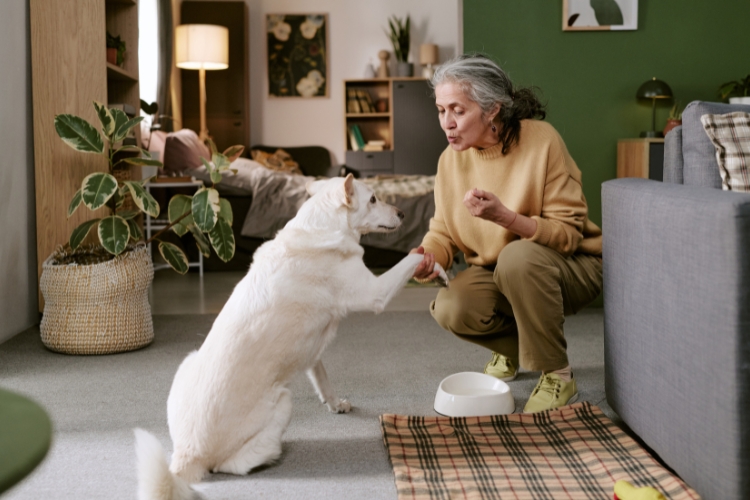
As pets grow older, their daily habits and physical abilities begin to change in ways that can affect their comfort at home. You may notice your pet moving more slowly, avoiding stairs, or struggling to jump onto furniture they once enjoyed jumping onto. These changes are normal, but they also signal that your home environment may need small adjustments to support them better.
Creating a senior-friendly home does not require major renovations or expensive upgrades. Instead, it involves thoughtful changes that improve safety, reduce stress, and make everyday activities easier for your pet. When you focus on comfort and accessibility, you help your pet stay confident and independent while supporting their overall well-being.
Why Home Adjustments Matter for Aging Pets
As pets age, their bodies become more sensitive to movement, pressure, and environmental changes. Joints may become stiff, balance may decline, and vision may not be as sharp as before. These changes can turn simple daily tasks into difficult challenges if the home environment remains unchanged.
Making small updates at home is an essential part of senior pet care because it reduces the risk of injuries and supports daily comfort. A well-adjusted home allows your pet to move freely without fear of slipping or falling. It also helps maintain their routine, which is important for emotional stability and confidence.
Understanding Your Pet’s Changing Needs
Every pet ages differently, but there are common signs that indicate a need for adjustments at home. These include hesitation when moving, difficulty standing up, and reduced interest in certain areas of the house. These behaviors are often linked to physical discomfort or uncertainty.
Addressing your aging pet’s needs means paying close attention to how they interact with their surroundings. By watching their movement and behavior, you can pinpoint where support is necessary.
Improving Floor Safety for Better Stability
Smooth, slippery floors can pose a serious challenge for older pets. Maintaining balance becomes harder with age, and even a small slip can lead to injury or fear of movement.
- Rugs and Runners: Placing rugs in hallways, living rooms, and near feeding spots provides better traction for your pet’s paws, helps them walk with more confidence, and reduces the risk of slipping on hard surfaces.
- Non-slip mats: Areas like near water bowls, beds, and entryways can benefit from added traction. These mats provide stability and make it easier for your pet to stand and move comfortably.
- Keep floors clean and dry: Dust, spills, or moisture can increase the risk of slipping. Regular cleaning ensures a safer walking surface and supports better mobility for your pet.
Creating Comfortable and Supportive Resting Areas
Older pets spend more time resting, so their sleeping space should provide proper support and warmth. A well-designed resting area can reduce joint pressure and improve overall comfort.
- Choose orthopedic beds for joint support.
These beds are designed to distribute weight evenly and reduce stress on sensitive joints. They help your pet rest more comfortably and wake up with less stiffness. - Place beds in easily accessible locations.
Avoid placing beds in areas that require climbing or jumping. Keeping them within easy reach allows your pet to rest whenever needed without effort. - Keep the resting space quiet and warm.
Older pets are more sensitive to noise and temperature changes. A calm and cozy space helps them relax and feel secure throughout the day.
Making Food and Water Easily Accessible
Eating and drinking should remain simple and comfortable for your aging pet. Changes in posture and joint flexibility can make bending down difficult over time.
- Use elevated bowls to reduce strain.
Raised food and water bowls help your pet eat more comfortably by reducing pressure on their neck and joints, which can significantly improve their comfort. - Keep feeding areas consistent and easy to find.
Older pets rely on routine, so placing bowls in the same location helps reduce confusion. Familiarity makes daily routines easier to follow. - Ensure fresh water is always nearby.
Hydration is important for health, so having water available in multiple locations can be helpful, especially in larger homes.
Managing Stairs and Furniture Access
Stairs and elevated surfaces can become difficult and risky for older pets. Jumping or climbing may cause strain or lead to injuries if not managed properly.
- Install ramps or pet steps to make movement easier.
Ramps provide a gradual incline that reduces pressure on joints. They are especially useful for accessing beds, couches, or cars. - Limit access to unsafe areas when needed.
Using barriers or gates can prevent your pet from entering areas that may pose a risk and help maintain safety without constant supervision. - Supervise movement in challenging spaces.
Keeping an eye on your pet as they navigate stairs or furniture helps ensure they remain safe and comfortable.
Improving Lighting for Better Navigation
Vision changes are common in older pets, and poor lighting can make it harder for them to move confidently around the house. Improving visibility can reduce confusion and prevent accidents.
- Add soft lighting in frequently used areas.
Well-lit spaces help your pet see clearly and move with confidence, especially during early mornings and evenings. - Use night lights for safe nighttime movement.
Placing small lights near hallways and sleeping areas helps guide your pet when it is dark. - Avoid rearranging furniture often.
Keeping the layout consistent allows your pet to rely on memory and feel more secure in their surroundings.
Supporting Bathroom Needs With Ease
As pets age, they may need more frequent bathroom breaks or easier access to outdoor areas. Making adjustments in this area can reduce stress and discomfort.
- Take your pet outside more often to help prevent accidents and keep them comfortable throughout the day.
- Pee pads or indoor grass patches can be helpful for pets with limited mobility or difficulty reaching outdoor spaces.
- Removing obstacles ensures your pet can reach the door quickly and without hesitation.
These steps are essential when learning how to make a home safe for senior pets, as they support both physical comfort and routine.
Maintaining Mental Comfort and Routine
Aging can also affect your pet’s mental well-being, leading to confusion or anxiety in unfamiliar situations. A stable and predictable environment helps reduce stress and improve their overall mood.
- Stick to a consistent daily schedule: Feeding, walking, and resting at the same times each day creates a sense of security and stability.
- Provide daily gentle interaction: Spending calm, quality time with your pet supports emotional health and strengthens your bond.
- Introduce changes slowly: Gradual adjustments help your pet adapt without feeling overwhelmed or confused.
These simple steps reflect practical vet tips for senior pet care that support both emotional and physical well-being.
Building a Safe and Supportive Environment
Creating a senior-friendly home is about combining safety, comfort, and accessibility in a way that supports your pet’s daily life. Each small change contributes to a larger sense of ease and confidence for your pet.
The best home setup for old pets focuses on reducing risks while making everyday activities easier to manage. Allowing your pet to move freely, rest comfortably, and access their needs easily significantly enhances their quality of life. It’s a crucial aspect of caring for aging pets, ensuring they remain comfortable and happy as they get older.
Make Every Day Comfortable and Stress-Free
Helping your aging pet feel safe and supported at home is one of the most meaningful ways to care for them. Small adjustments such as improving floor traction, creating comfortable resting areas, and simplifying daily routines can have a lasting impact on their well-being. These changes allow your pet to enjoy their home without fear or discomfort.
If you want guidance on creating a safe and comfortable environment for your senior pet, contact Parker Animal Care for personalized advice and care. Our team is dedicated to supporting your pet’s health at every stage of life.
FAQs
- How do I know if my home is no longer comfortable for my senior pet?
You may notice your pet avoiding certain areas, slipping often, or showing hesitation before moving. These signs usually indicate that your home setup may need small changes to improve safety and comfort.
- Can I make my home senior-friendly without major expenses?
Yes, many helpful changes are simple and affordable. Adding rugs, improving lighting, and adjusting feeding areas can make a big difference without requiring large investments.
- Do senior pets need different sleeping areas than younger pets?
Older pets benefit from beds that provide extra support and are easy to access. A well-placed, comfortable bed can help reduce joint discomfort and improve the quality of rest.
- How often should I update my home setup for my aging pet?
It is a good idea to reassess your home every few months or whenever you notice changes in your pet’s mobility or behavior. Small updates over time can keep your pet comfortable.
- Is it okay to let my senior pet move freely around the house?
Yes, but only if the environment is safe and easy to navigate. Removing hazards and adding supportive features allows your pet to explore freely without risk.