2239 S. Lamar Blvd. Austin, TX 78704


Aging brings many visible and hidden changes in dogs, and oral health is one of the most overlooked areas. Teeth wear down, gums recede, and bacteria build up faster than before. Dogs often struggle silently with dental pain, which can affect eating, mood, and overall health. Regular dental care is not only about keeping teeth clean but also about preventing infections that may spread to vital organs over time.
This guide is especially for pet owners in the Austin, TX area who want to understand how dental care changes as dogs grow older. Older pets need a different approach than younger ones, and knowing what to look for can make a big difference. With the right dental care plan and timely attention from a vet, many dental problems can be managed effectively and comfortably.
Why Oral Health Matters More as Dogs Age
Dogs are more likely to develop dental disease due to years of plaque buildup and natural aging. Weak gums and worn teeth create an environment where bacteria thrive easily. Untreated dental issues can lead to infections that affect the heart, liver, and kidneys.
Pain from dental problems often goes unnoticed since dogs tend to hide discomfort. Subtle changes like slower eating, avoiding hard food, or pawing at the mouth can signal deeper issues. Regular visits to a veterinarian help catch these signs early and prevent long-term damage.
Common Dental Problems in Dogs
Dental issues in dogs are often more complex and require closer attention. Identifying these problems early allows for better treatment outcomes and less discomfort for your pet.
Periodontal Disease
Advanced gum disease is one of the most common issues in dogs. It starts with plaque and tartar buildup, which can eventually lead to gum inflammation, infection, and tooth loss if left untreated.
Tooth Fractures
With age, your dog’s teeth become brittle and more prone to breaking. Chewing on hard objects can cause cracks, exposing sensitive inner layers and increasing the risk of infection.
Oral Infections
Bacterial infections can develop quickly in damaged or decaying teeth. These infections may spread to other parts of the body, making early care very important.
Tooth Root Abscesses
Abscesses form when bacteria reach the root of a tooth. These can cause swelling, pain, and even visible lumps near the jaw or face.
Bad Breath
Persistent bad breath is often more than a minor issue. It usually signals bacterial growth and underlying dental disease that requires attention from a veterinarian.
Signs Your Dog Needs Dental Attention
Changes in behavior often provide the first clues about dental discomfort. Watching closely for these signs helps you act quickly and protect your dog’s health.
- Difficulty eating: Dogs may chew slowly, drop food, or avoid certain textures when experiencing dental pain.
- Excessive drooling: Increased saliva production can indicate irritation or infection inside the mouth.
- Swollen gums: Red, bleeding, or swollen gums are strong signs of gum disease and should not be ignored.
- Loose or missing teeth: Tooth loss often results from untreated periodontal disease and requires evaluation by a veterinarian.
- Mood changes: Irritability or withdrawal may stem from ongoing oral pain.
Special Dental Treatments for Dogs
benefit from tailored dental treatments that address their specific needs. These treatments focus on comfort, safety, and long-term health.
Professional Dental Cleaning
Routine dental cleaning performed by a vet removes plaque and tartar that brushing alone cannot remove, including scaling above and below the gum line and polishing teeth to slow future buildup. For older dogs, pre-anesthetic testing ensures safety during the procedure.
Tooth Extractions When Necessary
Severely damaged or infected teeth may need to be removed to relieve pain and prevent further complications. While extractions may sound concerning, they often improve a dog’s quality of life significantly. Dogs adapt well and continue eating comfortably after recovery.
Dental X-Rays for Deeper Insight
Not all dental issues are visible on the surface. X-rays allow veterinarians to examine tooth roots and bone structure, identifying hidden infections or fractures. Early detection through imaging helps guide proper treatment decisions.
Antibiotic Therapy for Infections
When infections are present, antibiotics may be prescribed to control bacterial growth. It is often combined with cleaning or extractions to resolve the issue.
Pain Management Plans
Managing pain is a key part of dental care in dogs. Vets may recommend medications or alternative therapies to keep pets comfortable during treatment and recovery.
At-Home Care for Aging Dog Teeth
Daily care at home plays a major role in maintaining your dog’s oral health. Simple habits can reduce the risk of serious dental problems and extend the benefits of veterinary treatments.
Regular Brushing Routine
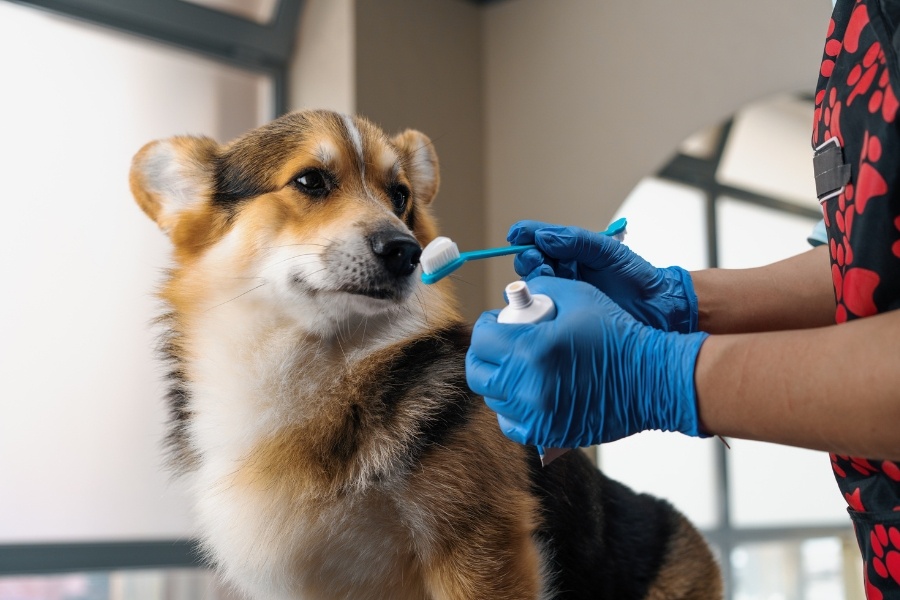
Brushing your dog’s teeth several times a week helps remove plaque before it hardens into tartar. Use pet-safe toothpaste and a soft brush designed for dogs.
Dental-Friendly Diet
Certain foods are designed to reduce plaque buildup and support oral health. Soft foods may be helpful for dogs with sensitive teeth.
Safe Chew Options
Dental chews can help clean teeth naturally, but choose softer options that will not damage aging teeth.
Routine Checkups
Scheduling regular visits with a veterinarian ensures ongoing monitoring and early detection of dental issues.
How Dental Health Affects Overall Wellness
Oral health is closely connected to a dog’s overall condition, especially as it ages. Bacteria from dental infections can enter the bloodstream and impact major organs. Heart disease, kidney issues, and liver complications have all been linked to untreated dental disease.
Maintaining clean teeth and healthy gums reduces these risks and helps your dog stay active and comfortable. Good dental care also improves appetite, digestion, and overall quality of life. Regular evaluations by a veterinary team help ensure that any concerns are addressed early and effectively.
Preventive Care Tips for Long-Term Oral Health
Prevention is always easier and more effective than treatment. Building consistent habits can make a noticeable difference in your dog’s dental health as they age.
Start Early Habits
Even if your dog is already older, introducing a brushing routine can still provide benefits.
Monitor Chewing Behavior
Avoid giving very hard toys or bones that may damage teeth.
Use Dental Rinses
Water additives designed for dogs can help reduce bacteria and improve breath.
Watch for Subtle Changes
Small signs often indicate early problems, so staying observant is key.
When to Schedule a Dental Visit
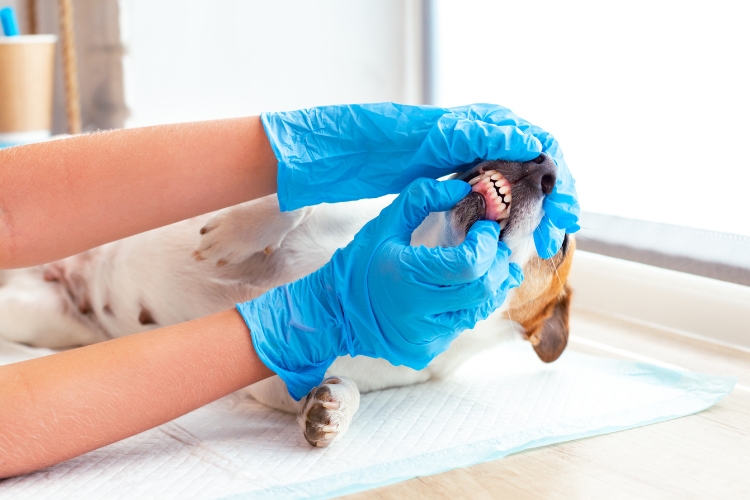
Timing matters when it comes to dental care. Waiting too long can turn minor issues into serious problems that require more complex treatment. Dogs should have dental evaluations at least once a year, though some may need more frequent visits depending on their condition.
A veterinarian will assess your dog’s oral health, recommend appropriate treatments, and create a care plan tailored to their needs. Early action helps prevent discomfort and keeps your dog healthier for longer.
Give Your Dog the Care They Deserve
Dental care plays a vital role in keeping dogs comfortable and healthy. At Parker Animal Care, treatments are designed to address the unique needs of aging pets. From cleanings to advanced care, the goal is to improve quality of life and prevent serious health concerns through proper dental attention.
If you are in Austin and looking for reliable dental care for your dog, book an appointment with Parker Animal Care today. Their team will guide you through every step and help keep your pet healthy and comfortable.
Frequently Asked Questions
- How often should dogs get dental checkups?
Dogs should have dental checkups at least once a year. Some dogs with existing dental issues may need more frequent visits to monitor changes and prevent worsening conditions.
- Is anesthesia safe for dogs during dental procedures?
Anesthesia can be safe when proper precautions are taken. Pre-procedure testing and careful monitoring help reduce risks and ensure your dog remains stable throughout the dental treatment process.
- What are the early signs of dental disease in dogs?
Early signs include bad breath, mild gum redness, slower eating habits, and increased drooling. These symptoms may seem minor, but they often indicate underlying dental problems that need attention.
- Can diet affect my dog’s dental health?
Diet plays an important role in dental health. Certain foods help reduce plaque buildup, while softer diets may be better for dogs with sensitive teeth or existing dental conditions.
- Are dental chews safe for dogs?
Dental chews can be safe if chosen carefully. Softer options designed for dogs are better, as hard chews may cause tooth fractures or worsen existing dental issues.