2239 S. Lamar Blvd. Austin, TX 78704


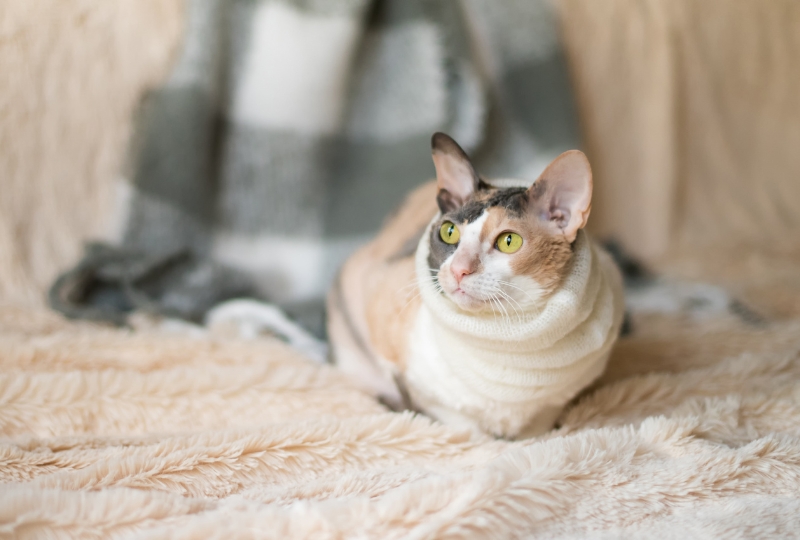
Cats have a remarkable ability to adapt as they age, but their healthcare needs change significantly during their senior years. As your feline companion grows older, proactive veterinary care, proper nutrition, and close monitoring become increasingly important. Understanding these age-related changes can help your cat maintain comfort, mobility, and overall well-being for years to come.
Many pet owners assume that slowing down is simply a normal part of aging. While some changes are expected, others may indicate underlying health concerns that require veterinary attention. By recognizing the signs early and providing consistent support, you can help your cat enjoy a better quality of life throughout their golden years. For pet owners in Austin, understanding the unique needs of aging cats is an important step toward supporting lifelong wellness.
When Is a Cat Considered a Senior?
Most cats are considered seniors around 10 years of age, although aging varies from one cat to another. As cats enter their senior years, they may experience gradual physical and behavioral changes.
Common age-related changes include:
- Reduced activity levels
- Increased sleeping
- Weight fluctuations
- Changes in vision or hearing
- Reduced grooming habits
- Altered eating or drinking patterns
Although these changes may seem minor, they can sometimes signal developing medical conditions that benefit from early diagnosis and treatment.
The Importance of Regular Veterinary Exams
Routine wellness visits become even more important as cats age. Older cats are more susceptible to chronic illnesses that may progress without obvious symptoms.
Regular veterinary evaluations allow professionals to:
- Monitor overall health
- Detect disease earlier
- Assess mobility and joint health
- Evaluate dental health
- Review nutrition needs
- Recommend diagnostic testing
Many veterinarians recommend wellness exams every six months for senior cats because health conditions can develop rapidly in older pets.
Nutrition for Aging Cats
Nutrition plays a vital role in supporting healthy aging. Senior cats often have different dietary requirements than younger cats.
A balanced senior diet may help:
- Maintain healthy body weight
- Support muscle mass
- Promote kidney function
- Improve digestion
- Enhance immune system function
Some older cats experience decreased appetite, while others gain weight due to reduced activity levels. Working closely with your veterinarian ensures your cat receives appropriate nutritional support throughout every stage of aging.
Maintaining a Healthy Weight
Weight management is one of the most important aspects of senior cat care. Both obesity and unintended weight loss can negatively affect your cat’s health.
Excess weight may contribute to:
- Arthritis
- Diabetes
- Heart strain
- Reduced mobility
Unexpected weight loss may indicate underlying medical conditions such as kidney disease, hyperthyroidism, or dental problems.
Routine weight monitoring allows veterinarians to identify concerns before they become more serious.
Monitoring Joint Health and Mobility
Many aging cats develop arthritis or other joint-related conditions. Unfortunately, cats often hide discomfort exceptionally well.
Signs of mobility issues may include:
- Difficulty jumping
- Reluctance to climb stairs
- Stiffness after resting
- Reduced activity
- Changes in grooming habits
Simple environmental modifications can make a significant difference. Consider providing soft bedding, accessible litter boxes, ramps, and easily reachable food and water stations.
Dental Care for Senior Cats
Dental disease is extremely common among older cats and can significantly affect their quality of life.
Signs of dental problems include:
- Bad breath
- Drooling
- Difficulty eating
- Pawing at the mouth
- Red or swollen gums
Regular dental evaluations help identify oral health issues before they become severe. Professional cleanings and at-home dental care can support healthier teeth and gums throughout your cat’s senior years.
Common Health Conditions in Older Cats
As cats age, they become more vulnerable to chronic illnesses. Early detection often leads to better treatment outcomes.
Common conditions include:
Kidney Disease
Kidney disease is one of the most frequently diagnosed illnesses in senior cats. Early signs may include increased thirst, increased urination, and weight loss.
Hyperthyroidism
This condition occurs when the thyroid gland produces excessive hormones. Symptoms often include increased appetite, weight loss, and hyperactivity.
Diabetes
Older cats may develop diabetes, particularly if they are overweight. Early diagnosis and proper management can significantly improve quality of life.
Arthritis
Joint degeneration can affect mobility and comfort. Fortunately, several treatment options can help manage discomfort and improve movement.
Heart Disease
Cardiac conditions may develop gradually and often require ongoing monitoring and treatment.
Diagnostic Testing Supports Early Detection
Many age-related illnesses develop silently. Diagnostic testing helps veterinarians evaluate internal health before symptoms become obvious.
Common screenings may include:
- Blood tests
- Urinalysis
- Blood pressure monitoring
- Thyroid testing
- Kidney function assessments
Preventive screenings provide valuable information that supports timely treatment and long-term health management.
Behavioral Changes to Watch For
Behavioral changes should never be ignored in older cats. Alterations in routine may indicate discomfort, cognitive decline, or medical concerns.
Watch for:
- Increased vocalization
- Confusion
- Changes in litter box habits
- Increased irritability
- Social withdrawal
- Changes in sleep patterns
Prompt veterinary evaluation can help determine the cause and identify appropriate treatment options.
Creating a Comfortable Home Environment
Your cat’s environment plays an important role in supporting healthy aging.
Helpful adjustments include:
- Providing orthopedic bedding
- Keeping food and water easily accessible
- Maintaining a predictable routine
- Using low-entry litter boxes
- Offering gentle opportunities for exercise
- Ensuring easy access to favorite resting areas
These small modifications can significantly improve comfort and independence.
Building a Long-Term Veterinary Partnership
One of the most valuable benefits of senior cat care is the ongoing relationship between pet owners and their veterinary team.
At Parker Animal Care, regular visits help our veterinarians develop a deeper understanding of your cat’s medical history, lifestyle, and evolving healthcare needs. This personalized approach allows for more effective monitoring, earlier detection of health concerns, and customized treatment recommendations.
Our team works closely with pet owners to provide guidance on nutrition, mobility support, preventive care, and age-related health changes. Together, we can help your feline companion enjoy the highest possible quality of life.
Supporting Your Cat Through Every Life Stage
Aging is a natural part of life, but growing older does not mean your cat cannot remain active, comfortable, and happy. Through regular wellness care, proper nutrition, routine screenings, and environmental support, pet owners can make a meaningful difference in their cat’s overall well-being.
Being proactive today can help reduce health complications tomorrow and allow your cat to enjoy more healthy years by your side.
Caring for an aging cat requires attention, compassion, and a proactive approach to healthcare. From routine wellness exams and nutritional support to early disease detection and mobility management, every aspect of senior cat care contributes to your cat’s comfort and longevity.
If you are looking for compassionate veterinary care for your aging feline in Austin, schedule an appointment with Parker Animal Care. Our veterinary team is dedicated to helping senior cats receive the personalized care they need to stay healthy, comfortable, and happy throughout their golden years.
Frequently Asked Questions
1. How often should senior cats visit the veterinarian?
Most senior cats benefit from veterinary examinations every six months. More frequent visits may be recommended for cats with chronic medical conditions.
2. What are common signs of aging in cats?
Common signs include increased sleeping, reduced activity, weight changes, decreased grooming, and changes in hearing or vision.
3. Why are diagnostic tests important for older cats?
Diagnostic screenings help detect underlying illnesses before symptoms become noticeable, allowing for earlier treatment and better outcomes.
4. How can Parker Animal Care help my senior cat?
Parker Animal Care provides comprehensive wellness exams, diagnostic testing, nutritional guidance, and individualized care plans designed specifically for aging cats.
5. What health conditions are most common in senior cats?
Kidney disease, arthritis, diabetes, hyperthyroidism, dental disease, and heart disease are among the most common conditions affecting older cats.
6. How do I schedule an appointment for my senior cat?
Scheduling is easy. Contact Parker Animal Care today to book a wellness examination and help your aging cat receive the professional care they deserve.