2239 S. Lamar Blvd. Austin, TX 78704


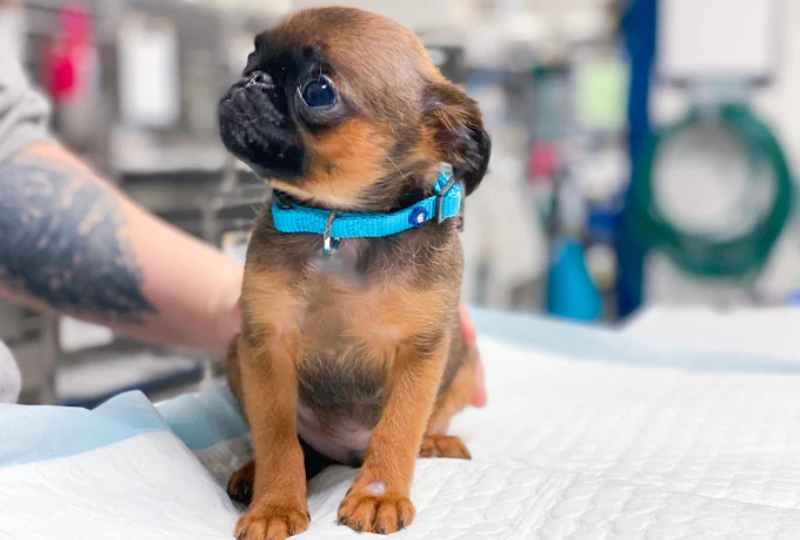
Pets can appear perfectly healthy while an underlying health problem develops quietly. In many cases, animals do not show obvious signs of illness until a condition has progressed. That is why routine veterinary examinations play such an important role in protecting your pet’s health.
A professional examination allows a veterinary team to look beyond what owners can see at home. By combining physical examinations, health history, laboratory testing, imaging, and careful observation, veterinarians can identify subtle abnormalities and investigate potential concerns early. For pet parents in Austin, regular wellness visits can provide an important opportunity to detect hidden health problems before they significantly affect daily life.
Why Hidden Health Problems Can Be Difficult to Notice
Pets often hide signs of discomfort. As a result, changes such as reduced activity, sleeping more, or eating slightly less may be easy to overlook.
Additionally, some conditions develop gradually. Your pet may compensate for a health problem without displaying an obvious symptom. For example, a dog with mild joint discomfort may simply walk more slowly, while a cat with an underlying condition may quietly change its eating or grooming habits.
Therefore, routine examinations matter even when your pet seems healthy. A veterinarian may look for subtle changes that are difficult for owners to recognize during everyday interactions.
1. Reviewing Your Pet’s Health History
Veterinarians begin by gathering information about your pet’s health and lifestyle. Your observations can provide valuable clues.
During an appointment, the veterinary team may ask about appetite, water consumption, exercise, sleep, bathroom habits, behavior, medications, diet, and recent changes at home.
Although these questions may seem simple, they help establish what is normal for your pet. Consequently, even small changes can become easier to investigate.
Keep track of unusual symptoms or behavioral changes between appointments. If possible, note when a change started, how frequently it occurs, and whether it is getting better or worse.
2. Performing a Thorough Physical Examination
A physical examination provides veterinarians with information that cannot always be obtained from an owner’s observations.
The veterinarian may examine your pet’s eyes, ears, mouth, skin, coat, heart, lungs, abdomen, muscles, joints, and overall body condition.
They may also check your pet’s weight and look for changes compared with previous visits.
For example, an unexpected weight change could suggest a nutritional, metabolic, digestive, or other health concern. Similarly, abnormal heart or breathing sounds may indicate a problem that has not yet produced noticeable symptoms at home.
3. Checking the Mouth and Teeth
Dental disease can develop gradually, and pets may continue eating even when they experience oral discomfort.
During a routine examination, the veterinary team can inspect the teeth and gums for tartar, inflammation, damaged teeth, swelling, or other abnormalities.
Early detection can help prevent minor dental concerns from progressing into more serious oral disease.
Furthermore, changes in breath, chewing habits, drooling, or appetite may provide additional clues that a pet needs a closer dental evaluation.
4. Monitoring Weight and Body Condition
Weight provides useful information about your pet’s overall health. Both unexplained weight gain and weight loss can warrant investigation.
A veterinarian does more than simply look at the number on the scale. They also assess body condition and muscle mass.
For example, a pet may maintain a similar weight while losing muscle. Therefore, regular monitoring can help identify changes that might otherwise go unnoticed.
Your veterinary team can also recommend appropriate nutrition and exercise based on your pet’s age, lifestyle, and individual needs.
5. Using Laboratory Testing
Physical examinations provide important information, but laboratory tests can reveal changes that are not visible from the outside.
Depending on your pet’s age, health history, and examination findings, your veterinarian may recommend bloodwork, urine testing, fecal testing, or other laboratory evaluations.
These tests can provide information about organ function, blood cell levels, hydration, infection, and other aspects of health.
Routine screening can be especially useful for pets that appear healthy because certain conditions may produce few outward symptoms during their early stages.
6. Using Diagnostic Imaging When Needed
When a physical examination or laboratory results raise concerns, diagnostic imaging may provide additional information.
Depending on the situation, veterinarians may use tools such as digital radiography or ultrasound to examine structures inside the body.
For instance, imaging may help evaluate bones, joints, organs, or the abdomen. This additional information can help the veterinary team understand what may be causing a particular symptom.
However, not every pet needs every diagnostic test. Your veterinarian can recommend testing based on the individual circumstances.
7. Evaluating Subtle Behavioral Changes
Behavior can provide important information about health. Pets may communicate discomfort through changes in their normal routine rather than obvious signs of illness.
You may notice your pet becoming less social, hiding more often, sleeping differently, becoming reluctant to climb stairs, or losing interest in favorite activities.
These changes do not always indicate illness. Nevertheless, persistent behavioral differences deserve attention.
A veterinarian in Austin can use your observations alongside physical findings and diagnostic information to determine whether a behavioral change may have a medical cause.
8. Comparing Current Results With Previous Visits
Regular veterinary visits create a valuable health history. By comparing current findings with previous examinations, veterinarians can identify gradual changes.
For example, a small weight change may not seem significant during one appointment. However, a consistent trend over several visits could provide an important clue.
Likewise, changes in laboratory values, dental health, muscle condition, or physical examination findings may become more meaningful when viewed over time.
Therefore, maintaining consistent wellness visits can make it easier to identify developing problems early.
Why Preventive Veterinary Visits Matter
Waiting until your pet becomes visibly sick may allow some conditions to progress. Preventive examinations provide an opportunity to investigate subtle changes before they significantly affect your companion.
Your veterinarian can also discuss vaccinations, parasite prevention, nutrition, dental health, weight management, and other preventive needs during routine visits.
In addition, regular appointments help your pet become familiar with veterinary handling. This can make future examinations easier and less stressful.
How Pet Owners Can Help Detect Health Changes
Veterinary care works best when owners and veterinary teams work together. You can help by learning your pet’s normal habits and watching for changes.
Pay attention to appetite, water intake, energy, weight, bathroom habits, grooming, breathing, mobility, and behavior.
Also, do not ignore small changes simply because your pet continues to eat or play. Some animals can maintain normal routines while a health problem develops.
If something seems different, mention it during your next appointment. If the change appears sudden or severe, contact your veterinary team sooner.
Conclusion
Hidden health problems can develop without obvious warning signs. Fortunately, routine veterinary examinations allow professionals to look for subtle changes through physical assessments, health history reviews, laboratory testing, diagnostic imaging, and ongoing monitoring.
Regular appointments also give you an opportunity to discuss anything unusual you have noticed at home. By working closely with your veterinary team, you can take action when your pet’s health begins to change.
If you’re in Austin and looking for a veterinarian near you, schedule an appointment with Parker Animal Care. Our veterinary team can perform a thorough health assessment, investigate concerning changes, and help create a preventive care plan tailored to your pet.
Frequently Asked Questions
1. What are some hidden health problems veterinarians can detect in pets?
Veterinarians can identify issues such as dental disease, infections, organ problems, weight changes, joint conditions, and other health concerns that may not produce obvious symptoms at home.
2. How can routine veterinary exams detect health problems early?
During a routine exam, veterinarians evaluate your pet’s weight, body condition, teeth, gums, eyes, ears, heart, lungs, abdomen, and overall behavior. Laboratory tests or diagnostic imaging may also help uncover problems that are not visible externally.
3. Why is bloodwork useful for pets that appear healthy?
Bloodwork can reveal changes involving blood cells, organ function, hydration, and other aspects of health. As a result, screening may help identify certain conditions before noticeable symptoms develop.
4. How often should my pet have a veterinary examination?
The appropriate schedule depends on your pet’s age, health history, lifestyle, and individual needs. Your veterinarian can recommend an examination schedule designed to monitor your pet’s health and identify changes over time.
5. How can Parker Animal Care help detect hidden health problems?
Parker Animal Care provides comprehensive veterinary examinations and personalized health assessments. The veterinary team can evaluate subtle changes and recommend appropriate diagnostic testing when needed.
6. Why choose Parker Animal Care for my pet’s preventive healthcare?
Parker Animal Care focuses on proactive veterinary care to help pets stay healthy. Regular examinations allow the veterinary team to monitor changes over time and provide recommendations tailored to each pet’s needs.