2239 S. Lamar Blvd. Austin, TX 78704


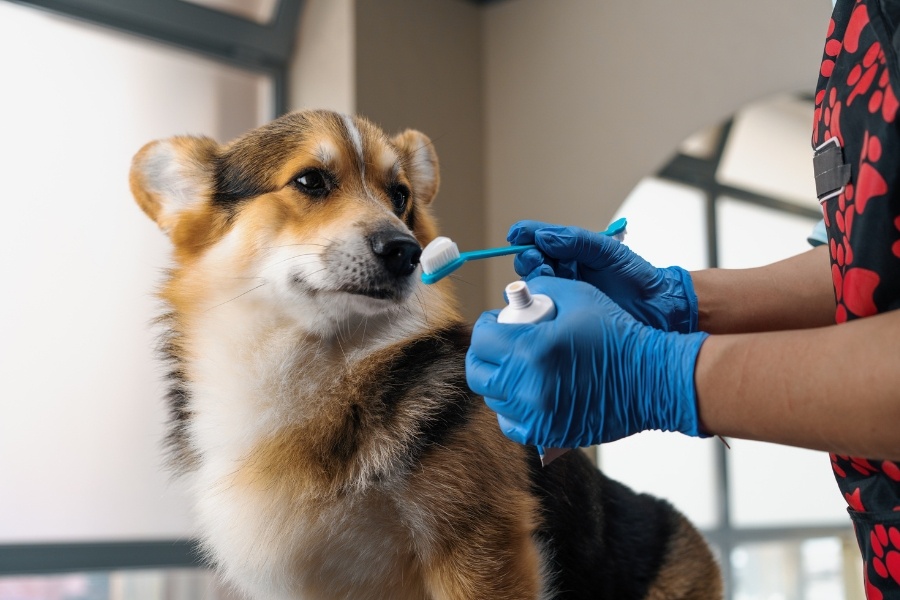
Maintaining your dog’s oral health is an essential part of responsible pet ownership. Just like humans, dogs need regular teeth brushing to prevent plaque buildup, bad breath, and dental diseases. However, brushing your dog’s teeth can seem challenging at first. Fortunately, with the right approach, patience, and tools, you can make this routine both effective and enjoyable for your furry friend.
In this post, we’ll walk you through practical tips and tricks to help you brush your dog’s teeth successfully, ensuring a happy and healthy smile.
Why Brushing Your Dog’s Teeth Matters
Firstly, it’s important to understand why brushing your dog’s teeth is necessary. Poor dental hygiene can lead to periodontal disease, which affects the gums and the structures supporting teeth. This condition can cause pain, tooth loss, and even infections that might impact other organs such as the heart and kidneys.
Additionally, regular brushing helps reduce bad breath and keeps your dog comfortable. Veterinarians recommend brushing your dog’s teeth at least 2-3 times a week to maintain optimal oral health.
Getting Started: Choose the Right Tools
Before you begin brushing, you need to gather the right supplies. Purchase a toothbrush designed specifically for dogs or a finger brush, which some dogs find less intimidating. Also, be sure to use toothpaste formulated for dogs. Human toothpaste contains ingredients harmful to dogs and should never be used.
Choosing a toothpaste with appealing flavors like poultry or peanut butter can help your dog associate brushing with a positive experience.
Step-by-Step Guide to Brushing Your Dog’s Teeth
1. Create a Calm Environment
Start by choosing a quiet, comfortable spot where your dog feels safe and relaxed. Brushing teeth can be stressful for some dogs, so maintaining a calm atmosphere helps reduce anxiety. Speak softly and move slowly to set a positive tone. Try brushing right after a walk or playtime when your dog is naturally more relaxed.
2. Get Your Dog Used to Mouth Touching
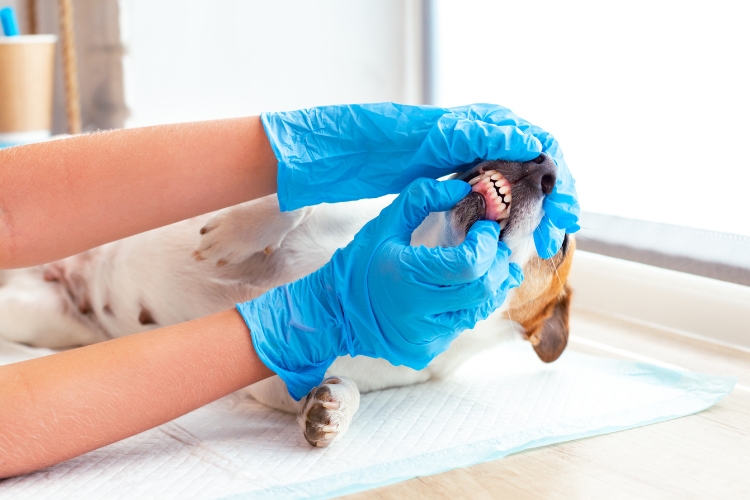
Before introducing the toothbrush, gently rub your dog’s gums and teeth with your finger. This helps them get used to having their mouth handled without the added pressure of brushing. Repeat this daily in short sessions, making sure to praise your dog for staying calm. This builds trust and prepares them for the toothbrush.
3. Introduce the Toothbrush and Toothpaste
Allow your dog to sniff the toothbrush and taste the toothpaste designed for dogs. Dog toothpaste often comes in flavors like chicken or peanut butter, which helps create a positive association. Don’t rush this step — let your dog explore the tools on their own terms. You can even put a little toothpaste on your finger first for them to lick.
4. Begin Brushing Gently
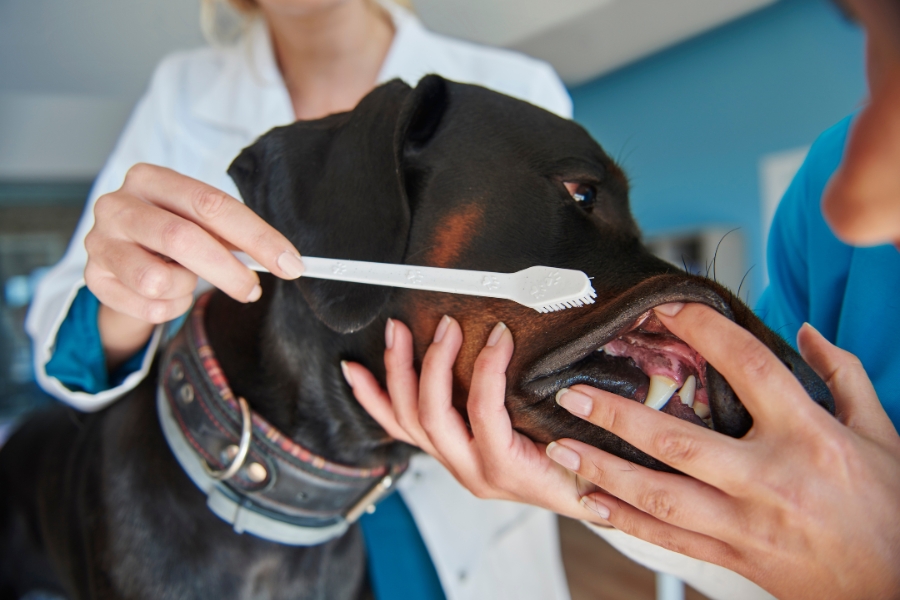
Start brushing the outer surfaces of your dog’s teeth using gentle, circular motions. Focus especially on the gum line where plaque tends to accumulate. It’s okay to begin with just a few teeth and gradually increase the number and time as your dog becomes more comfortable. Avoid forcing the toothbrush inside too far, especially on the first few attempts.
5. Reward Your Dog
Always end each brushing session on a positive note. Praise your dog with kind words, pets, or a healthy treat. This reinforces good behavior and encourages your dog to cooperate next time. Consistency is key — even short, regular brushing sessions will improve dental health and build your dog’s trust in the routine.
Tips for Success
-
Be Patient and Consistent: It’s normal for dogs to resist at first. With regular practice, most dogs adjust to the routine.
-
Keep Sessions Short: Especially in the beginning, aim for 30 seconds to 1 minute per session.
-
Use Dental Chews as a Supplement: While not a replacement for brushing, dental chews help reduce tartar buildup.
-
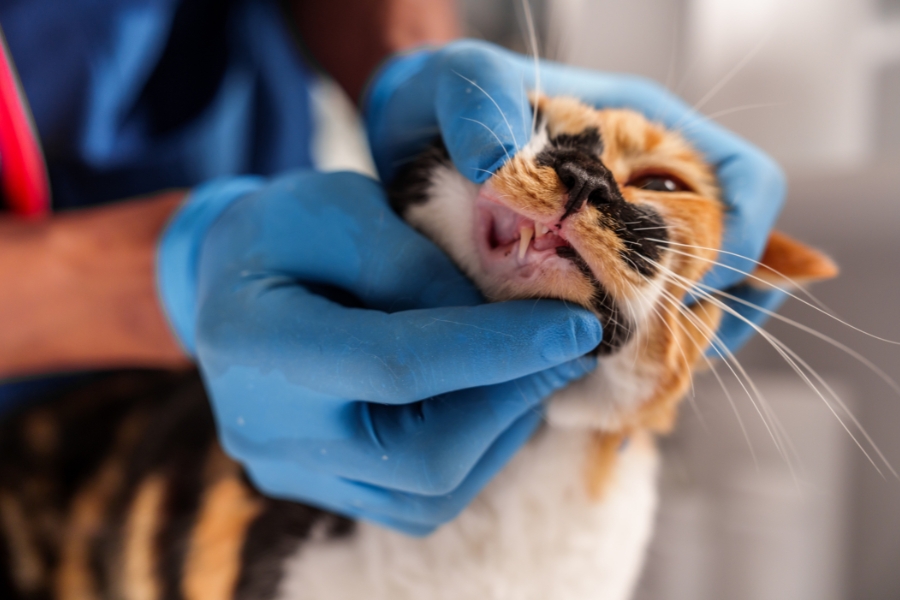
Monitor for Signs of Dental Issues: If you notice persistent bad breath, bleeding gums, or loose teeth, consult your veterinarian promptly.
-
Try Different Toothbrush Styles: Some dogs prefer finger brushes over traditional toothbrushes.
-
Stay Positive: Avoid punishment or frustration, which can cause your dog to resist brushing.
Brushing your dog’s teeth is a simple yet powerful way to enhance their health and quality of life. By choosing the right tools, introducing brushing gradually, and maintaining a positive routine, you can make dental care a stress-free habit for both you and your dog. Furthermore, for professional support and advanced dental care, consider pet dental services in Austin, TX, to keep your dog’s smile healthy and bright.
FAQs
1. How often should I brush my dog’s teeth?
You should ideally brush your dog’s teeth 2-3 times per week. Daily brushing is even better for maintaining oral health.
2. Can I use human toothpaste for my dog?
No. Human toothpaste contains ingredients like fluoride that are toxic to dogs. Always use toothpaste formulated specifically for dogs.
3. What if my dog hates having their teeth brushed?
Start slowly by getting your dog used to mouth touching and the taste of toothpaste. Use gentle praise and keep sessions short to build positive associations.
4. Are dental chews enough to keep my dog’s teeth clean?
Dental chews help reduce tartar, but do not replace brushing. Regular brushing is essential for comprehensive dental care.
5. What are the signs of dental disease in dogs?
Common signs include bad breath, red or bleeding gums, difficulty eating, drooling, and loose or missing teeth. If you notice these, consult your vet.
6. Can puppies have their teeth brushed?
Yes, it’s good to start brushing early to get puppies accustomed to the process and maintain their dental health from the beginning.