2239 S. Lamar Blvd. Austin, TX 78704


Your pet’s teeth and gums play an important role in overall health. However, dental problems can develop gradually, and many pets continue their normal routines even when they experience mouth discomfort. As a result, pet parents may not recognize a dental issue until changes in eating habits or behavior become noticeable.
Dental disease can affect much more than your pet’s mouth. Pain and inflammation may make chewing difficult, reduce interest in food, and even cause changes in mood or daily habits. Therefore, understanding the connection between oral health, appetite, and behavior can help you recognize warning signs sooner. For pet owners in Austin, routine dental attention can help protect both comfort and overall well-being.
How Pet Dental Care Supports Appetite and Behavior
Pet dental care plays an important role in maintaining comfortable eating habits and normal behavior. Dental problems can affect the teeth, gums, and other structures inside the mouth. When inflammation, infection, or damaged teeth cause discomfort, your pet may change how they eat or interact with the family.
Because pets often hide pain, these changes can be subtle. Your dog may chew more slowly, drop food, or avoid harder treats. Similarly, your cat may approach the food bowl but walk away after attempting to eat.
Recognizing these differences can help you determine when a veterinary examination may be appropriate.
Signs Dental Disease May Affect Your Pet’s Appetite
1. Eating More Slowly
A pet with oral discomfort may take much longer to finish a meal. They may chew cautiously or favor one side of the mouth.
If your pet previously ate quickly but now takes considerably longer, pay attention to the change.
2. Dropping Food
Some pets may struggle to hold or chew food when their teeth or gums hurt. Consequently, you may notice pieces of food falling from their mouth while eating.
This behavior can be particularly noticeable with dry food or harder treats.
3. Avoiding Certain Foods
Dental discomfort can cause pets to avoid foods that require more chewing. A dog may lose interest in crunchy treats, while a cat may prefer softer foods.
However, changes in appetite can have many causes. Therefore, do not assume a food preference change is always dental-related.
4. Eating Less
As dental discomfort progresses, some pets may simply eat less. They may still show interest in food but consume smaller portions.
A sustained reduction in food intake deserves attention because inadequate nutrition can affect overall health.
How Dental Problems Can Change Behavior
Dental disease may also influence how your pet behaves at home.
Irritability
A normally relaxed pet may become irritable when experiencing ongoing mouth discomfort. They may react differently when someone touches their face or approaches while they are eating.
Withdrawal
Some pets become quieter or spend more time alone when they do not feel well. A cat may hide under furniture, while a dog may avoid interaction.
Reduced Play
Chewing toys or playing with objects can become uncomfortable when the mouth hurts. As a result, your pet may lose interest in activities they previously enjoyed.
Changes During Handling
Pets with painful mouths may resist having their face or head touched. They may pull away, become tense, or react defensively.
These behaviors do not necessarily mean your pet has developed a personality problem. Pain can significantly influence normal behavior.
Common Causes of Dental Problems
Several oral health conditions can affect pets. Plaque and tartar can build up on the teeth, while bacteria can contribute to gum inflammation and periodontal disease.
Broken or damaged teeth can also cause significant discomfort. In some cases, oral growths or other conditions may affect eating and behavior.
Because different dental problems can produce similar signs, a professional oral examination can help determine what is happening.
Why Pets May Hide Dental Pain
Pets naturally tend to hide signs of discomfort. In the wild, showing weakness could make an animal vulnerable. Although household pets live in safe environments, this instinct can remain.
Therefore, a pet may continue eating, playing, and interacting despite having a painful dental condition.
This is why subtle changes deserve attention. Bad breath, drooling, chewing changes, pawing at the mouth, appetite changes, or irritability can all provide useful clues.
How Parker Animal Care Evaluates Dental Health
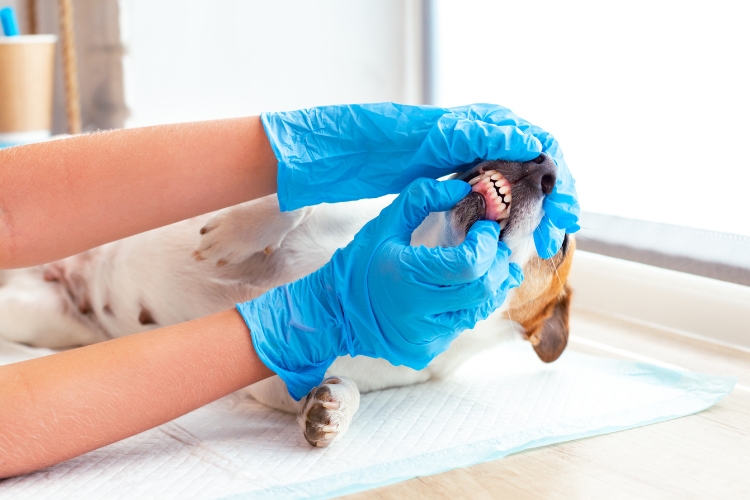
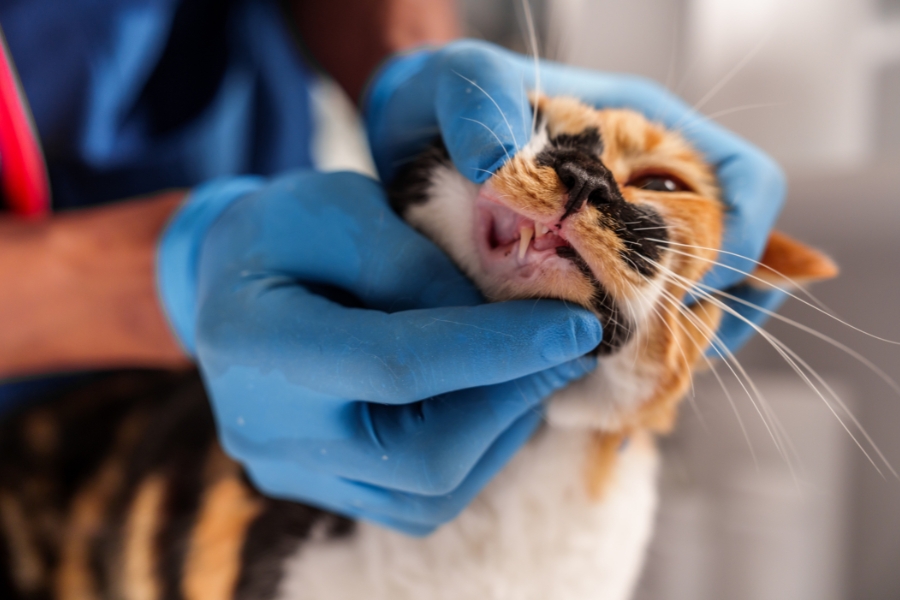
During a veterinary examination, Parker Animal Care can inspect your pet’s teeth and gums for visible signs of dental disease.
The veterinarian may look for tartar, gum inflammation, damaged teeth, swelling, unusual growths, or other abnormalities that could affect your pet’s comfort and oral health.
Depending on the findings, the veterinary team may recommend a more detailed dental evaluation. Dental X-rays can also provide valuable information about structures below the gumline that cannot be seen during a basic visual examination.
The team at Parker Animal Care can explain the findings and recommend an appropriate treatment or prevention plan based on your pet’s individual dental needs.
Ways to Support Your Pet’s Oral Health
Consistent pet dental care can help reduce the risk of oral health problems and support your companion’s comfort.
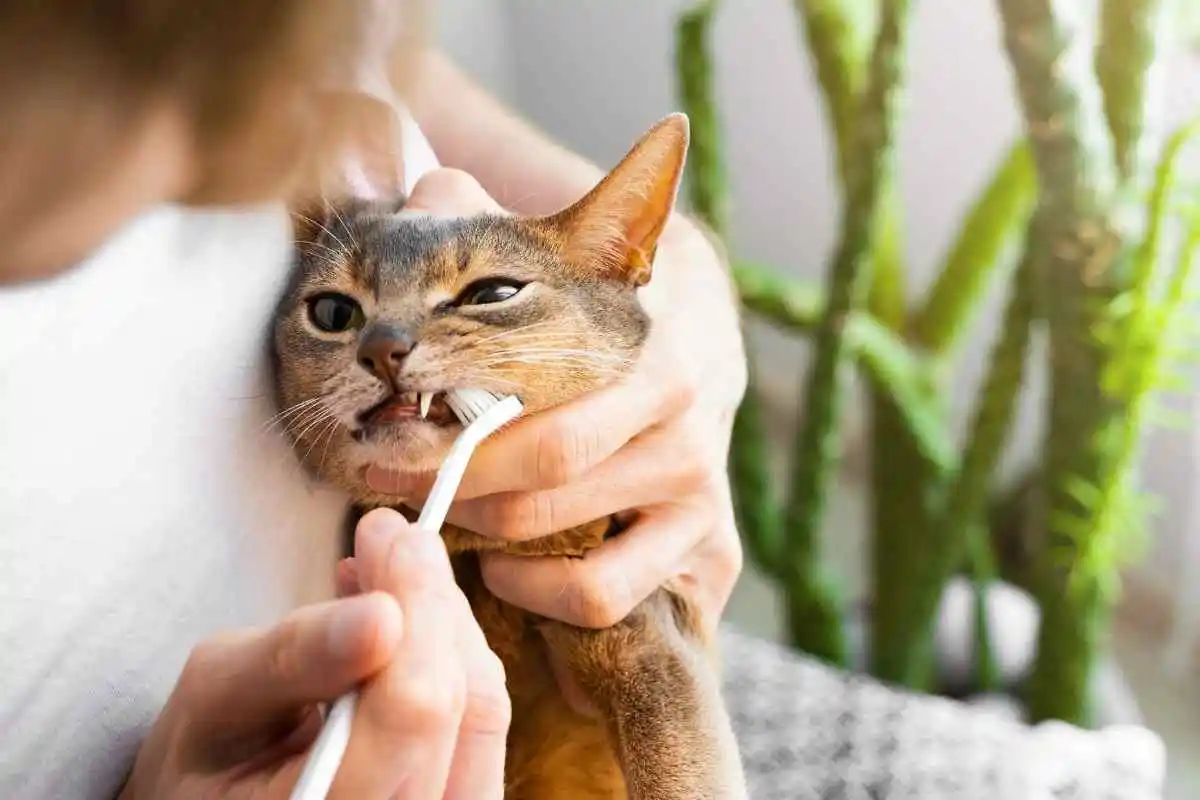
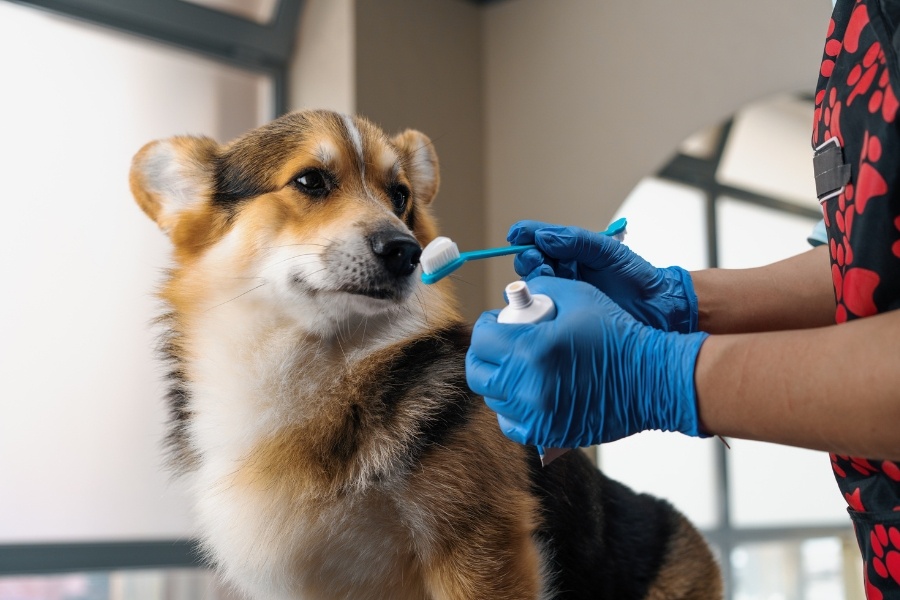
At home, follow your veterinarian’s recommendations for dental hygiene. Depending on your pet’s needs, this may include tooth brushing, dental products, or other strategies.
Regular veterinary examinations also provide opportunities to monitor the condition of your pet’s mouth.
Do not use human toothpaste or dental products unless your veterinarian specifically recommends them. Some ingredients may not be appropriate for pets.
When Should You Schedule a Dental Examination?
Contact your veterinary team if you notice persistent bad breath, swollen or bleeding gums, loose or damaged teeth, excessive drooling, difficulty chewing, dropping food, reduced appetite, or unusual behavior.
You should also arrange an examination if your pet suddenly refuses food or appears painful while eating.
Early evaluation can help identify dental problems before they significantly interfere with eating or daily activities.
Dental disease can affect much more than your pet’s teeth. Mouth discomfort may change eating habits, reduce interest in play, and contribute to irritability or withdrawal. Because pets often hide pain, subtle behavioral or appetite changes deserve attention.
If you’re in Austin and looking for pet dental care near you, schedule an appointment with Parker Animal Care. Our veterinary team can examine your pet’s mouth, discuss any changes you have noticed, and recommend appropriate steps to support comfortable eating and everyday well-being.
Frequently Asked Questions
1. Can dental disease cause a pet to stop eating?
Yes. Dental pain can make chewing uncomfortable, which may cause a pet to eat less, avoid certain foods, or stop eating. A sudden or persistent appetite change should receive veterinary attention.
2. What behavioral changes can dental pain cause?
Dental discomfort may cause irritability, withdrawal, reduced play, reluctance to have the face touched, or changes during mealtimes.
3. Is bad breath always a sign of dental disease?
Persistent bad breath can indicate an oral health problem, although other conditions can also contribute to unusual breath odor. A veterinary examination can help determine the cause.
4. How often should my pet have a dental examination?
The appropriate schedule depends on your pet’s age, species, dental health, and individual risk factors. Your veterinarian can recommend an examination schedule based on your companion’s needs.
5. How can Parker Animal Care help with my pet’s dental health?
Parker Animal Care can evaluate your pet’s teeth and gums, identify potential oral health concerns, and recommend appropriate preventive or treatment options.
6. Why choose Parker Animal Care for pet dental needs?
Parker Animal Care provides veterinary support focused on your pet’s individual health needs. The veterinary team can help monitor oral health and guide you toward appropriate strategies for maintaining your pet’s comfort and well-being.