2239 S. Lamar Blvd. Austin, TX 78704


As a dedicated cat owner, you prioritize your feline friend’s health and well-being. While diet and playtime often take center stage, oral hygiene is a crucial aspect that sometimes gets overlooked. So, do veterinarians actually recommend brushing your cat’s teeth? The answer is a resounding yes! In fact, it’s considered the gold standard for at-home dental care for cats.
Why Brushing is Best: Preventing Pesky Problems
Just like with humans, regular brushing is the most effective way to prevent plaque and tartar buildup in your cat’s mouth. These seemingly harmless substances can lead to a host of dental problems, including:
- Gingivitis: Inflammation of the gums, characterized by redness and swelling.
- Periodontal Disease: A more severe infection that damages the soft tissues and bone supporting the teeth, potentially leading to tooth loss.
- Bad Breath (Halitosis): Often a telltale sign of underlying dental issues.
- Pain and Discomfort: Dental disease can be surprisingly painful for cats, even if they don’t always show obvious signs.
- Systemic Health Issues: Bacteria from dental infections can enter the bloodstream and potentially affect vital organs like the heart, kidneys, and liver.
Veterinarians see firsthand the detrimental effects of poor dental hygiene in cats. They advocate for regular brushing as a proactive measure to significantly reduce the risk of these painful and potentially serious conditions.
Getting Started: It’s Never Too Late (Almost!)
Ideally, introducing tooth brushing when your cat is a kitten makes the process easier, as they are more adaptable. However, even adult cats can learn to tolerate and even enjoy having their teeth brushed with patience and positive reinforcement. If you’re unsure where to start or need assistance, a professional dental care service for your pet can help ensure their oral health is properly managed.
Here’s a simple guide to get you started:
- Get the Right Supplies: Use a toothbrush specifically designed for cats (or a soft baby toothbrush). Never use human toothpaste, as it contains ingredients that can be harmful to cats. Opt for a cat-specific toothpaste, often flavored to be more appealing to them (like chicken or fish).
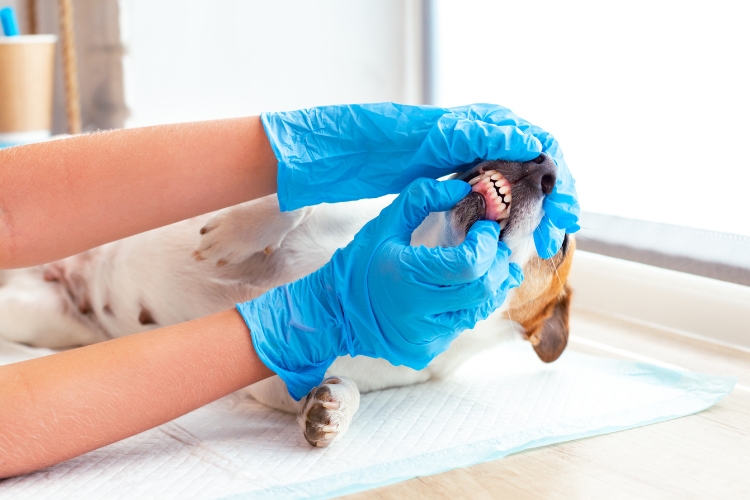
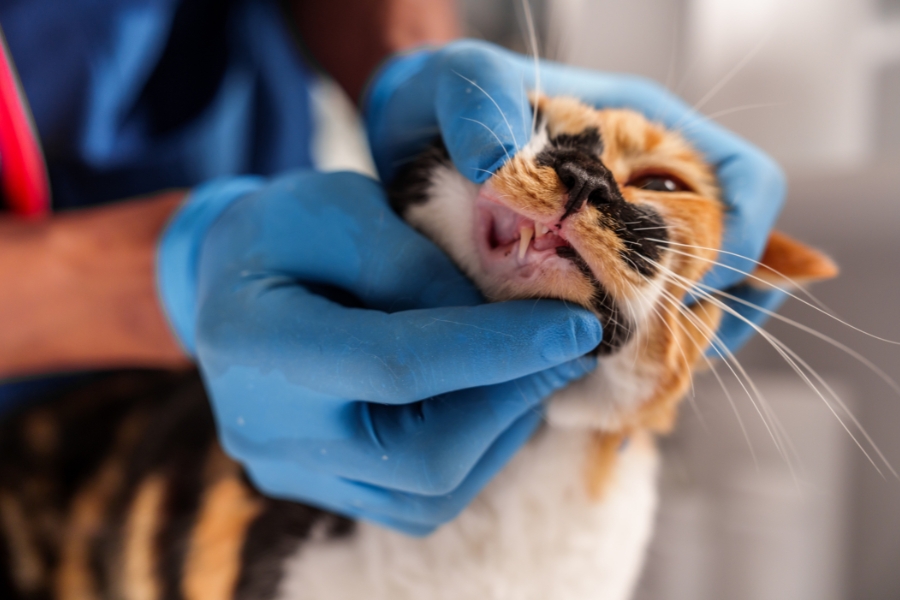
- Introduce Slowly: Start by getting your cat used to having their mouth handled. Gently touch their lips and try lifting them to expose their teeth for short periods. Reward them with treats and praise.
- Introduce the Toothpaste: Let your cat lick a small amount of the toothpaste from your finger so they can get used to the taste.
- Introduce the Toothbrush: Once they are comfortable with the toothpaste, put a small amount on the toothbrush and let them sniff and lick it.
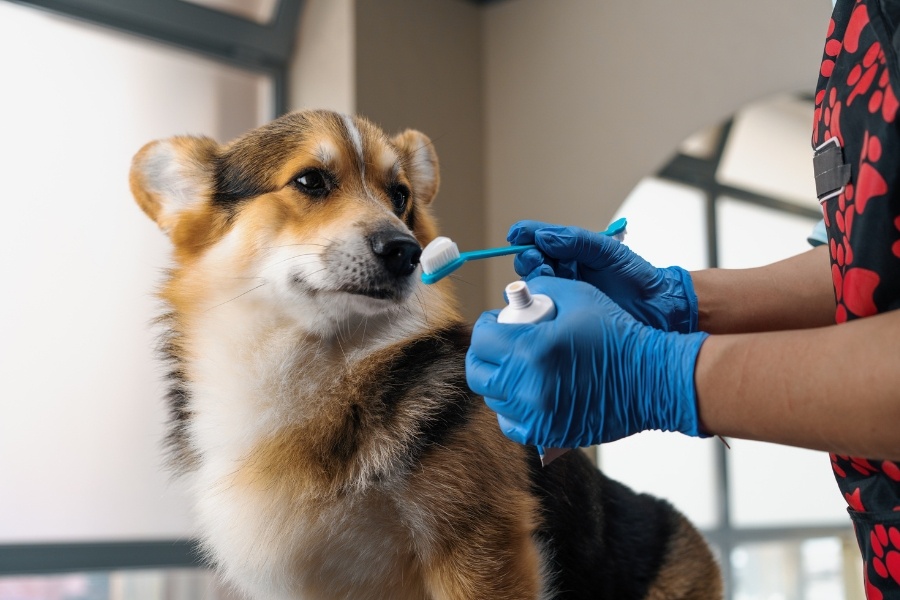
- Start Brushing: Gently brush the outer surfaces of their teeth along the gum line using small, circular motions. Focus on the most accessible areas initially and gradually work your way to more teeth. Aim for short sessions (10-30 seconds) and gradually increase the duration as your cat becomes more comfortable.
- Be Patient and Positive: Consistency is key, but never force your cat. Make it a positive experience with rewards and praise. If they resist, stop and try again later.
What if Brushing Isn’t Possible? Alternatives Exist
While brushing is the gold standard, some cats may simply not tolerate it, no matter how much you try. In these cases, your veterinarian can recommend alternative methods to help maintain your cat’s oral health, such as:
- Dental Diets: Specially formulated kibble designed to help reduce plaque and tartar buildup as your cat chews.
- Dental Treats and Chews: Some treats have textures and ingredients that can help clean teeth. Look for Veterinary Oral Health Council (VOHC) approved products.
- Dental Wipes and Gels: These can be applied directly to your cat’s teeth and gums to help reduce plaque.
- Water Additives: Some products added to your cat’s water may help inhibit plaque formation.
- Professional Dental Cleanings: Regular veterinary dental cleanings under anesthesia are crucial for removing tartar buildup that at-home care can’t address.
The Bottom Line: Prioritize Your Cat’s Pearly Whites
In conclusion, veterinarians overwhelmingly recommend brushing your cat’s teeth as the most effective way to prevent dental disease and maintain their overall health. While it may take time and patience to establish a routine, the long-term benefits for your feline companion are well worth the effort. If brushing proves to be a challenge, discuss alternative options with your veterinarian to ensure your cat receives the dental care they need for a happy and healthy life.