2239 S. Lamar Blvd. Austin, TX 78704


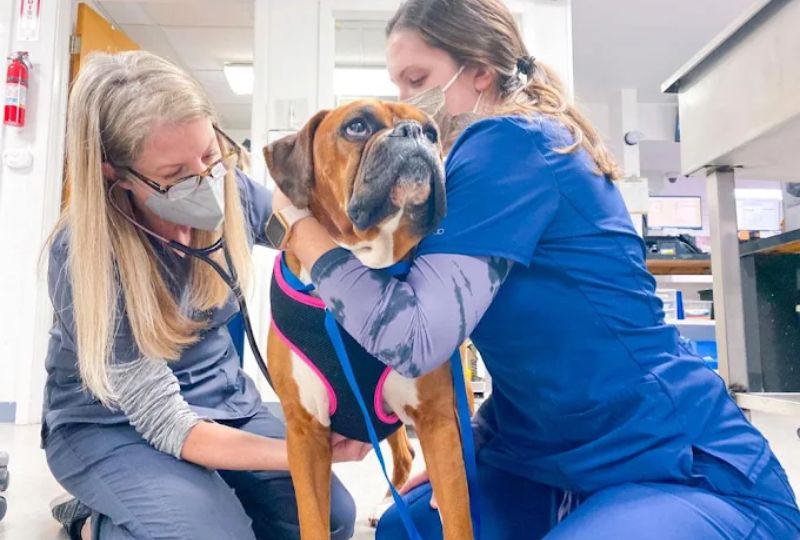
Pets bring joy, companionship, and unconditional love into our lives. Because they are cherished family members, they deserve consistent medical attention that supports lifelong wellness. Regular checkups, preventive treatments, nutritional guidance, and early disease detection all play an important role in helping pets stay active and comfortable throughout every stage of life.
From playful puppies and curious kittens to aging senior companions, each phase comes with unique healthcare needs. A trusted veterinarian can help identify those changing needs and provide personalized care that supports long-term health. Pet owners who stay proactive often help their companions enjoy a better quality of life and fewer medical complications over time. Families in Austin understand the importance of dependable pet healthcare and preventive wellness services for their furry companions.
Why Preventive Care Matters for Pets
Preventive healthcare focuses on identifying health concerns before they become serious problems. Instead of waiting for illness or injury to occur, routine care allows veterinary professionals to monitor overall wellness and catch subtle changes early.
Preventive care commonly includes:
- Wellness exams
- Vaccinations
- Parasite prevention
- Dental evaluations
- Nutritional counseling
- Weight management
- Diagnostic testing
- Senior wellness screenings
These services work together to support your pet’s immune system, mobility, and overall comfort. Additionally, preventive visits help create a health baseline that makes future medical concerns easier to recognize.
Caring for Puppies and Kittens
Young pets require extra attention during their first year of life. Puppies and kittens grow rapidly, and their developing immune systems need protection from common illnesses and parasites.
During early wellness visits, a veterinarian typically evaluates:
- Growth and development
- Weight gain
- Behavioral milestones
- Vaccine schedules
- Intestinal parasites
- Nutrition needs
Vaccinations are especially important during this life stage because they help protect against contagious diseases. Preventive parasite medications also reduce the risk of fleas, ticks, heartworms, and intestinal worms.
In addition, early visits give pet owners an opportunity to discuss training, socialization, and healthy routines. Building good habits early can lead to healthier adult pets later in life.
Supporting Adult Pets Through Routine Wellness Care
As pets transition into adulthood, their healthcare needs begin to shift. Adult dogs and cats may appear healthy on the surface, but underlying issues can still develop gradually. Routine wellness visits help monitor these changes before they become more serious.
Annual or semiannual exams often include:
Physical Examinations
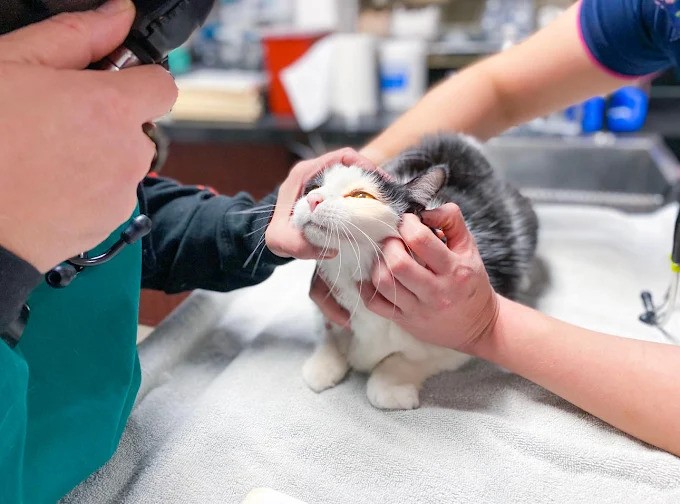
Physical exams allow veterinary professionals to assess the skin, coat, eyes, ears, joints, heart, and lungs. Even subtle changes may indicate developing health concerns.
Weight and Nutrition Monitoring
Maintaining a healthy weight is essential for long-term wellness. Obesity can increase the risk of arthritis, diabetes, and heart problems. Nutritional recommendations help pets receive balanced diets based on age, breed, and activity level.
Parasite Prevention
Parasites can threaten both pets and humans. Year-round prevention reduces exposure to fleas, ticks, heartworms, and intestinal parasites.
Dental Health Assessments
Dental disease affects many pets as they age. Regular oral evaluations help identify plaque buildup, gum inflammation, and tooth decay before discomfort worsens.
Routine appointments also allow pet owners to ask questions about exercise, behavior, nutrition, and lifestyle changes.
The Importance of Pet Dental Care
Dental health significantly impacts overall wellness. Unfortunately, many pets develop oral disease without obvious symptoms in the early stages. Left untreated, dental infections can contribute to pain, tooth loss, and even organ complications.
Signs of dental problems may include:
- Bad breath
- Drooling
- Difficulty chewing
- Swollen gums
- Pawing at the mouth
- Reduced appetite
Professional cleanings and home dental routines help reduce plaque and bacteria buildup. Brushing your pet’s teeth regularly and using veterinarian-approved dental products can support healthier gums and teeth.
How Diagnostic Testing Supports Early Detection
Pets cannot explain when something feels wrong. Because of this, diagnostic testing plays a major role in preventive healthcare.
Routine screenings may include:
- Bloodwork
- Urinalysis
- Fecal testing
- Heartworm testing
- Imaging studies
These tests help identify hidden conditions before symptoms appear. Early detection often leads to more effective treatment and better outcomes.
For example, blood tests can reveal early signs of kidney disease, liver problems, diabetes, or thyroid disorders. Detecting these conditions early may improve your pet’s comfort and longevity.
Caring for Senior Pets
Senior pets require more frequent health evaluations because aging increases the risk of chronic disease and mobility concerns. Older pets may experience arthritis, reduced vision, hearing loss, cognitive decline, or organ dysfunction.
A veterinarian may recommend additional wellness screenings for aging pets to monitor changes more closely.
Senior care often includes:
- Arthritis management
- Pain control
- Mobility support
- Specialized nutrition
- Routine blood testing
- Monitoring chronic conditions
Pet owners should also watch for behavioral changes such as confusion, restlessness, decreased appetite, or reduced activity levels. Addressing these concerns early can improve comfort and daily function.
Providing soft bedding, moderate exercise, and joint support may also help aging pets maintain mobility and independence.
Nutrition and Exercise Throughout Every Life Stage
Proper nutrition and exercise remain essential throughout a pet’s life. However, dietary and activity needs change with age, breed, and overall health condition.
Young pets need nutrient-rich food to support growth, while adult pets benefit from balanced maintenance diets. Senior companions often require specialized nutrition to support joint health and organ function.
Exercise also supports:
- Healthy weight management
- Joint flexibility
- Cardiovascular health
- Mental stimulation
- Reduced anxiety
Even indoor cats benefit from enrichment activities and movement. Interactive toys, climbing spaces, and regular play sessions can encourage healthy activity levels.
Behavioral Health and Emotional Wellness
Physical health is only one part of a pet’s overall well-being. Emotional and behavioral wellness also deserves attention.
Stress, anxiety, and behavioral changes can sometimes signal underlying health concerns. Common behavioral issues include:
- Excessive barking
- Aggression
- Destructive chewing
- Litter box problems
- Separation anxiety
Veterinary professionals can help identify potential medical causes and recommend behavior management strategies. In some cases, environmental adjustments or training techniques may improve the quality of life for both pets and owners.
Building a Strong Partnership With Your Pet Care Team
Consistent communication with your veterinary team helps create a personalized healthcare plan for your pet. Preventive visits establish a medical history that supports better long-term care decisions.
During appointments, pet owners should discuss:
- Appetite changes
- Activity levels
- Behavioral concerns
- Bathroom habits
- Mobility changes
- Sleep patterns
Even small observations can provide valuable insight into your pet’s health.
In addition, maintaining regular visits helps pets become more comfortable with examinations and handling. Positive experiences may reduce stress during future appointments.
Creating a Healthier Future for Your Pet
Preventive healthcare remains one of the most effective ways to support lifelong wellness in dogs and cats. Regular exams, vaccinations, parasite prevention, nutrition counseling, and early disease detection all contribute to better health outcomes.
Every stage of life presents new challenges and opportunities for care. By staying proactive and consistent, pet owners can help their companions enjoy happier and healthier lives for many years.
If you’re in Austin and looking for a veterinarian near you, schedule an appointment with Parker Animal Care. Our veterinary team is dedicated to helping pets stay healthy through every stage of life with compassionate, personalized care.
FAQs
1. How often should my pet visit the vet?
Most pets should have wellness exams once a year. Senior pets or pets with chronic conditions may need more frequent visits.
2. Why is preventive care important for pets?
Preventive care helps detect health concerns early, supports long-term wellness, and may reduce the risk of serious illness.
3. When should puppies and kittens receive vaccinations?
Young pets usually begin vaccinations around six to eight weeks of age and continue through their first few months.
4. How can I improve my pet’s dental health at home?
Brushing your pet’s teeth regularly, using dental treats, and scheduling professional cleanings can help maintain oral health.
5. What are common signs of illness in pets?
Changes in appetite, energy level, weight, behavior, or bathroom habits may indicate an underlying health concern.
6. How does nutrition affect my pet’s overall wellness?
Balanced nutrition supports healthy growth, weight management, organ function, immune health, and energy levels throughout life.