2239 S. Lamar Blvd. Austin, TX 78704


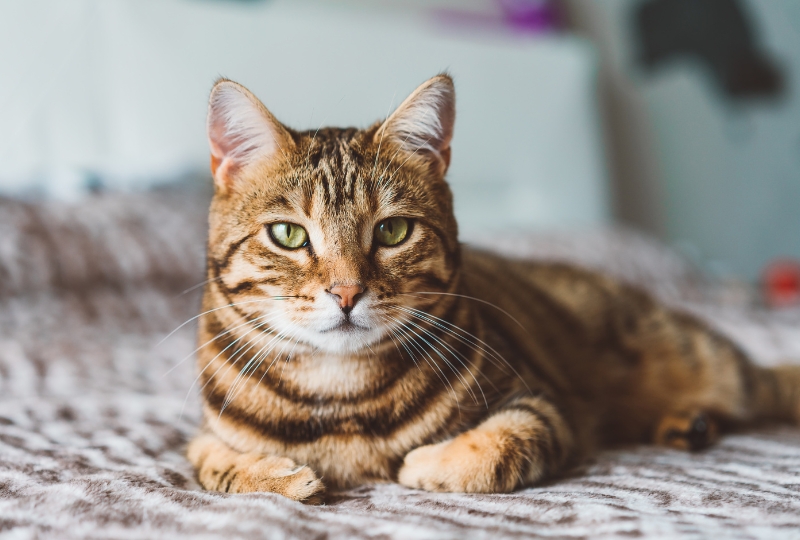
As dogs and cats grow older, their bodies naturally change. You may notice your pet taking longer to stand, walking more slowly, avoiding stairs, or losing interest in favorite activities. While some changes can occur with age, noticeable mobility problems should not always be dismissed as a normal part of getting older.
Mobility affects much more than walking. When an aging pet has difficulty moving comfortably, everyday activities such as eating, grooming, playing, climbing, and using the litter box can become challenging. Therefore, recognizing changes early can help you determine when your companion needs veterinary attention. For families caring for aging pets in Austin, understanding mobility changes can make it easier to support comfort and quality of life.
What Is Senior Pet Care?
Senior pet care focuses on the changing health needs of aging dogs and cats. Mobility deserves particular attention because problems involving joints, muscles, bones, weight, or the nervous system can affect how comfortably a pet moves.
However, reduced mobility does not necessarily mean your pet simply needs to slow down. Arthritis, injuries, pain, muscle loss, excess weight, and other health conditions may contribute to movement difficulties.
Therefore, pet owners should watch for gradual changes and discuss persistent concerns with their veterinary team.
8 Mobility Changes to Watch For
1. Taking Longer to Stand
One of the earliest signs of mobility problems may occur when your pet gets up after resting. Your dog may push themselves up slowly, while your cat may hesitate before leaving a comfortable sleeping area.
Although an occasional slow movement may not seem concerning, repeated difficulty getting up can indicate stiffness or discomfort.
2. Avoiding Stairs or Jumping
Older pets may begin avoiding activities that require strength and flexibility. A dog that once climbed stairs easily may hesitate, while a cat may stop jumping onto furniture or favorite perches.
These changes can reduce your pet’s access to areas they previously enjoyed. Consequently, your companion may become less active or withdrawn.
Make frequently used areas easier to reach. However, if your pet suddenly stops jumping or climbing, schedule a veterinary evaluation to identify the possible cause.
3. Walking More Slowly
A gradual decrease in walking speed can be easy to overlook. You may assume your pet simply has less energy than before.
Nevertheless, slower movement may indicate discomfort or weakness. Pay attention to whether your pet also develops stiffness, limping, changes in posture, or reluctance to continue walking.
Your veterinarian can assess these changes and recommend appropriate activity based on your pet’s condition.
4. Reduced Interest in Play
Play provides both physical activity and mental stimulation. When movement becomes uncomfortable, however, an older pet may lose interest in favorite games.
For example, a dog may stop chasing a ball, while a cat may avoid toys that require jumping or quick movements.
Do not force your pet to continue an activity that appears uncomfortable. Instead, ask your veterinary team about gentler alternatives, such as short walks, controlled play, or low-impact enrichment.
5. Difficulty Grooming
Mobility problems can affect grooming habits, particularly in cats. A cat that cannot comfortably twist or bend may stop grooming certain areas.
As a result, you may notice a dull, greasy, or matted coat. Dogs can also experience grooming difficulties when stiffness makes certain movements uncomfortable.
Changes in grooming should not be ignored, especially when they occur alongside reduced mobility.
6. Changes in Bathroom Habits
An aging pet may struggle to reach or use their normal bathroom area. A dog with mobility difficulties may hesitate to go outside, while a cat may have trouble entering a litter box with high sides.
If accidents begin occurring indoors, avoid punishment. Instead, consider whether mobility, pain, urinary problems, digestive issues, or another health concern could be responsible.
A veterinarian can help determine the cause and suggest practical adjustments.
7. Weight Gain or Muscle Loss
Reduced activity can contribute to weight gain, while aging and inactivity can also contribute to muscle loss. Both changes may make movement more difficult.
Excess weight places additional stress on joints, while reduced muscle strength can affect stability and mobility.
Your veterinarian can assess your pet’s body condition and recommend an appropriate nutrition and exercise plan. Avoid making major dietary changes without professional guidance.
8. Difficulty Getting Comfortable
An older pet experiencing mobility problems may frequently change sleeping positions, hesitate before lying down, or struggle to rise after resting.
You may also notice your pet avoiding certain beds, floors, or areas of the home.
Provide a comfortable, supportive resting space that your pet can reach easily. If your companion continues to struggle with comfort, discuss the behavior with your veterinary team.
How Mobility Changes Affect Quality of Life
Mobility influences your pet’s independence. When movement becomes difficult, your companion may no longer reach favorite resting places, play comfortably, or interact with family in the same way.
Reduced activity can also affect mental stimulation. Consequently, an aging pet may become bored, frustrated, or less engaged.
Fortunately, small adjustments can make everyday life easier. Keep food and water within easy reach, provide nonslip flooring, use accessible litter boxes, and create comfortable resting areas.
At the same time, continue offering appropriate mental enrichment. Food puzzles, scent games, gentle play, and supervised exploration can help keep your pet engaged without placing excessive physical demands on them.
When Should You Contact a Veterinarian?
Gradual mobility changes deserve discussion with your veterinary team, especially when they continue or worsen.
Schedule an examination if your pet repeatedly struggles to stand, avoids stairs, walks with stiffness, stops playing, or has difficulty performing normal activities.
Seek prompt veterinary attention if your pet suddenly cannot stand or walk, experiences severe pain, develops significant weakness, or shows another sudden and concerning symptom.
During an examination, your veterinarian can evaluate your pet’s gait, joints, muscles, weight, and overall condition. Depending on the findings, diagnostic testing may help identify the underlying cause.
Early evaluation can help you understand what your pet is experiencing and determine appropriate ways to improve comfort.
Conclusion
Mobility plays an important role in your pet’s comfort, independence, and happiness. When an older dog or cat begins moving differently, avoiding favorite activities, or struggling with everyday tasks, those changes deserve attention.
With appropriate veterinary guidance, healthy weight management, suitable activity, comfortable bedding, and simple home modifications, you can help your companion remain active and engaged.
If you’re in Austin and looking for senior pet care near you, schedule an appointment with Parker Animal Care. Our veterinary team can evaluate your pet’s mobility, discuss your concerns, and recommend personalized care to help your companion enjoy a comfortable quality of life.
Frequently Asked Questions
1. What are common signs of mobility problems in senior pets?
Common signs include stiffness, slower walking, difficulty standing, reluctance to climb stairs, avoiding jumps, reduced interest in play, changes in grooming, and difficulty getting comfortable.
2. Are mobility changes a normal part of aging?
Some changes can occur as pets age, but persistent or worsening mobility problems should not automatically be considered normal. Pain, arthritis, injuries, weight issues, and other health conditions can affect movement and may require veterinary attention.
3. How can I make my home more comfortable for an aging pet?
Provide supportive bedding, nonslip surfaces, accessible food and water, and easy-to-reach resting areas. For cats, consider a litter box with a lower entry if climbing has become difficult.
4. Can extra weight affect my pet’s mobility?
Yes. Excess weight can place additional stress on joints and make movement more difficult. Your veterinarian can help you develop an appropriate nutrition and activity plan based on your pet’s individual needs.
5. How can Parker Animal Care help with my senior pet’s mobility?
Parker Animal Care can evaluate mobility changes, assess your pet’s overall health, and help identify potential causes of discomfort. The veterinary team can also recommend appropriate lifestyle adjustments and treatment options.
6. Why choose Parker Animal Care for an aging pet?
Parker Animal Care provides personalized veterinary support for aging pets. Regular examinations allow the veterinary team to monitor changes, address concerns, and help pet parents make informed decisions about their companion’s comfort and quality of life.