2239 S. Lamar Blvd. Austin, TX 78704


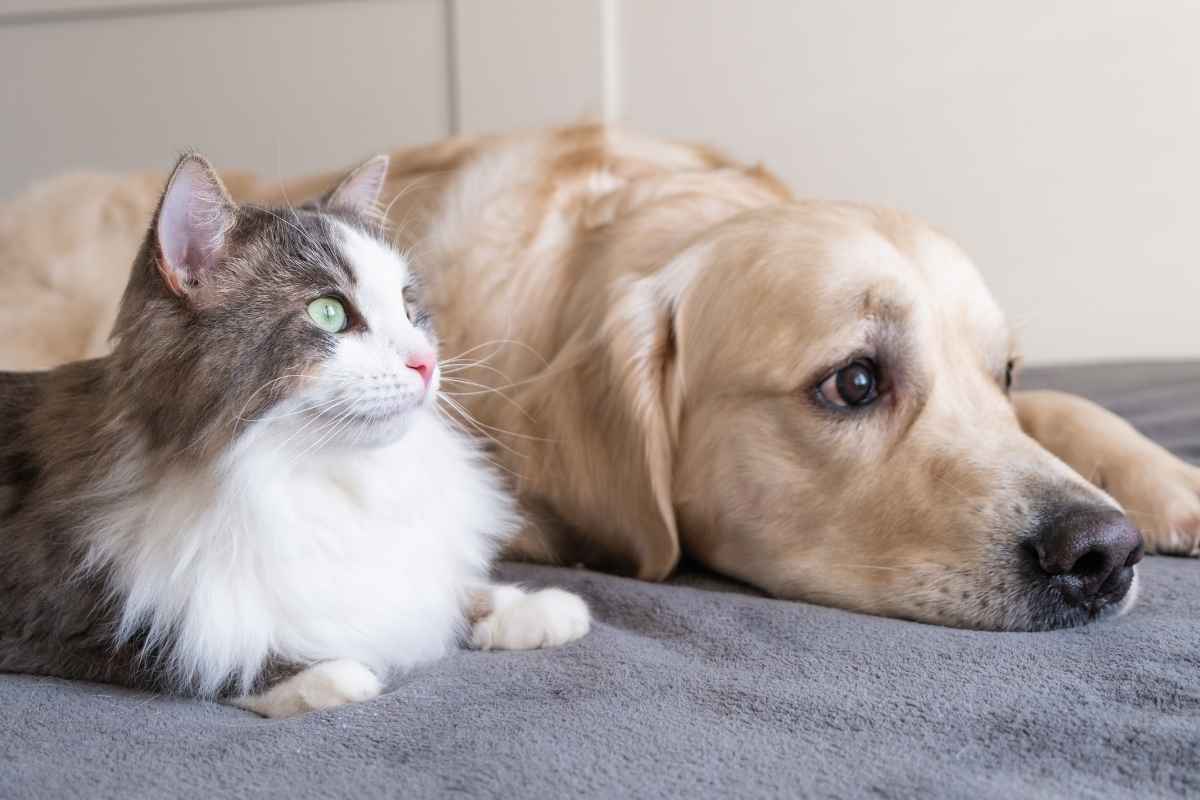
Your dog or cat has been a loving part of your family for many years. They have shared daily routines, special moments, and countless memories with you.
As pets grow older, their needs begin to change. They may move more slowly, sleep more, or require extra support during daily activities.
Aging is a natural process, but it does not mean your pet cannot enjoy a comfortable and active life. With proper care, many senior dogs and cats continue to experience happiness, playfulness, and strong family connections.
At Parker Animal Care in Austin, the focus is on helping aging pets maintain their health through preventive care, regular evaluations, and personalized wellness guidance. Understanding your pet’s changing needs can help you provide better support throughout their later years.
When Is a Dog or Cat Considered Senior?
Pets age differently depending on their breed, size, genetics, and lifestyle. Some larger dogs may show age-related changes earlier than smaller breeds.
Most dogs are considered senior around seven years of age. However, this can vary based on their overall health and breed characteristics.
Cats often enter their senior years around seven to ten years old. Many cats continue living active lives when their health needs are properly managed.
Common signs of aging include:
- Reduced energy levels
- Less interest in play
- Difficulty climbing stairs
- Changes in sleeping patterns
- Weight changes
- Stiffness after resting
- Difficulty jumping or running
These changes should not always be considered normal aging. Some may indicate underlying health concerns that require veterinary attention.
Why Senior Pets Need Specialized Wellness Support
Older pets experience physical changes that can affect their comfort and daily activities. Their immune system, joints, metabolism, and organs may function differently over time.
Regular veterinary visits help identify health changes early. They also allow veterinarians to adjust care plans based on your pet’s current condition.
Parker Animal Care provides comprehensive senior pet care to help older dogs and cats maintain their quality of life. Routine examinations, health monitoring, nutrition guidance, and diagnostic evaluations can support healthier aging.
Early attention can help manage concerns before they impact your pet’s comfort or mobility.
How to Keep Your Senior Dog or Cat Physically Active
Choose Gentle Exercise Over Intense Activities
Senior pets still need movement to maintain strength and flexibility. However, their exercise routine should match their comfort level.
Older dogs may benefit from:
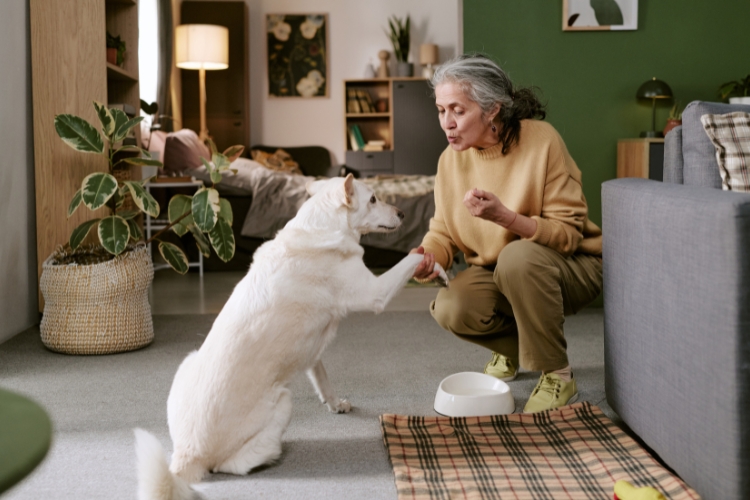
- Short daily walks
- Slow outdoor exploration
- Gentle games
- Controlled movement activities
Avoid forcing activities that cause discomfort or exhaustion.
For senior cats, consider:
- Interactive toys
- Short play sessions
- Treat puzzles
- Low-height climbing options
Small amounts of activity throughout the day can help maintain muscle strength and mental stimulation.
Create a Comfortable Home Environment
Your home plays an important role in your senior pet’s comfort.
Older pets may struggle with slippery floors, high furniture, or areas with difficult access. Simple adjustments can make daily life easier.
Helpful changes include:
- Adding supportive bedding
- Using non-slip floor mats
- Keeping food and water easily accessible
- Providing warm resting areas
- Installing ramps when needed
For cats, consider litter boxes with lower sides. This helps pets with stiffness or reduced mobility.
A comfortable environment allows your pet to move confidently and safely.
Maintain a Healthy Weight Through Proper Nutrition
Weight management becomes increasingly important as pets age. Extra weight can place additional stress on joints and reduce mobility.
A balanced diet supports:
- Healthy body weight
- Muscle maintenance
- Energy levels
- Overall wellness
Senior pets may need dietary adjustments based on their health conditions and activity levels.
Your veterinarian can recommend nutrition options that support your pet’s changing requirements.
Regular weight checks also help identify gradual changes before they become bigger concerns.
Recognize Signs of Pain or Mobility Challenges
Pets often hide discomfort. Many owners notice problems only after changes become more noticeable.
Possible signs of pain include:
- Difficulty standing up
- Avoiding stairs
- Reduced activity
- Limping
- Hesitation before jumping
- Changes in behavior
- Sleeping more than usual
Joint discomfort, dental problems, and other medical conditions can affect your pet’s daily life.
A veterinary examination can help determine the cause of these changes. Early support can improve comfort and help your pet stay engaged with family activities.
Keep Your Senior Pet Mentally Stimulated
Physical activity is only one part of healthy aging. Mental stimulation also supports your pet’s overall well-being.
Senior pets benefit from activities that encourage curiosity and engagement.
You can provide enrichment through:
- Puzzle feeders
- Gentle training exercises
- Interactive toys
- New walking routes
- Scent-based games
Mental activities help prevent boredom. They also strengthen the relationship between pets and their owners.
Cats especially enjoy activities that encourage natural behaviors like exploring and problem-solving.
Schedule Regular Health Monitoring for Older Pets
Senior pets may develop health changes that are difficult to detect at home.
Regular veterinary examinations help monitor important areas, including:
- Weight changes
- Dental health
- Joint function
- Organ health
- Mobility concerns
Blood testing and diagnostic evaluations may also help identify hidden problems.
Consistent monitoring is an important part of keeping older pets comfortable and maintaining their long-term wellness.
How Parker Animal Care Supports Senior Dogs and Cats in Austin
Every senior pet deserves compassionate attention and thoughtful medical support. Their needs may change over time, but proper care can help them continue enjoying life.
Parker Animal Care works with pet owners in Austin to support aging dogs and cats through preventive services and ongoing wellness recommendations.
The veterinary team understands that senior pets are family members. Each visit focuses on evaluating your pet’s health, identifying concerns, and helping create a care approach that supports their comfort.
With the right guidance, older pets can continue enjoying walks, playtime, companionship, and everyday moments with their families.
Give Your Aging Pet the Support They Deserve
Your senior dog or cat has spent years providing companionship, loyalty, and unconditional love. Supporting their health is one of the greatest ways to care for them.
With proper nutrition, regular activity, preventive monitoring, and professional guidance, aging pets can continue enjoying a comfortable lifestyle.
Parker Animal Care provides compassionate senior pet care for dogs and cats in Austin. Schedule an appointment today to help your beloved companion stay active, comfortable, and healthy through every stage of life.
Frequently Asked Questions
- How can I help my senior dog stay active?
Senior dogs benefit from gentle, consistent exercise. Short walks, controlled play, and regular movement can support mobility and muscle strength.
The activity level should always match your dog’s health and comfort.
- What are common health problems in older dogs and cats?
Senior pets may experience joint issues, dental concerns, weight changes, vision problems, or chronic health conditions.
Regular veterinary visits help identify changes early.
- How often should a senior pet visit the veterinarian?
Older pets may need more frequent wellness examinations than younger animals.
Your veterinarian can recommend a schedule based on your pet’s age, breed, and health history.
- How do I know if my senior pet is experiencing pain?
Signs may include reduced activity, difficulty moving, changes in behavior, and avoiding normal activities.
A veterinary evaluation can help determine whether your pet needs additional support.
- Can senior cats still play and exercise?
Yes. Many older cats enjoy play and enrichment activities.
Short, gentle sessions with appropriate toys can help keep them active.
- Should I change my senior pet’s food?
Some older pets benefit from dietary adjustments.
Your veterinarian can recommend nutrition changes based on weight, health conditions, and lifestyle.
- What can I do to improve my senior pet’s comfort at home?
Provide supportive bedding, maintain a safe environment, encourage gentle activity, and schedule routine veterinary visits.
Small changes can make a meaningful difference in your pet’s daily comfort.