2239 S. Lamar Blvd. Austin, TX 78704


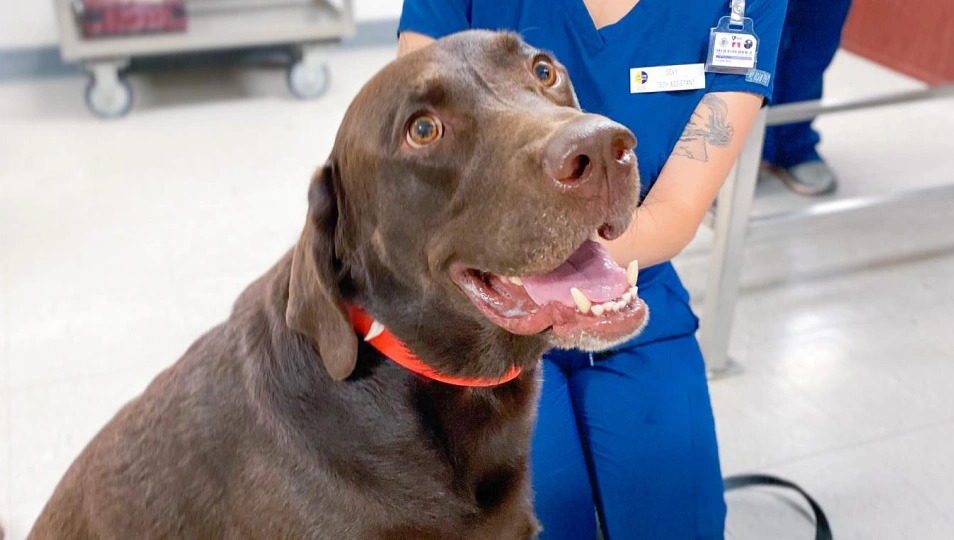
As pets grow older, their needs change. Just like humans, aging in pets brings about physical, behavioral, and health-related changes that can impact their overall quality of life. Recognizing these early signs can help you provide the appropriate care, maintain comfort, and detect health issues before they become serious. Whether you have a dog or a cat, being aware of the subtle shifts in behavior and appearance can make a significant difference in their senior years.
When Is a Pet Considered a Senior?
The age at which a pet is considered “senior” varies depending on species and breed. Generally:
- Dogs are considered seniors around age 7, though large breeds may show signs as early as 5-6 years.
- Cats typically enter their senior stage at around age 7-10.
It’s important to understand that aging is a gradual process. Not all pets show signs at the same time, and the rate of aging can differ widely.
Common Signs of Aging in Pets
1. Reduced Activity and Energy
One of the earliest signs of aging is a noticeable decrease in energy levels. Older pets may be less playful, sleep more, or seem reluctant to go for walks or climb stairs. While some decrease in activity is normal, it can also indicate underlying issues such as arthritis or heart disease.
2. Changes in Appetite or Weight
Senior pets might eat less due to a reduced sense of smell or taste. On the other hand, some may gain weight because of decreased exercise or metabolic changes. If you experience sudden weight gain or loss, it’s really important to talk to a veterinarian about it.
- Stiffness or Difficulty Moving
Arthritis and joint problems are common in aging pets. You may notice your pet limping, having trouble standing up, or being hesitant to jump or run. Early intervention, such as supplements or therapeutic care, can help manage discomfort.
4. Changes in Behavior or Personality
Older pets may become more anxious, disoriented, or irritable. Signs of cognitive decline include:
- Pacing or wandering aimlessly
- Increased vocalization
- Forgetting familiar routines
- Accidents in the house
These symptoms may be part of Canine Cognitive Dysfunction (CCD) or Feline Cognitive Dysfunction, which are similar to dementia in humans.
5. Dental Problems
Bad breath, difficulty chewing, or drooling can indicate dental disease, which is common in older pets. Left untreated, dental issues can lead to infections and affect overall health.
6. Vision and Hearing Loss
Cloudy eyes, running into objects, or not following commands might indicate that someone’s vision or hearing is getting worse. While these changes are often age-related, they should still be assessed by a veterinarian to rule out treatable conditions like cataracts or ear infections.
7. Skin and Coat Changes
A dull coat, thinning fur, or dry, flaky skin may indicate aging or nutritional deficiencies. Older pets may also develop lumps or bumps that require veterinary attention.
Why Early Recognition Matters
Early detection of age-related changes allows for:
- Timely medical intervention: Address health problems before they worsen.
- Lifestyle adjustments: Adapt your home to accommodate your pet’s reduced mobility or sensory loss.
- Preventive care: More frequent vet visits can help catch problems early and improve longevity.
Veterinarians often recommend biannual checkups for senior pets to monitor for chronic conditions such as kidney disease, diabetes, or heart disease.
Supporting Your Aging Pet
Recognizing signs of aging is only the first step. Here are some ways to support your senior pet:
- Adjust their diet: Switch to age-appropriate food that meets their nutritional needs.
- Provide gentle exercise: Short walks and interactive play help maintain joint and mental health.
- Create a comfortable environment: Soft bedding, easy-access food and water, and safe flooring reduce strain.
- Consider supplements or therapies: Omega-3 fatty acids, glucosamine, acupuncture, and laser therapy can help manage pain and inflammation.
Understanding the signs of aging in pets helps you stay proactive about their well-being. With the right care, regular veterinary monitoring, and small changes at home, you can ensure your pet ages with dignity, comfort, and happiness. Keep your eyes peeled, react to changes promptly, and treasure those precious moments you spend with your furry friend.