2239 S. Lamar Blvd. Austin, TX 78704


As our pets grow older, their needs evolve—just like ours. Senior pets, whether dogs or cats, require more than just love and a cozy bed. They need specialized veterinary care to maintain a high quality of life in their golden years. Unfortunately, many pet owners overlook the importance of routine vet visits for aging pets. This can lead to undiagnosed health problems and reduced comfort in their later years.
Understanding why special care is crucial for senior pets can help you become a more proactive and responsible pet parent. Let’s explore the reasons behind this growing concern and what you can do to ensure your aging furry friend stays healthy, happy, and comfortable.
What Is Considered a Senior Pet?
The definition of a “senior” pet varies depending on species, breed, and size. Generally:
-
Cats are considered seniors at around 10 years old.
-
Small dogs enter their senior years at 7-10 years.
-
Large and giant breed dogs may be classified as seniors as early as 5-6 years old.
These age brackets reflect more than just physical aging—they indicate internal changes that require attention.
Why Senior Pets Need Special Vet Care
1. Age-Related Health Issues Appear Subtly
As pets age, they are more likely to develop chronic conditions. However, these conditions don’t always present obvious symptoms in the early stages. Arthritis, kidney disease, dental disease, heart issues, and even cancer can creep in silently.
Special vet care includes screenings and diagnostics tailored to detect early signs of age-related illness. Blood tests, urinalysis, X-rays, and ultrasounds help catch problems before they escalate.
2. Routine Checkups Become More Critical
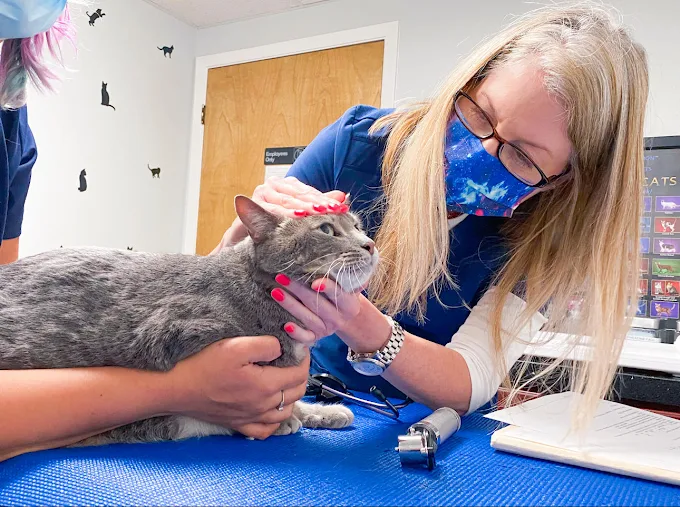
Unlike younger pets that may only need annual vet visits, senior pets benefit from bi-annual exams. These frequent checkups allow vets to monitor ongoing health conditions and adjust treatments as needed.
Moreover, with the help of regular evaluations, veterinarians can identify trends in weight changes, appetite, and behavior that may indicate underlying problems.
3. Pain Management Needs Increase
Joint pain and mobility issues are common in older pets. While younger animals may bounce back quickly from minor injuries, senior pets often struggle with chronic discomfort due to arthritis or other degenerative conditions.
Veterinarians trained in geriatric care can recommend pain relief strategies tailored to your pet’s condition. This may include prescription medication, supplements, physical therapy, or weight management.
4. Dental Health Affects Overall Health
Dental problems can become severe as pets age. Untreated dental disease can lead to tooth loss, infections, and even heart or kidney issues due to bacteria spreading from the mouth to other organs.
Senior vet care includes thorough dental examinations and cleanings. Your vet may also suggest changes to your pet’s diet or daily dental hygiene routine to reduce tartar buildup and gum disease.
5. Nutritional Needs Change
Senior pets have different dietary requirements. Some may need low-calorie diets to prevent obesity, while others may require high-protein foods to maintain muscle mass. Pets with kidney or liver disease often need prescription diets to manage symptoms.
Special vet care involves assessing your pet’s nutritional needs and recommending appropriate diet plans. Vets can also advise on supplements for joint health, cognitive support, or immunity boosting.
6. Behavioral Changes Require Attention
Many older pets begin to show behavioral changes—some subtle, some drastic. You might notice increased anxiety, disorientation, confusion, or even aggression. These behaviors could be signs of cognitive decline or pain.
A specialized vet can evaluate these changes and determine whether they stem from physical discomfort, neurological issues, or even early signs of dementia. Treatment or lifestyle changes can then be implemented to improve quality of life.
How You Can Support Your Senior Pet
In addition to regular vet visits, you can support your senior pet by making your home more comfortable and adjusting routines. Consider:
-
Providing orthopedic bedding
-
Installing ramps for easier mobility
-
Offering shorter, more frequent walks
-
Ensuring easy access to food and water
-
Maintaining a consistent daily schedule
Staying observant and responsive to your pet’s needs is key. The earlier you notice changes, the sooner your vet can help.
In the end, senior pets deserve the same level of attention and care we give them in their youth—if not more. They rely on us to advocate for their well-being, especially when they can’t voice their discomfort.
If you’re looking for expert senior pet care in Austin, TX, make sure to choose a veterinary clinic experienced in geriatric care. A trusted vet can help your pet age gracefully, detect health issues early, and offer customized care that keeps tails wagging and purrs going strong for years to come.