2239 S. Lamar Blvd. Austin, TX 78704


Taking your pet to the vet for the first time can be an exciting but overwhelming experience for both you and your furry friend. Whether you’ve just adopted a puppy or kitten, or you’re bringing in an older pet for their first checkup at a new clinic, it’s natural to have questions. At Parker Animal Care, we understand that your pet’s first vet visit is an important step in ensuring their lifelong health.
In Austin, TX, where pet care is a priority, your first visit to the vet sets the foundation for a long and healthy relationship with your pet’s healthcare provider. So, what should you expect during your pet’s first visit? Here’s a guide to help prepare you for the experience and ensure a smooth, stress-free appointment for both you and your pet.
1. Making the Appointment
Before you even set foot in the clinic, it’s essential to make an appointment. When scheduling, be sure to mention that it will be your pet’s first visit. This helps the staff prepare for the appointment and allocate enough time to give your pet the attention they need. You will likely be asked for some basic information about your pet, such as their age, breed, vaccination status, and any previous medical history if applicable.
It’s also a great idea to ask the vet about what you should bring with you, such as medical records, any medications your pet is taking, or details about their diet and routine.
2. Arrival at the Clinic
When you arrive at the clinic, you’ll check in with the front desk staff. Make sure to provide all the requested details about your pet, including their name, age, breed, and medical history. If your pet has any allergies, health conditions, or behavioral issues, be sure to inform the staff right away so they can make accommodations.
The clinic may ask you to complete a brief health questionnaire or sign consent forms. The staff will also take note of any concerns you may have about your pet’s health, which they will relay to the veterinarian.
3. Meet and Greet with the Veterinarian
Once you’ve checked in, it’s time for your pet’s initial exam. The veterinarian will come in and introduce themselves. They’ll likely start by asking a few questions about your pet’s health, behavior, diet, and lifestyle. This is a great time for you to mention any specific concerns you have about your pet’s health, such as changes in appetite, energy levels, or any symptoms you’ve noticed.
During this time, the veterinarian will take the opportunity to get to know your pet’s temperament, making it easier to create a comfortable and tailored approach for future visits.
4. Physical Examination
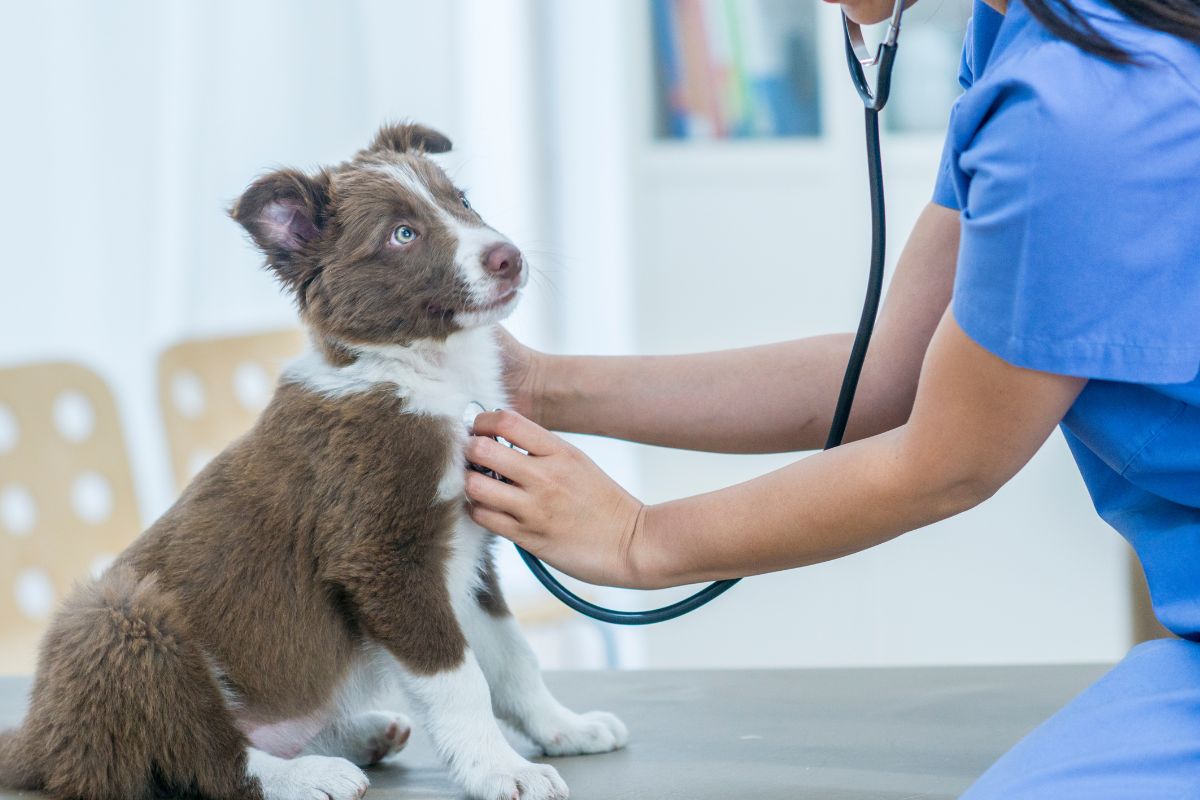
The first vet visit is typically a thorough physical exam to check your pet’s overall health. Expect the veterinarian to examine your pet from head to tail, including:
-
Eyes: Checking for clarity, redness, or any discharge.
-
Ears: Examining the ears for signs of infection, wax buildup, or parasites.
-
Mouth and Teeth: Looking for gum health, tartar buildup, and any signs of dental disease.
-
Coat and Skin: Checking for signs of fleas, ticks, skin conditions, or lumps.
-
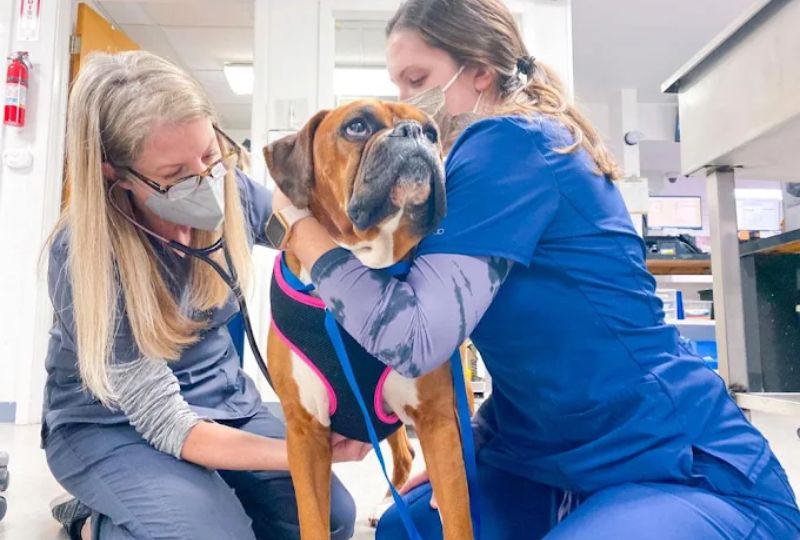
Heart and Lungs: Listening to your pet’s heart rate and lung sounds with a stethoscope to ensure there are no abnormal sounds.
-
Abdomen: Palpating the abdomen to check for any swelling or discomfort.
-
Limbs and Joints: Assessing mobility and checking for any pain or abnormalities in movement.
If your pet is a puppy or kitten, the veterinarian may also check their growth and development to ensure they are hitting appropriate milestones.
5. Vaccinations and Preventive Care
If your pet is a puppy or kitten, the veterinarian will likely recommend vaccinations based on their age and vaccination schedule. For adult pets, your vet may check if any booster shots are due.
In addition to vaccinations, preventative care is an important aspect of the first visit. This includes discussions about:
-
Flea, tick, and heartworm prevention: Your vet will recommend preventive treatments based on your pet’s risk factors and lifestyle.
-
Spaying or neutering: If your pet hasn’t already been spayed or neutered, this may be discussed as part of responsible pet ownership.
-
Dental care: Your vet will likely give you advice on how to maintain your pet’s dental health, such as brushing their teeth or using dental chews.
If your pet hasn’t been on a regular preventive care plan, this is a great time to establish one that suits their needs.
6. Blood Work and Other Tests
Depending on your pet’s age and health, the vet may recommend additional diagnostic tests. These could include blood work, fecal exams, or urine tests. For puppies and kittens, a fecal exam may be performed to check for intestinal parasites. Older pets may have blood tests to check their organ function and overall health.
These tests help identify any potential health issues that aren’t visible during the physical exam and can lead to early diagnosis and treatment.
7. Addressing Concerns and Creating a Health Plan
Throughout the visit, the veterinarian will discuss any health concerns you may have about your pet and provide advice on how to care for them at home. This is a great time to ask questions about diet, exercise, grooming, and behavior.
Your vet will also discuss a long-term health plan for your pet, including future vaccinations, preventive care, and when to schedule the next checkup.
Your pet’s first vet visit is an important step in building a healthy foundation for their future. By understanding what to expect and preparing for the visit, you can ensure that your pet’s experience is positive and stress-free. If you’re in Austin and looking for a veterinarian near you, schedule an appointment with Parker Animal Care today. Our team is dedicated to providing compassionate, comprehensive care to keep your pet healthy and happy.
FAQs
Q1. What should I bring to my pet’s first vet visit?
Ans. Bring any medical records, vaccination history, and details about your pet’s diet, medications, or any health concerns. This helps the veterinarian create a personalized care plan.
Q2. How often should my pet visit the vet?
Ans. Puppies and kittens should visit the vet every 3-4 weeks for their first few months for vaccinations and checkups. Adult dogs and cats should visit at least once a year, while senior pets may need more frequent visits.
Q3. Will my pet be nervous at their first vet visit?
Ans. It’s normal for pets to feel anxious during their first visit. To make the experience smoother, bring along their favorite toy or blanket to provide comfort.
Q4. How can I prepare my pet for their first vet visit?
Ans. Prepare your pet by getting them used to being handled in different areas of their body, such as their paws, ears, and mouth. This can help reduce anxiety during the exam.
Q5. What vaccinations will my puppy or kitten need?
Ans. Puppies and kittens typically need a series of vaccinations for diseases like parvovirus, distemper, and rabies. Your vet will provide a vaccination schedule based on your pet’s age and health.
Q6. What if my pet has health concerns during their first visit?
Ans. If your pet has any health issues, the vet will assess their condition and recommend diagnostic tests or treatments. Don’t hesitate to discuss any concerns you have during the visit.