2239 S. Lamar Blvd. Austin, TX 78704


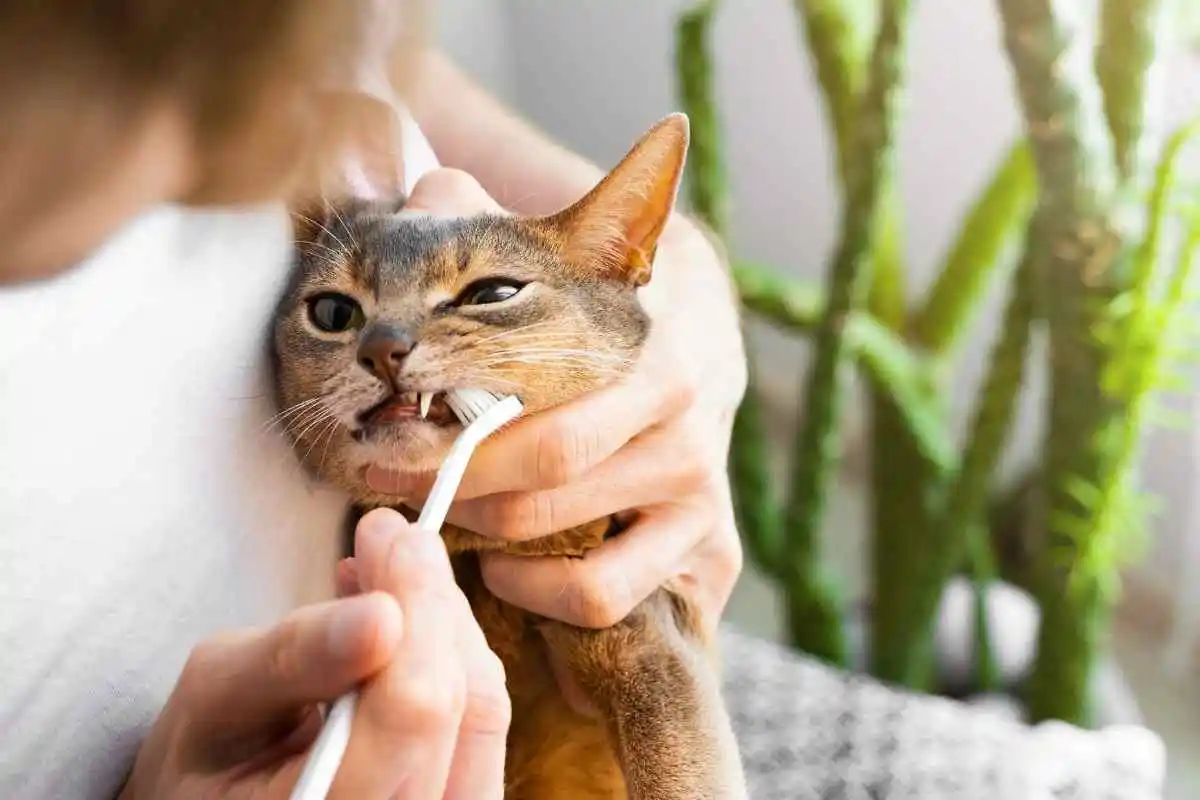
Taking care of your cat’s teeth is essential for their overall health and well-being. While it may not be the first thing that comes to mind when thinking of pet care, poor dental hygiene can lead to serious problems for cats, including gum disease, tooth loss, and infections. Fortunately, cleaning your cat’s teeth doesn’t have to be a difficult task. With the right approach, you can keep their mouth healthy and fresh.
In this blog post, we’ll explore the best ways to clean your cat’s teeth, ensuring they stay happy and healthy. From brushing techniques to alternative methods, we’ll guide you through the steps and share expert tips for successful cat dental care.
Why is Dental Care Important for Cats?
Before diving into the best ways to clean your cat’s teeth, it’s important to understand why it matters. Cats, like humans, are prone to developing plaque and tartar on their teeth. If left untreated, this can lead to gum disease, infections, and even tooth loss. According to the American Veterinary Dental College, nearly 70-80% of cats show signs of dental disease by the age of 3.
Regular dental care helps prevent these issues and can even improve your cat’s quality of life. Healthy teeth contribute to better digestion, reduce bad breath, and can even prevent more serious health problems, such as heart and kidney disease, which can arise from untreated infections in the mouth.
How Often Should You Clean Your Cat’s Teeth?
The frequency of brushing your cat’s teeth will depend on their individual needs. Ideally, you should aim to brush your cat’s teeth every day, but even a few times a week can make a significant difference. The more often you clean their teeth, the less plaque and tartar will accumulate, reducing the risk of dental issues.
If your cat is not accustomed to having their teeth brushed, don’t worry. Start slow and gradually increase the frequency as they get used to the process.
Step-by-Step Guide to Brushing Your Cat’s Teeth
Now that we know why dental care is essential, let’s look at the best way to clean your cat’s teeth. Here’s a step-by-step guide to brushing their teeth effectively:
1. Gather the Right Tools
Before you start brushing, it’s important to gather the appropriate tools. You will need:
-
A cat-specific toothbrush: These toothbrushes are designed to fit your cat’s mouth and are typically softer than regular human brushes.
-
Pet-safe toothpaste: Never use human toothpaste, as it contains ingredients that are harmful to cats. Look for a toothpaste designed specifically for pets, which is safe if swallowed.
-
Finger brushes: If your cat is especially sensitive to having a toothbrush in their mouth, consider using a finger brush that fits over your finger, making the brushing process more gentle.
2. Get Your Cat Comfortable
Cats can be sensitive to having their teeth brushed, so it’s important to make the experience as comfortable as possible. Start by gently massaging your cat’s face and mouth so they get used to the sensation. Speak softly to reassure them, and try to make the process enjoyable. If your cat is anxious, don’t force them. Instead, take a break and try again later.
3. Begin Slowly
Start by applying a small amount of pet-safe toothpaste to the toothbrush or finger brush. Gently lift your cat’s lip to expose their teeth. Begin by brushing the outer surfaces of the teeth in small, gentle circles. Avoid brushing too hard, as your cat’s gums can be sensitive.
Focus on the back teeth, where plaque tends to build up more quickly. Once your cat is comfortable with the brushing motion, you can gradually work your way around their mouth. Be patient and take your time—this isn’t something that should be rushed.
4. Reward Your Cat
After the brushing session, be sure to reward your cat with a treat or extra affection. Positive reinforcement will help them associate the process with something enjoyable, making it easier to incorporate into their routine.
5. Check for Any Issues
While brushing, take the time to check for any signs of dental problems, such as swollen gums, bad breath, or loose teeth. If you notice any of these symptoms, it’s important to consult your veterinarian, as these could be signs of gum disease or other issues.
Alternative Methods for Cat Dental Care
Brushing isn’t the only way to maintain your cat’s oral health. If brushing proves difficult or your cat isn’t fond of it, there are alternative methods that can help keep their teeth clean.
1. Dental Chews and Treats
Dental chews and treats can be an excellent way to supplement your cat’s dental care routine. These treats are designed to help reduce plaque and tartar buildup as your cat chews on them. Look for products that have been specifically designed for cats, as these will be safe and effective.
2. Dental Water Additives
Dental water additives can be mixed into your cat’s water bowl to help reduce bacteria and plaque buildup. These additives are typically safe and easy to use, providing a simple way to support your cat’s dental health without the need for brushing.
3. Professional Cleanings
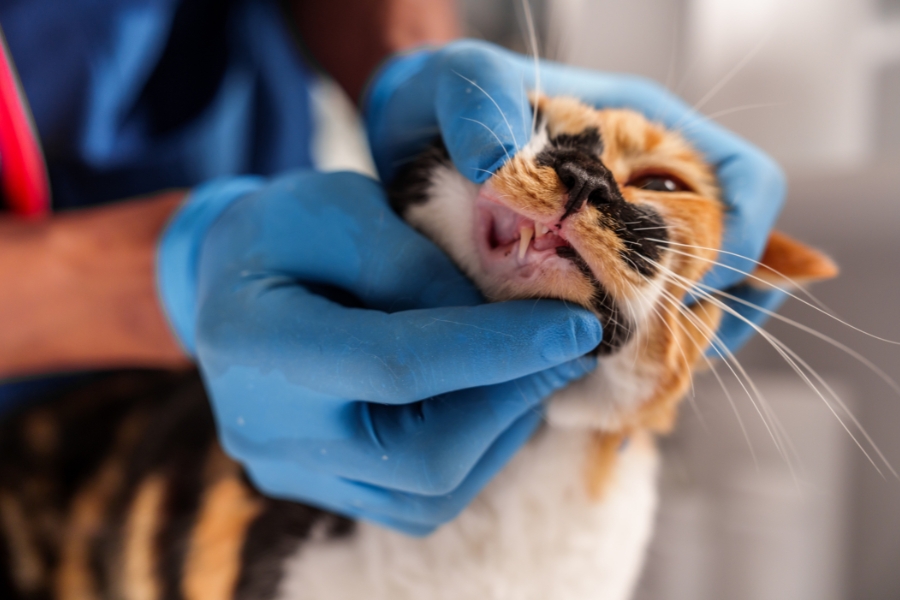
If your cat has significant tartar buildup or is suffering from gum disease, a professional cleaning by your veterinarian may be necessary. Professional cleanings are typically done under anesthesia and involve scaling and polishing the teeth to remove plaque and tartar. Your vet may also perform a dental exam to check for any underlying issues.
The Importance of Regular Vet Checkups
In addition to your at-home dental care efforts, regular vet checkups are crucial for your cat’s overall oral health. Your vet can perform a thorough dental exam, provide cleanings, and detect any early signs of dental disease before they become more serious. During your cat’s annual checkup, ask your vet about their dental health and any specific care recommendations they may have.
Maintaining your cat’s dental health is an important part of their overall care. By regularly brushing your cat’s teeth, providing dental treats, and scheduling regular vet checkups, you can ensure they have a healthy, pain-free mouth. If you’re concerned about your cat’s dental health or need assistance with cat dental care in Austin, TX, don’t hesitate to reach out to Parker Animal Care for expert guidance and support.
FAQs
Q1. How can I clean my cat’s teeth without brushing?
Ans. If your cat doesn’t tolerate brushing, consider using dental chews, water additives, or oral gels that help reduce plaque and tartar buildup. These alternatives can complement your cat’s dental hygiene routine.
Q2. How often should I brush my cat’s teeth?
Ans. Ideally, you should brush your cat’s teeth every day. However, brushing at least 2-3 times a week can still provide significant benefits in preventing dental problems.
Q3. Can dental disease cause other health issues in cats?
Ans. Yes, dental disease in cats can lead to more serious health problems, such as heart disease, kidney disease, and liver infections, as bacteria from the mouth can spread to other parts of the body.
Q4. What are the signs that my cat may have dental disease?
Ans. Signs of dental disease include bad breath, red or swollen gums, difficulty eating, drooling, and pawing at the mouth. If you notice any of these signs, consult your veterinarian.
Q5. Are there any foods that help with a cat’s dental health?
Ans. Some dry cat foods and specially formulated dental treats can help reduce plaque and tartar buildup. Consult your veterinarian for recommendations on the best food options for your cat’s dental health.
Q6. How does a vet clean a cat’s teeth?
Ans. A professional cleaning involves removing plaque and tartar under anesthesia using special tools. The vet may also perform a dental exam to check for infections or other issues that may require treatment.