2239 S. Lamar Blvd. Austin, TX 78704


As a dog owner, the idea of your furry friend undergoing surgery can be overwhelming. Whether it’s a routine spay or neuter, orthopedic surgery, or a more complex procedure, the recovery process is a crucial part of your dog’s healing journey. Understanding how long it takes for a dog to recover from surgery can help you prepare for the post-operative care your pet will need.
In this post, we’ll explore the typical recovery timeline for dogs following surgery, what to expect during their recovery process, and tips on how to help your dog recover quickly and comfortably.
Factors That Affect Your Dog’s Recovery Time
The recovery time after surgery varies depending on several factors. These include the type of surgery performed, your dog’s age, breed, and overall health, as well as how well they respond to post-operative care. For example, a spay or neuter procedure typically has a quicker recovery time compared to orthopedic surgeries, such as knee or hip replacements, which may require more time and rehabilitation.
Let’s break down the recovery process based on different types of surgeries:
1. Spay and Neuter Surgery
Spaying or neutering is one of the most common surgeries for dogs. These procedures are relatively minor compared to other surgeries and typically involve the removal of the reproductive organs. For most dogs, the recovery period for a spay or neuter surgery is relatively short, typically taking about 7-10 days.
During the first few days after surgery, your dog may experience mild discomfort, swelling, or bruising around the incision site. It’s important to keep them calm and prevent excessive movement to allow the incision to heal properly. Your veterinarian will likely recommend limiting physical activity, such as jumping or running, for at least a week. After that, you can slowly begin to reintroduce normal activities.
2. Orthopedic Surgery
Orthopedic surgeries, such as knee surgeries (e.g., cruciate ligament repair) or hip replacements, are more complex and typically require a longer recovery time. For these types of surgeries, it can take anywhere from 6 to 12 weeks for your dog to fully recover, depending on the procedure and your dog’s overall health.
During the recovery period, your dog will need a lot of rest, along with controlled and gradual reintroduction to physical activity. Depending on the surgery, your vet may recommend physical therapy to help strengthen muscles and improve mobility.
The first few weeks after orthopedic surgery will be focused on pain management and preventing any strain on the healing muscles or joints. After that, your dog will begin a rehabilitation phase, which might include limited walking and stretching exercises to restore their mobility.
3. Soft Tissue Surgery
Soft tissue surgeries, such as removal of tumors, hernia repairs, or abdominal surgeries, have a more varied recovery time. In general, recovery for soft tissue surgeries can take anywhere from 10 days to 4 weeks, depending on the complexity of the surgery and your dog’s healing rate.
During recovery, your dog may experience some discomfort, swelling, or redness around the incision site. Monitoring for any signs of infection, such as discharge or unusual odors, is essential. Your vet will provide specific instructions regarding pain medication, dietary restrictions, and when to schedule follow-up appointments to ensure proper healing.
4. Dental Surgery
Dental surgeries, including tooth extractions or oral surgery, are also fairly common for dogs. Dogs may need dental surgery if they have severe periodontal disease, tooth fractures, or oral tumors. The recovery time for dental surgeries is typically shorter compared to other types of surgeries and usually takes about 1-2 weeks.
During recovery, your dog may have some swelling or discomfort in the mouth area, and you may need to adjust their diet to softer foods during the healing process. It’s essential to follow your vet’s post-operative instructions regarding oral hygiene and pain management to avoid any complications.
General Recovery Process for Dogs After Surgery
No matter what type of surgery your dog has undergone, there are general recovery guidelines that apply to most cases. Here’s what to expect during your dog’s recovery process:
1. Pain Management
Pain management is a critical part of your dog’s recovery. Your veterinarian will likely prescribe pain medication to keep your dog comfortable and reduce inflammation. It’s essential to follow your vet’s instructions carefully, ensuring that you administer the correct dosage at the right times.
If you notice that your dog is still showing signs of pain, such as panting, whimpering, or restlessness, contact your veterinarian immediately.
2. Rest and Limited Activity
After surgery, your dog will need plenty of rest. It’s essential to restrict their physical activity for the first few days or weeks, depending on the type of surgery. For example, if your dog had orthopedic surgery, they may need to be kept in a confined space to limit their movement.
Using a crate or baby gates to limit their access to stairs or furniture will help prevent them from jumping or running during their recovery. Keep your dog on a leash for potty breaks, and avoid letting them run or play with other dogs until they are fully healed.
3. Wound Care
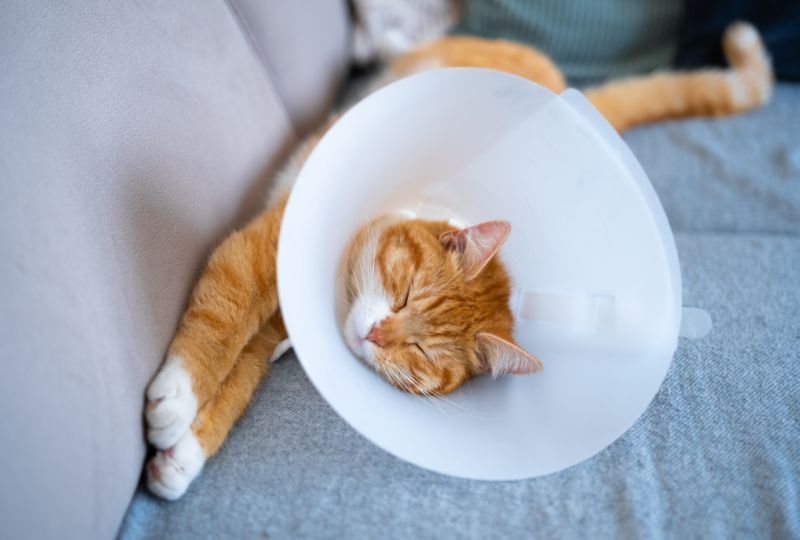
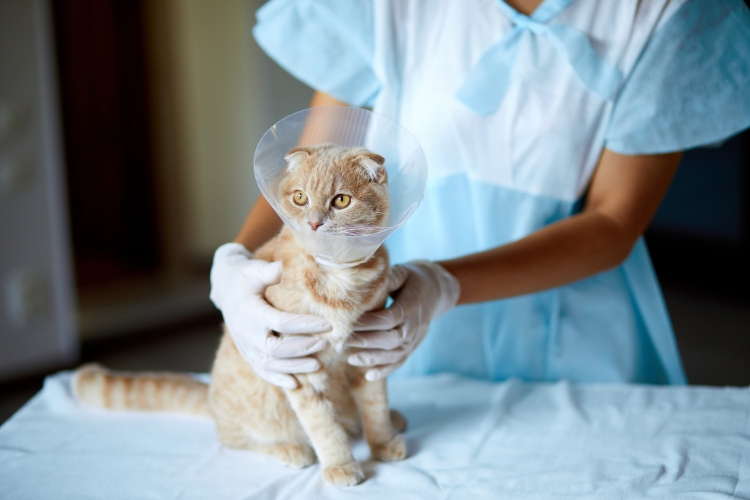
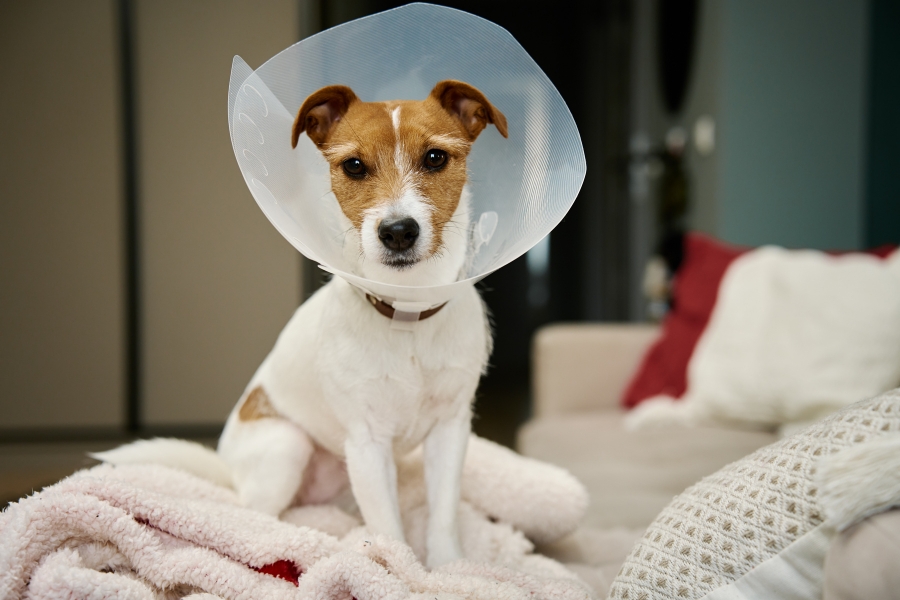
Monitor the incision site closely for any signs of infection, such as swelling, discharge, or redness. Keep the area clean and dry, and follow your vet’s instructions on how to care for the wound. If your dog is licking or chewing at the incision site, your vet may recommend using an Elizabethan collar (cone) to prevent this.
4. Follow-Up Appointments
Your veterinarian will likely schedule follow-up appointments to monitor your dog’s progress and remove any sutures if needed. These appointments are crucial to ensure your dog is healing as expected and to catch any potential issues early on.
The recovery time for a dog after surgery depends on several factors, including the type of surgery, your dog’s age, and their overall health. Minor procedures like spay or neuter surgeries typically require a short recovery time of about 7-10 days, while orthopedic surgeries can take several weeks to months for full recovery. It’s essential to follow your vet’s post-surgical instructions, monitor your dog’s progress, and provide plenty of love and care during this time.
If you’re in need of expert dog surgery in Austin, TX, be sure to consult with your local veterinarian to ensure the best possible care and recovery plan for your furry friend.
FAQs
Q1. How long does it take for a dog to recover from spaying or neutering surgery?
Ans. Recovery from spay or neuter surgery typically takes 7-10 days. Your dog will need rest and limited activity during this period.
Q2. What should I do if my dog is still in pain after surgery?
Ans. If your dog shows signs of ongoing pain after surgery, contact your veterinarian immediately for further guidance and potential adjustments to their pain management plan.
Q3. How can I prevent my dog from licking their incision?
Ans. To prevent your dog from licking their incision, use an Elizabethan collar (cone) as recommended by your veterinarian, and monitor the wound for signs of infection.
Q4. When can my dog return to normal activities after surgery?
Ans. The timeline for returning to normal activities varies depending on the surgery. Minor surgeries may allow for normal activity after a week, while orthopedic surgeries may require 6-12 weeks of recovery.
Q5. How can I support my dog’s recovery at home?
Ans. Provide a comfortable, quiet space for your dog to rest, follow your vet’s post-operative instructions, and limit their physical activity. Regularly monitor the incision site and provide pain medication as prescribed.
Q6. How do I know if my dog is healing properly after surgery?
Ans. Signs of proper healing include a decrease in swelling, no discharge from the incision site, and your dog gradually resuming normal behavior. Any signs of infection or abnormal behavior should be addressed by your vet immediately.