2239 S. Lamar Blvd. Austin, TX 78704

How to Help Your Cat Recover After Surgery: Essential Care Tips for Pet Owners

Surgery can be a stressful experience for both cats and their owners, but with the right care, your cat can recover quickly and comfortably. Whether it’s a routine procedure like spaying or neutering, dental surgery, or something more complex, proper post-surgery care is crucial for a smooth recovery. By providing a safe environment, managing pain, and closely monitoring your cat’s health, you can help them heal efficiently and get back to their normal routine. This guide offers essential care tips to support your cat during their recovery, helping you navigate the process with confidence.
This blog will guide you through essential post-surgery care tips for your cat. From managing pain and monitoring healing to providing comfort and reducing stress, these tips will help you support your cat through their recovery. This blog is especially useful for residents of Austin, TX, offering localized advice and insights to help your pet during their healing process.
1. Create a Safe, Quiet Space for Recovery
Following surgery, it’s essential to provide your cat with a peaceful, comfortable environment that encourages rest and healing. After undergoing cat surgery, your feline companion will need a stress-free space to recover, and ensuring they feel safe and comfortable will help speed up their recovery process.
-
Choose a Calm, Quiet Area: Designate a quiet room away from other pets and noisy environments. High-traffic areas should be avoided, as this can cause unnecessary stress for your cat. A calm atmosphere will help your pet relax and focus on healing.
-
Comfortable Bedding for Relaxation: Your cat will need a soft, supportive bed where they can comfortably rest. Consider providing a heated pad or a soft blanket to make the recovery area feel cozier and more inviting. The bed should be easily accessible, especially if your cat has had abdominal or leg surgery, to avoid any unnecessary movement or discomfort.
-
Limit Unnecessary Movement: To ensure your cat doesn’t strain or disturb the surgical site, it’s important to limit their movement. If necessary, use a crate or a confined space with low furniture to prevent your cat from jumping or running. This will help avoid complications such as opening up stitches or adding pressure to the surgical area.
Creating this safe space is vital for your cat’s healing, especially after a significant surgery. By following these guidelines, you’ll provide a nurturing environment that helps your cat recover quickly and comfortably.
2. Monitor Your Cat’s Pain Levels
After surgery, your cat will likely experience some pain or discomfort. As a pet owner, it’s important to recognize signs of pain and manage it effectively to ensure your cat’s comfort and safety.
-
Pain Medications: Your veterinarian will prescribe pain medications to help manage your cat’s discomfort. It’s essential to follow the prescribed dosage and schedule to keep your cat comfortable. Never give your cat human pain medications, as some can be toxic to them.
-
Watch for Signs of Pain: Cats are skilled at hiding their pain, but there are signs you can look for. These may include lethargy, decreased appetite, panting, restlessness, or vocalizing more than usual. If your cat seems to be in severe pain, contact your vet for advice.
-
Monitor Surgical Site: Check the surgical site daily for any signs of infection, such as redness, swelling, or discharge. If you notice any of these symptoms, contact your vet immediately.
3. Manage Your Cat’s Diet During Recovery
Proper nutrition plays an important role in your cat’s recovery after surgery. A healthy, well-balanced diet will promote healing and boost their immune system.
-
Gradual Return to Regular Diet: Depending on the type of surgery, your cat may experience a reduced appetite in the first few days post-surgery. Start with smaller meals and gradually increase the amount as your cat’s appetite returns.
-
Hydration is Key: Ensure your cat has access to fresh water at all times. Dehydration can slow down the recovery process, so encourage your cat to drink by offering fresh water or even ice cubes as a treat.
-
Specialized Food: In some cases, your vet may recommend a specialized food for recovery, especially if your cat has undergone dental surgery or gastrointestinal procedures. Follow your vet’s advice on feeding your cat the right type of food.
4. Prevent Licking and Scratching the Surgical Site
One of the most common issues after surgery is your cat licking or scratching at their surgical site. This can lead to infection, delayed healing, or even the need for re-suturing. Preventing this behavior is key to a smooth recovery.
-
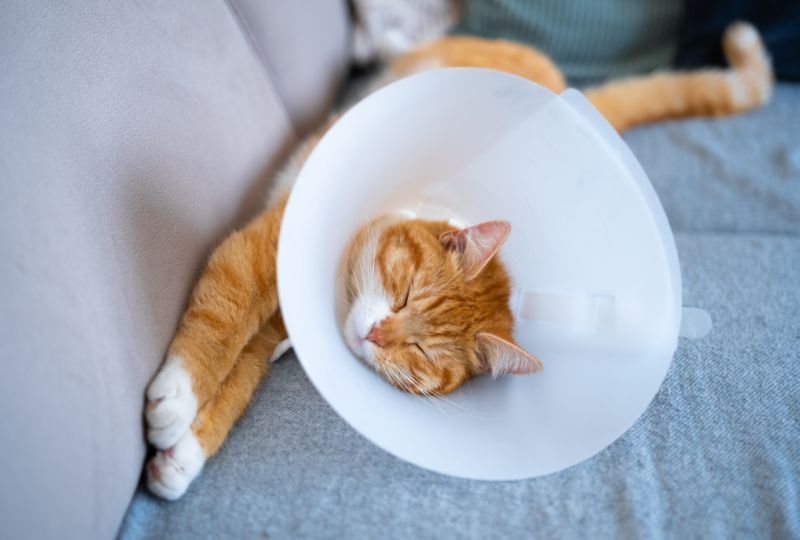
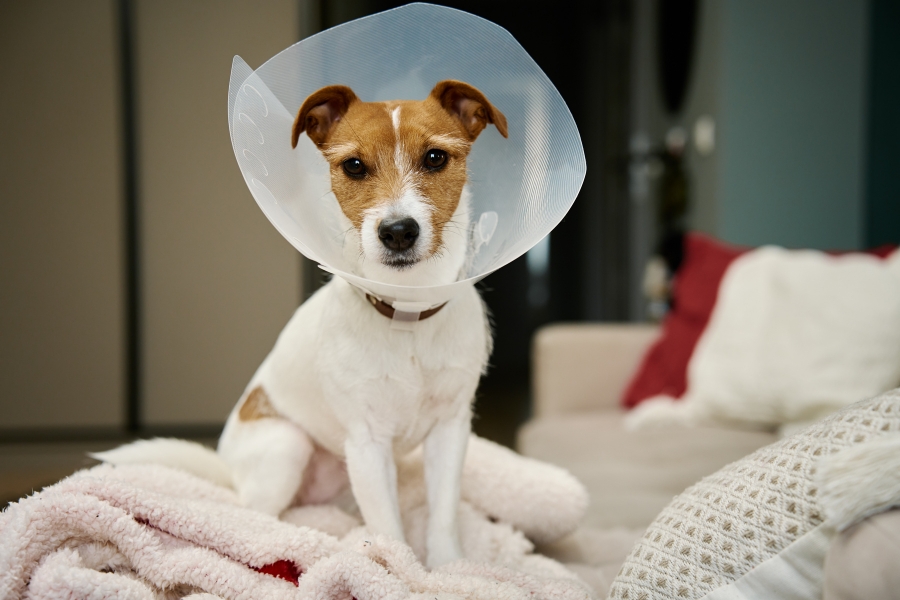
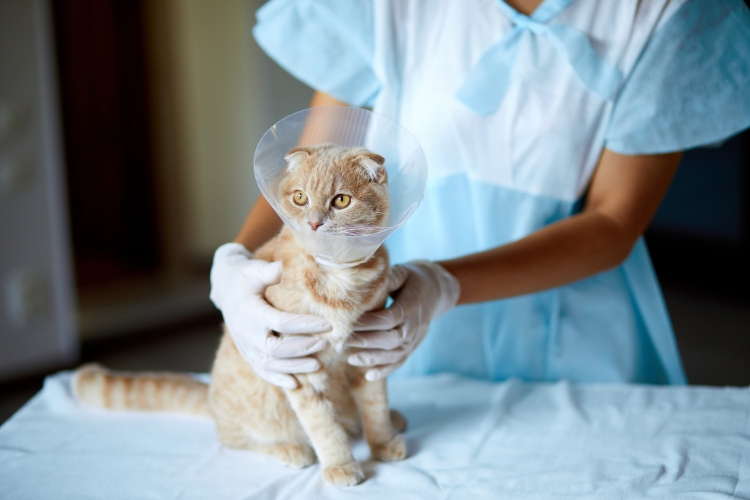
Elizabethan Collar (E-Collar): Your vet may recommend an E-collar to prevent your cat from licking or scratching the surgical site. While it may be uncomfortable for your cat initially, it’s crucial to keep the incision clean and free from contamination.
-
Alternative Collars: If your cat resists the traditional E-collar, there are softer, more comfortable alternatives, such as inflatable collars or fabric collars that still restrict access to the surgical site.
-
Monitor for Chewing or Biting: Even if your cat isn’t licking, they may try to chew or bite at the incision site. Keeping a close eye on your cat and preventing this behavior will help prevent complications.
5. Provide Plenty of Rest and Quiet Time
Cats are creatures of comfort, and during their recovery, they need plenty of rest. Encouraging your cat to rest is essential for proper healing.
-
Limit Exercise: During the first few weeks after surgery, limit your cat’s exercise and playtime. Avoid any rough play or activities that could cause injury to the surgical site.
-
Quiet Environment: Keep your home quiet and calm. Avoid loud noises or sudden movements that could stress your cat out or cause them to move too quickly.
-
Sleeping Time: Encourage your cat to sleep as much as possible. Sleep is essential for healing, so make sure they have a comfortable space to rest in peace.
6. Follow-Up Appointments and Care
After your cat has undergone surgery, it’s important to keep up with follow-up appointments to ensure everything is healing as it should. Your vet will guide you through the recovery process and monitor your cat’s progress.
-
Post-Surgery Checkups: Your vet will likely schedule a follow-up appointment to check the surgical site, remove stitches (if applicable), and ensure your cat is healing properly. Keep these appointments as recommended.
-
Continued Medication: If your cat was prescribed antibiotics or pain medications, be sure to follow through with the full course of treatment. Don’t stop the medication early, even if your cat seems to be feeling better.
-
Report Any Issues: If you notice any signs of complications, such as infection, excessive swelling, or difficulty walking, don’t hesitate to contact your vet immediately.
Caring for your cat after surgery is crucial to ensuring a smooth and successful recovery. By providing a quiet, comfortable environment, monitoring pain levels, managing their diet, and preventing licking or scratching of the surgical site, you can help your cat heal as quickly as possible.
If you’re in Austin and need guidance related to cat recovery after surgery, schedule an appointment with Parker Animal Care. Our veterinary team is here to help guide you through the recovery process and ensure your cat receives the best care during their healing journey.
FAQs
-
How long does it take for a cat to recover after surgery?
Recovery time depends on the type of surgery, but most cats begin to feel better within 7-10 days. Full recovery may take 2-4 weeks. -
What should I do if my cat won’t eat after surgery?
It’s common for cats to have a reduced appetite after surgery. Offer small, frequent meals and encourage hydration. If the problem persists, contact your vet. -
Can I let my cat play after surgery?
No, avoid vigorous play and exercise for at least 2 weeks after surgery to ensure proper healing. Gradually reintroduce activity once your cat is fully recovered. -
How can I tell if my cat’s surgical site is infected?
Watch for signs of swelling, redness, discharge, or a foul odor from the incision site. If you notice these symptoms, contact your vet immediately. -
What kind of food should I give my cat after surgery?
Follow your vet’s recommendations for post-surgery food. Typically, you’ll want to provide a bland, easy-to-digest food, especially in the first few days.