2239 S. Lamar Blvd. Austin, TX 78704


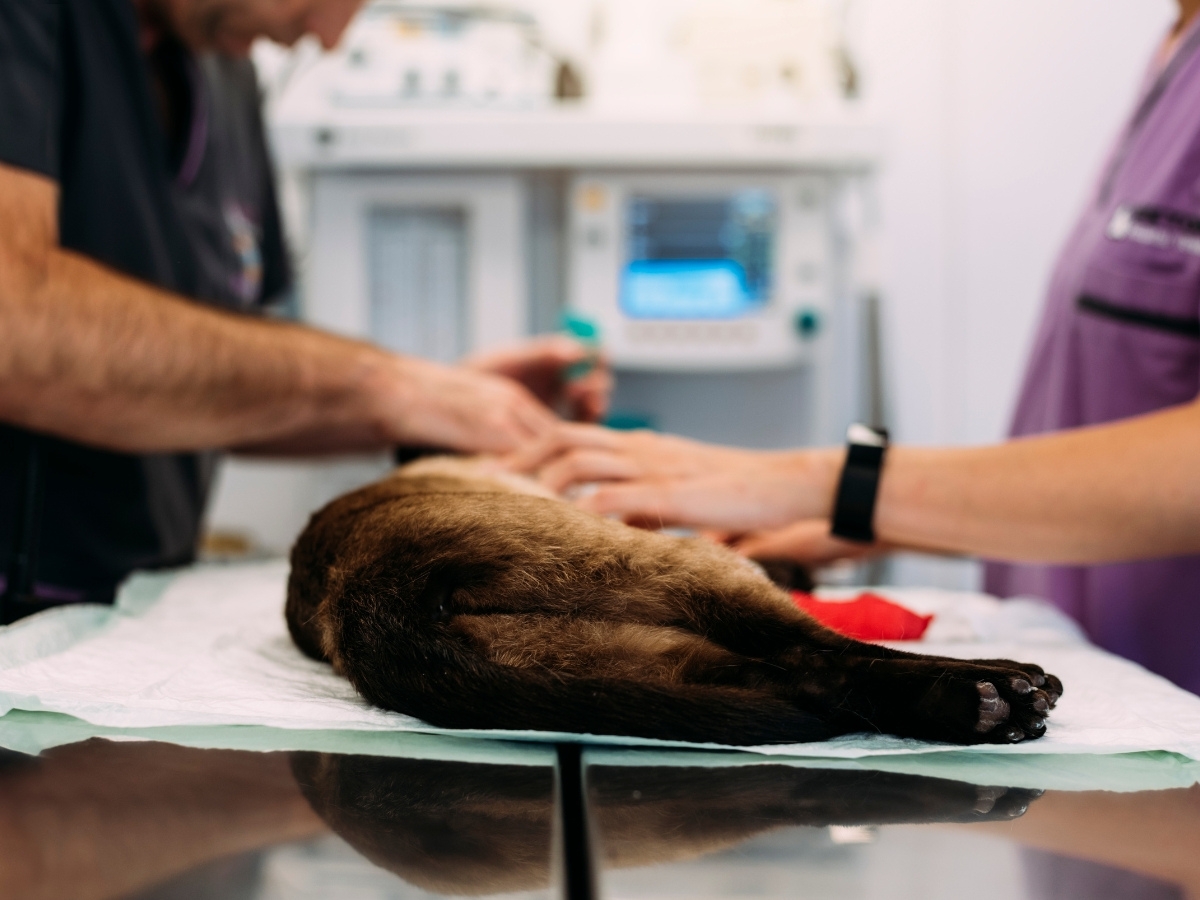
When your dog needs surgery, whether it’s for a routine procedure or something more complex, the idea of preparing them for the process can be daunting. As a pet owner, it’s natural to want the best for your furry friend, and ensuring that they are well-prepared for surgery is one of the most important steps. By taking proactive measures, you can help ease your pet’s anxiety and improve their recovery time. This guide will walk you through the preparation steps for a smooth surgery experience, from pre-surgery care to post-surgery recovery.
1. Understanding the Surgery and the Procedure
The first step in preparing your dog for surgery is understanding the procedure itself. Talk to your veterinarian at Parker Animal Care about the surgery your dog will undergo. Knowing the type of surgery, the risks involved, and the expected recovery timeline will help you prepare mentally and physically. This conversation is crucial to alleviate any concerns you may have and to ensure that your dog gets the best care before and after the surgery.
Additionally, ask your vet about the anesthesia that will be used. Your dog will likely need to fast before surgery to reduce the risk of complications with anesthesia. Typically, your vet will advise you to withhold food and water for a specific period before the surgery, but make sure to get clear instructions.
2. Preparing the Home for Post-Surgery Care
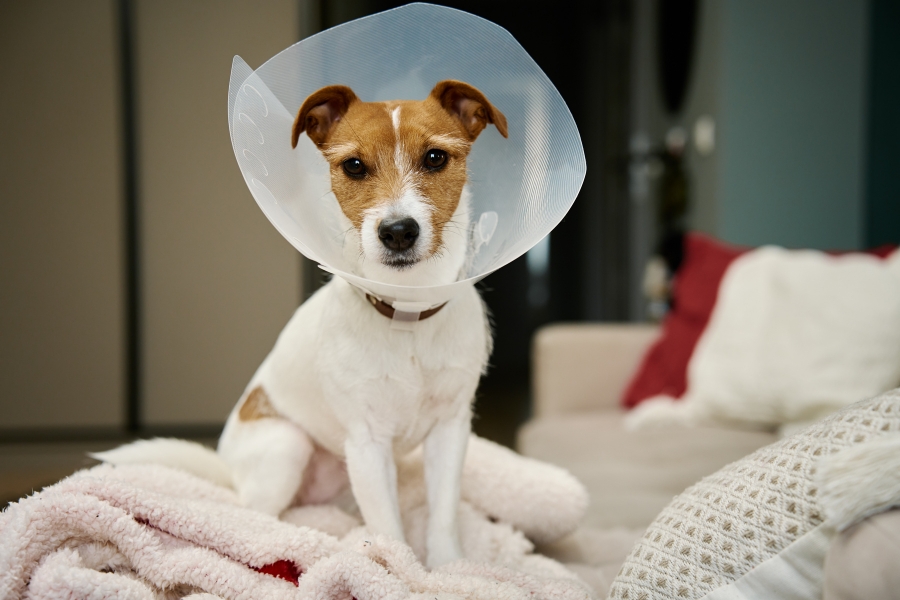
A significant part of preparing for surgery is ensuring your home is ready for your dog’s recovery. After the surgery, your dog may be groggy or unable to move around easily, so it’s essential to create a comfortable and quiet space for them. Consider setting up a recovery area with soft bedding, toys, and easy access to water and food.
If your dog is undergoing a procedure on their legs or paws, limit their movement to prevent any injury to the surgical site. Some owners choose to use baby gates or confined areas to limit their dog’s space during recovery.
3. Pre-Surgery Health Check-Up
Before the surgery, your vet will likely perform a health check-up on your dog to ensure they are in the best possible condition. This might include blood work, a physical exam, and possibly an X-ray to assess your dog’s overall health and ensure they’re ready for surgery.
If your dog has any chronic conditions such as heart disease, diabetes, or kidney problems, it’s especially important to have these conditions managed before surgery. Your vet will provide guidance on how to adjust their care plan leading up to the procedure.
4. Keep Your Dog Calm Before the Surgery
Surgery can be stressful for both pets and owners. To help calm your dog before the procedure, try to maintain a consistent routine. Avoid any dramatic changes in your dog’s environment or daily activities leading up to the surgery. Keeping things as normal as possible will help reduce anxiety.
You can also take steps to ensure that your dog stays calm the night before surgery. If you have a pet who is prone to anxiety, you might want to ask your vet about calming medications or natural calming remedies that could help.
5. Day of Surgery: What to Expect
On the day of the surgery, it’s important to stick to the fasting instructions provided by your veterinarian. Bring your dog to the vet’s office well in advance of the scheduled surgery time, and be sure to ask if there’s anything else you need to do before the procedure.
Once your dog is in the vet’s care, they will be prepared for anesthesia and monitored closely throughout the surgery. While you won’t be able to stay with your pet during the surgery, trust that your vet will provide the highest level of care and attention to your dog’s needs.
6. After Surgery: Post-Operative Care and Recovery
After surgery, your dog will need plenty of time and rest to heal properly. The post-surgery care varies depending on the procedure, but here are a few general steps you should follow:
-
Pain Management: Most dogs will experience some discomfort after surgery. Your vet will prescribe pain medications to help manage this. Be sure to follow the instructions carefully to ensure your dog is comfortable.
-
Limit Activity: After surgery, it’s important to limit your dog’s physical activity. This may mean keeping them on a leash even during potty breaks and preventing them from jumping or running.
-
Monitor for Complications: Keep a close eye on the surgical site for signs of infection, such as redness, swelling, or discharge. If you notice any unusual symptoms, contact your vet immediately.
-
Follow-Up Visits: Your vet will schedule follow-up visits to monitor your dog’s recovery progress. These visits are important to ensure that the healing process is going smoothly.
Preparing your dog for surgery involves both mental and physical preparation. From understanding the procedure to creating a peaceful recovery environment at home, these steps can make a big difference in how your dog handles the surgery and their recovery process. By taking the time to care for your dog before, during, and after the surgery, you help ensure that they heal properly and get back to their playful, healthy self.
Conveniently located in Austin, TX, if you are searching for dog surgery near you, then Parker Animal Care offers attentive surgical care focused on your dog’s comfort and safety. Our compassionate team specializes in guiding pet owners through every stage of the process, from preparation to recovery.
FAQs
Q1. What should I do to prepare my dog for surgery?
Preparing your dog for surgery involves understanding the procedure, fasting before the surgery, and setting up a quiet recovery area at home. It’s also important to have a pre-surgery health check-up with your vet.
Q2. How can I keep my dog calm before surgery?
Ans. Maintain a consistent routine, avoid major changes in your dog’s environment, and consider using calming medications or natural remedies as advised by your vet to reduce anxiety.
Q3. How long does it take for a dog to recover from surgery?
Ans. The recovery time depends on the type of surgery. Some dogs may take a few days to a week to recover, while others may need several weeks of rest and follow-up care.
Q4. What can I do to help my dog recover faster after surgery?
Ans. Follow your vet’s instructions for post-surgery care, including limiting activity, administering pain medications, and keeping the surgical site clean. Regular follow-up visits will help monitor your dog’s recovery.
Q5. When can my dog return to regular activity after surgery?
Ans. Your dog’s return to regular activity depends on the type of surgery and how well they heal. Typically, dogs should avoid strenuous activity for at least two weeks and gradually return to their normal routine as recommended by your vet.
Q6. How do I know if my dog’s surgery is healing properly?
Ans. Monitor the surgical site for any signs of infection, such as redness, swelling, or discharge. Keep an eye on your dog’s behavior and contact your vet if you notice any unusual symptoms during recovery.