2239 S. Lamar Blvd. Austin, TX 78704


Your pet is more than a companion. They are a beloved member of your family. When your furry friend shows signs of discomfort, it can be difficult to know what steps to take. Some health concerns may improve with medication or monitoring. Others may require immediate veterinary attention and surgical care.
Recognizing warning signs early can help protect your pet’s health and prevent complications. At Parker Animal Care in Austin, our veterinary team performs pet surgery customized to each pet’s individual needs. Their approach includes careful evaluations, safe procedures, and recovery guidance to support pets throughout their healing journey.
Understanding when surgery may be necessary helps pet owners make informed decisions. Recognizing the signs can help you seek care early, preventing the condition from worsening. To explore this topic further, read this blog to the end.
Signs Your Pet May Need Surgical Care
Persistent Pain or Sudden Discomfort
Pain is one of the most common signs that something may be wrong. Pets often hide discomfort until the problem becomes severe.
Watch for signs such as:
- Whining or unusual vocalizations
- Difficulty standing or walking
- Avoiding touch
- Restlessness
- Changes in sleeping habits
- Excessive licking near one area
Sudden pain may indicate injuries, internal problems, infections, or other conditions requiring veterinary evaluation. A veterinarian can determine whether surgery is the appropriate treatment option.
Difficulty Eating, Drinking, or Digesting Food
Changes in eating habits should never be ignored. A pet that suddenly refuses food may be experiencing pain or illness.
Some conditions that may require surgical attention include:
- Foreign objects blocking the digestive tract
- Intestinal issues
- Severe dental problems
- Abdominal conditions
If your pet cannot keep food down, has repeated vomiting, or shows signs of abdominal discomfort, schedule a veterinary examination quickly.
Lumps, Masses, or Abnormal Growths
Finding a lump on your pet can be frightening. However, not every growth is dangerous.
A veterinarian may recommend testing to understand the cause. Some masses require removal to prevent further health concerns.
At our veterinary practice, we provide procedures such as mass removal and other general surgical services when needed. Each case is evaluated carefully to determine the safest approach for the pet.
Difficulty Urinating or Changes in Bathroom Habits
Bathroom changes can indicate serious health concerns. Straining to urinate, frequent attempts, or blood in urine should receive prompt attention.
Some pets may need surgery for conditions affecting the urinary system. Early diagnosis can improve treatment options and recovery outcomes.
Injuries That Do Not Improve
Accidents can happen at any time. Falls, bites, fractures, and other injuries may require immediate evaluation.
Even if an injury appears minor, internal damage may not be visible. A veterinarian can assess the condition and recommend the right treatment plan.
Common Reasons Pets May Need Surgery
Surgery is recommended when it provides the best solution for improving your pet’s health. It may address injuries, diseases, or conditions affecting daily comfort.
Common procedures include:
Spay and Neuter Procedures
Spaying and neutering are common surgeries that provide important health benefits. These procedures can help prevent certain reproductive health concerns.
Veterinarians perform these procedures with careful monitoring and pain management. Proper aftercare helps pets recover comfortably.
Foreign Body Removal
Pets sometimes swallow objects they should not eat. Toys, fabric, bones, and other items can create dangerous blockages.
A foreign object obstruction may become life-threatening without treatment. Surgical removal can help restore normal digestive function.
Cystotomy Procedures
Some pets develop bladder stones that cause discomfort and urinary problems. A cystotomy procedure may be recommended to remove these stones.
Veterinary evaluation helps determine whether surgery is needed based on your pet’s condition.
Soft Tissue and Mass Removal
Soft tissue procedures can address different medical concerns. These may include removing abnormal growths or treating injuries.
The goal is always to improve your pet’s comfort while supporting long-term wellness.
How Veterinarians Determine If Surgery Is Necessary
Not every condition requires surgery. Veterinarians first evaluate your pet’s overall health and medical history.
The process may include:
- Physical examinations
- Diagnostic testing
- Blood work
- Imaging when needed
- Discussion of treatment options
These steps help create a clear plan based on your pet’s specific condition.
At Parker Animal Care, our surgical decisions focus on safety, comfort, and proper preparation. The team provides guidance before, during, and after procedures to help owners understand every step.
What Should You Expect Before and After Surgery?
Many pet owners feel nervous when their pet needs a procedure. Knowing what happens can make the experience easier.
Before surgery, your veterinarian may recommend:
- Health evaluations
- Pre-surgical testing
- Medication adjustments
- Procedure discussions
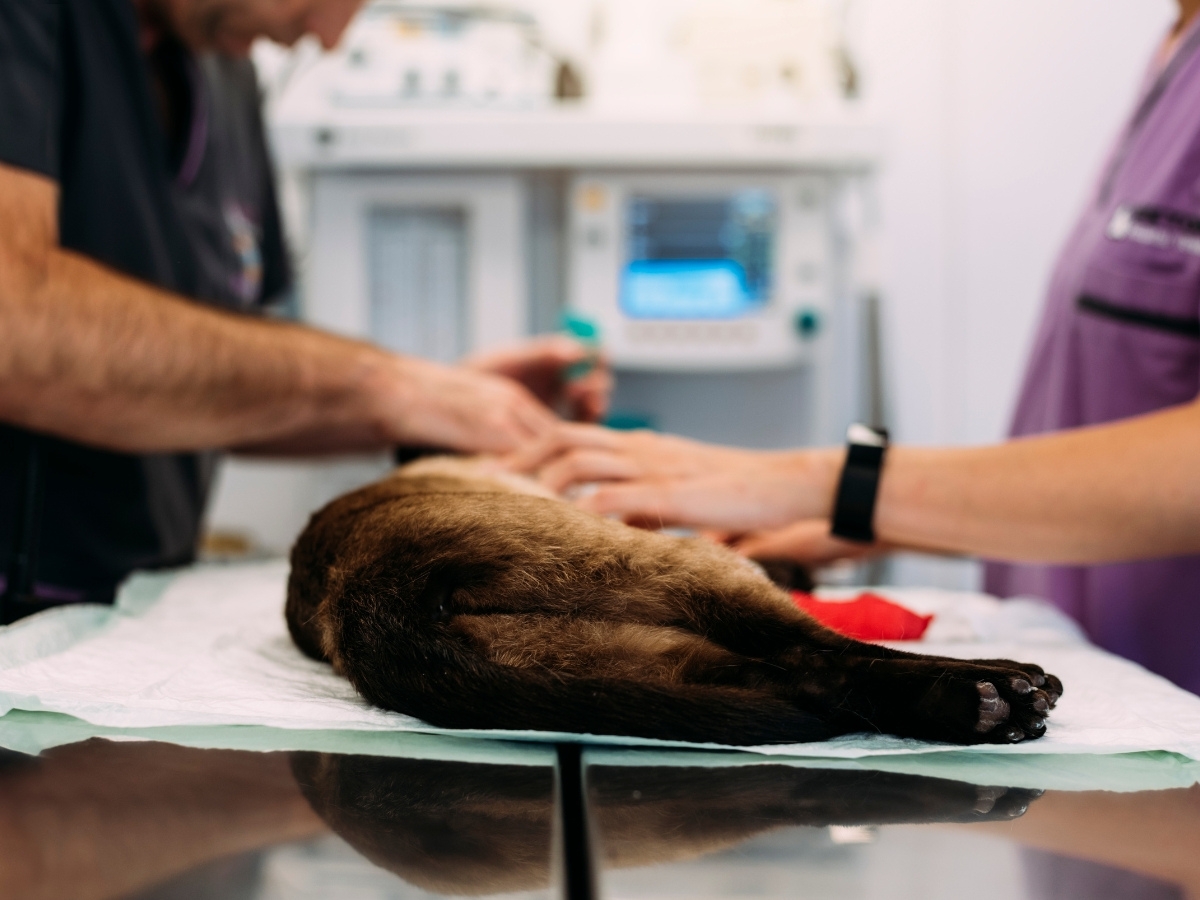
During surgery, pets receive careful monitoring and supportive care. After surgery, recovery instructions help owners provide proper care at home.
Recovery may include:
- Limiting physical activity
- Giving prescribed medications
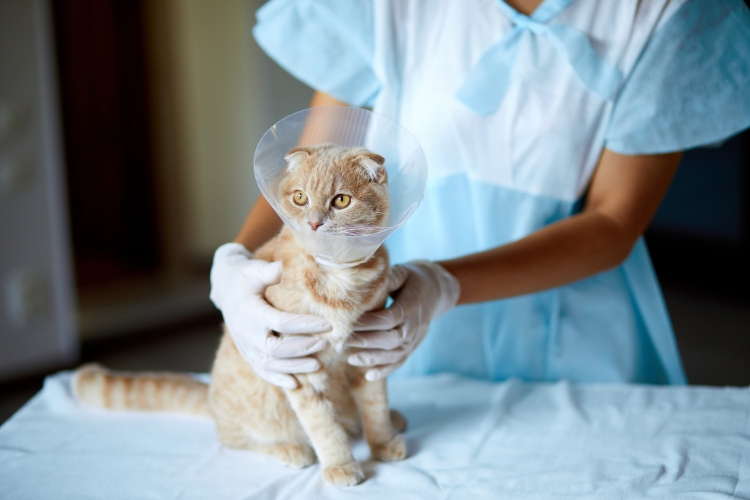
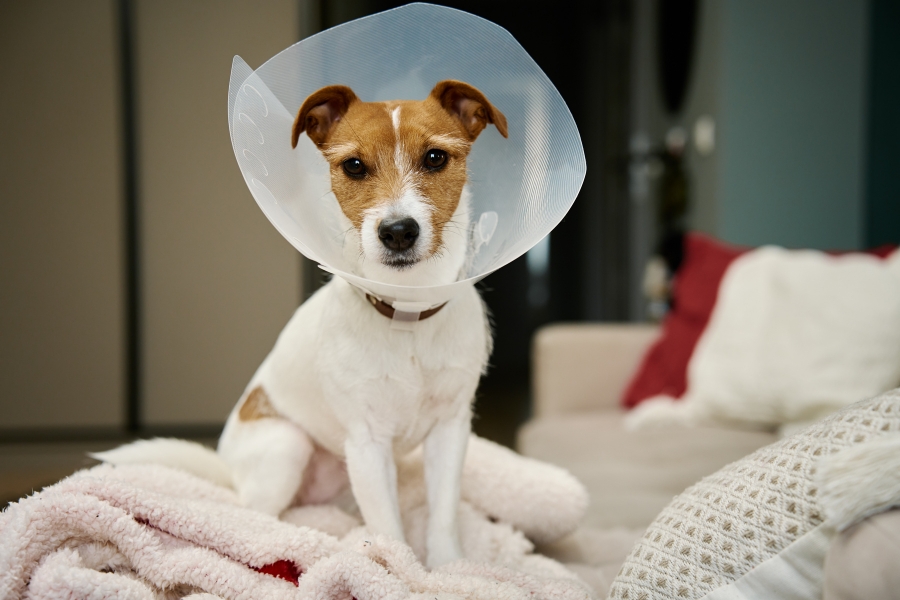
- Monitoring the surgical area
- Attending follow-up visits
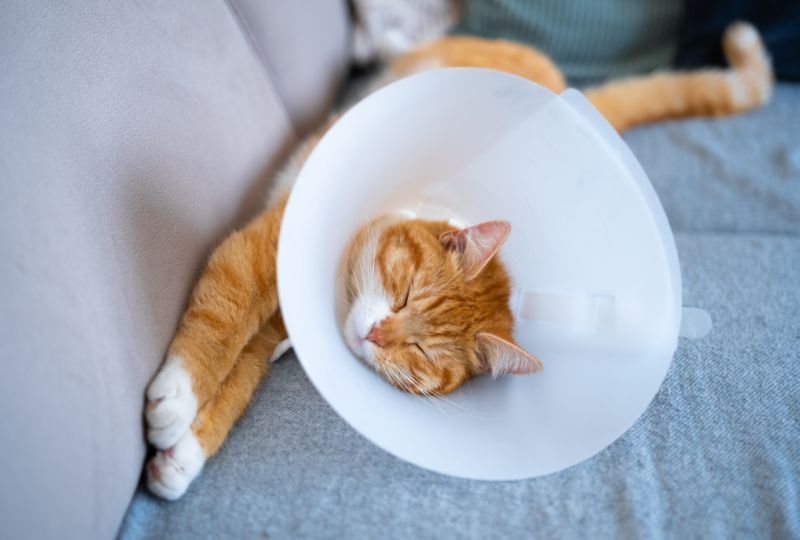
Following these instructions can support smoother healing.
Why Choosing the Right Veterinary Team Matters
Surgery can feel overwhelming for pet owners. A trusted veterinary team helps make the process less stressful.
Experienced veterinary professionals focus on accurate diagnosis, safe procedures, and compassionate handling. They also communicate clearly so owners understand their pet’s care plan.
When searching for pet surgery in Austin, choosing a clinic that combines medical knowledge with compassion can make a meaningful difference.
Our veterinary care supports Austin families with preventive care, diagnostics, urgent care, and surgical services. Their team focuses on providing personalized attention for every patient.
When Should You Contact a Veterinarian?
You should contact your veterinarian if your pet shows unusual behaviors or physical changes.
Seek veterinary attention when your pet experiences:
- Severe or ongoing pain
- Difficulty breathing
- Sudden weakness
- Repeated vomiting
- Loss of appetite
- Major injuries
- Signs of infection
Waiting too long can allow some conditions to become more difficult to treat. Early veterinary care helps identify problems sooner.
Help Your Pet Receive the Care They Need
Your pet depends on you to notice changes and take action. Recognizing early warning signs can protect their comfort and overall health.
If you are in Austin and find your pet showing symptoms that may require surgical attention, Parker Animal Care in Austin is here to help. Our compassionate veterinary team provides careful evaluations and surgical solutions focused on your pet’s well-being.
Schedule a consultation today to discuss your pet’s health needs and receive trusted care from a team that treats every patient like family.
Frequently Asked Questions
- How do I know if my pet needs surgery?
A veterinarian determines the need for surgery after examining your pet. Diagnostic tests and health evaluations help identify the best treatment option.
- Is surgery safe for pets?
Veterinary surgery is generally safe when performed with proper preparation and monitoring. Your veterinarian will evaluate your pet’s health before recommending a procedure.
- How long does a pet take to recover after surgery?
Recovery time depends on the procedure, age, and overall health. Your veterinarian will provide specific recovery instructions.
- Will my pet experience pain after surgery?
Veterinary teams use pain management methods to keep pets comfortable. Medication and monitoring support recovery after procedures.
- What happens if my pet does not get needed surgery?
Delaying necessary treatment may allow some conditions to worsen. Your veterinarian can explain the risks based on your pet’s diagnosis.
- How can I prepare my pet for surgery?
Follow your veterinarian’s instructions regarding food, medications, and activity restrictions. Preparing ahead helps support a smoother procedure.
- How do I schedule a surgical consultation for my pet?
You can contact us to discuss your pet’s condition and schedule an evaluation. Our team can guide you through the next steps.